
AMD Zen 6 X3D Rumors: Up to 288MB 3D V-Cache Could Dominate Gaming in 2026
Wednesday, December 24, 2025AMD Zen 6 X3D Rumors: Up to 288MB 3D V-Cache Could Dominate Gaming in 2026
AMD's next-generation Zen 6 architecture is sparking intense buzz in the gaming and hardware communities, with recent leaks suggesting groundbreaking leaps in 3D V-Cache technology. Industry sources indicate that Zen 6 X3D variants might boast up to 288MB of L3 cache in dual-CCD setups, positioning AMD to maintain its edge in gaming performance against Intel's forthcoming Nova Lake processors. As of late December 2025, these rumors are gaining traction across hardware forums and discussions.
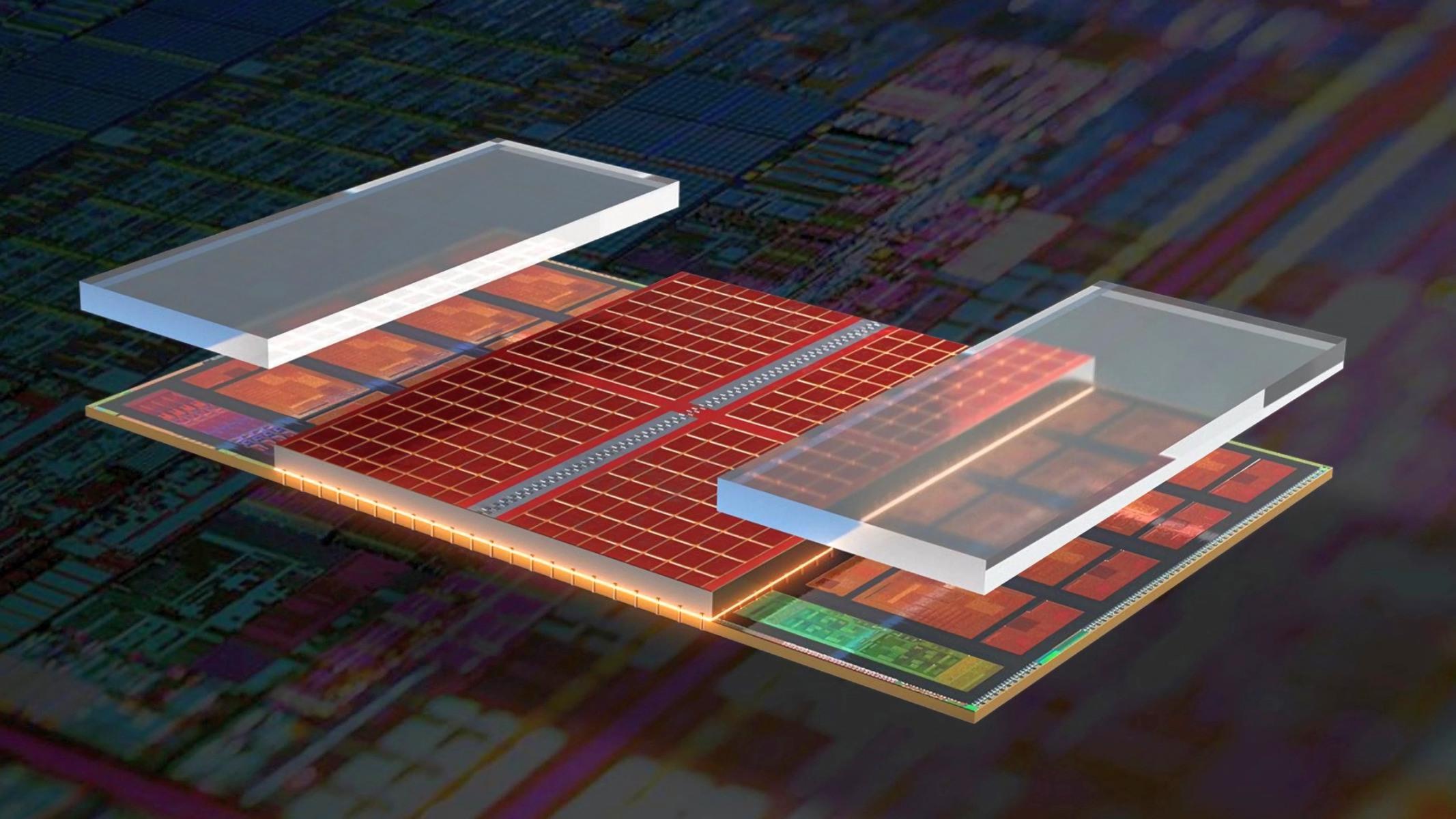
Conceptual render of potential Zen 6 3D V-Cache design.
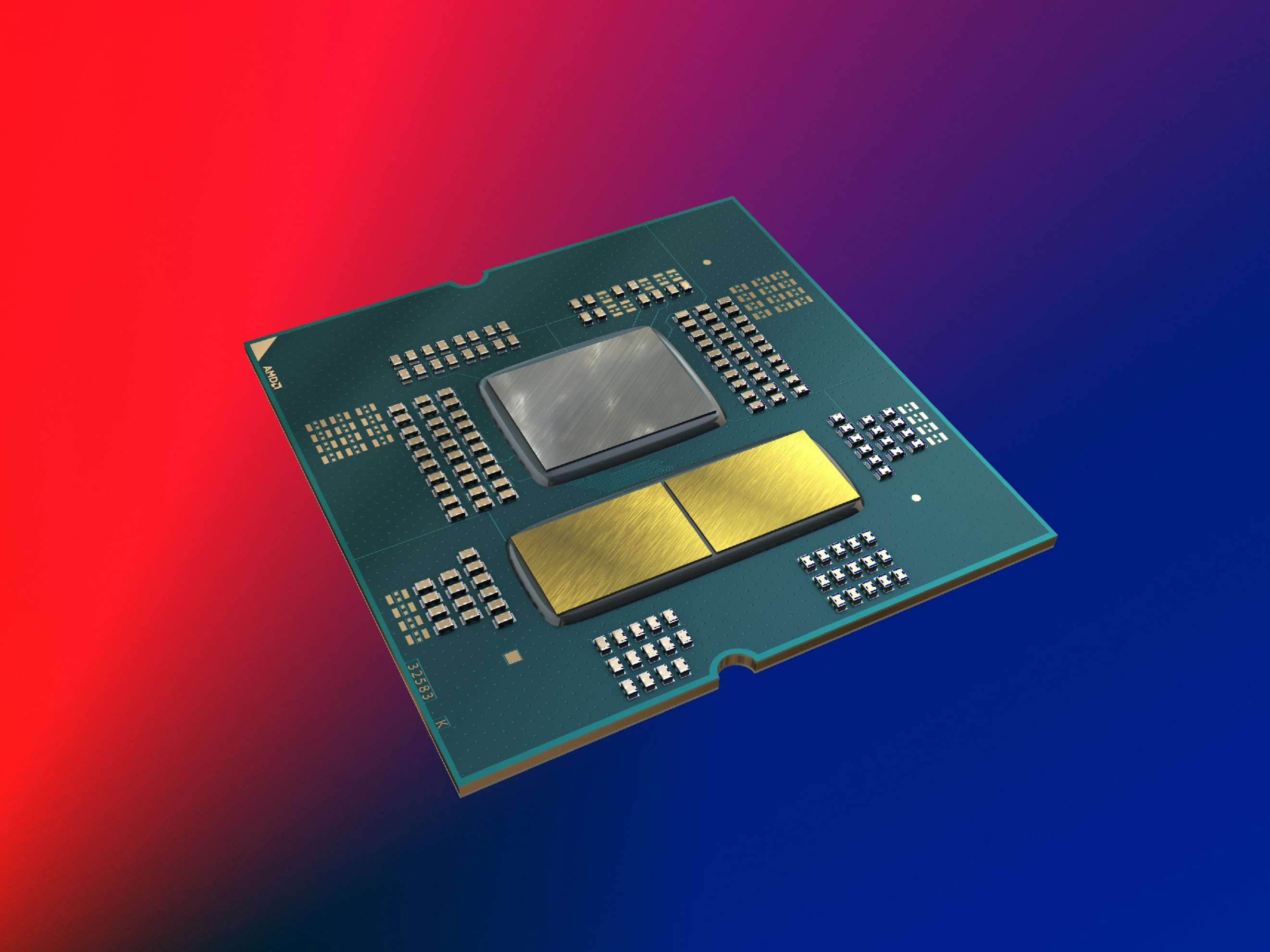
Speculated Zen 6 core and cache configurations
AMD's 3D V-Cache: A Proven Gaming Powerhouse
Introduced with the Ryzen 7 5800X3D in 2022, AMD's 3D V-Cache stacks additional L3 cache vertically on the CPU die, slashing latency in cache-heavy workloads like gaming. Current Zen 5 X3D models offer up to 96MB total L3 per CCD (32MB base + 64MB stacked), delivering 20-30% frame rate boosts and smoother 1% lows over non-X3D versions.
Historically, AMD has applied V-Cache to just one CCD in multi-chiplet designs to optimize costs, thermals, and clock speeds—yielding 144MB total in dual-CCD Zen 5 X3D configs. But with core counts climbing and games demanding more from memory subsystems, Zen 6 appears ready to push boundaries with denser cores and expanded cache capabilities.
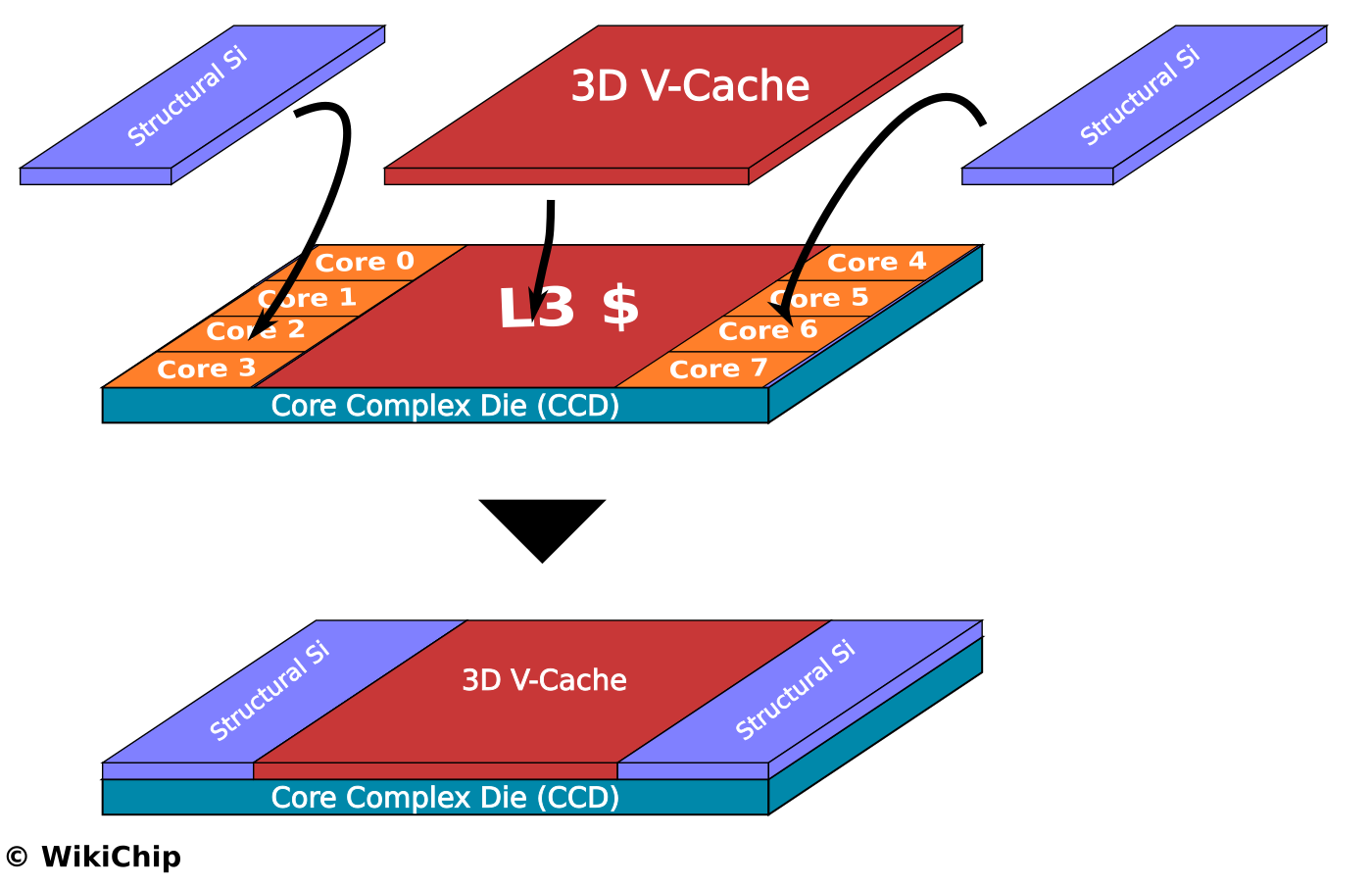
How AMD's 3D V-Cache stacking works for reduced latency
Breaking Down the Latest Zen 6 Cache Rumors
Recent leaks from reliable hardware insiders point to Zen 6 X3D models scaling cache dramatically. Single-CCD variants could hit 144MB total L3, while dual-CCD flagships reach an impressive 288MB. Here's the speculated breakdown:
| Configuration | Example SKU | Base L3 Cache | 3D V-Cache | Total L3 Cache |
|---|---|---|---|---|
| Single-CCD (Zen 6 X3D) | Ryzen 7 equivalent | 48MB | 96MB | 144MB |
| Dual-CCD (Zen 6 X3D) | Ryzen 9 equivalent | 96MB (48MB x 2) | 192MB (96MB x 2) | 288MB |
| Dual-CCD (Zen 5 X3D, for comparison) | Ryzen 9 equivalent | 64MB (32MB x 2) | 64MB (on one CCD) | 144MB |
Zen 6 CCDs are rumored to pack 12 cores (up from 8 in Zen 5), with a base L3 of around 48MB per CCD—a proportional increase for the added cores. The shift to 96MB stacked V-Cache per CCD would mark AMD's first symmetric dual V-Cache deployment in consumer desktops, resolving game scheduling quirks from asymmetric setups. These figures surpass earlier whispers of modest upgrades, hinting at advanced bonding and multi-layer stacking tech.
Rivalry Heats Up: Zen 6 vs. Intel Nova Lake
This isn't happening in a vacuum. Intel's Nova Lake-S desktop CPUs, eyed for 2026, are tipped to include a massive last-level cache scaling to 288MB in dual-tile layouts—explicitly targeting AMD's X3D stronghold. Nova Lake could sport high core counts, emphasizing massive cache to curb memory bottlenecks in high-FPS gaming.
By matching this scale, AMD's Zen 6 X3D could preserve its lead, bolstered by expected ~10% IPC gains, advanced process nodes, and optimized multi-CCD designs.
Close-up view of an AMD Ryzen processor
Why Massive Cache is a Game-Changer for Gamers
Larger L3 cache keeps critical game data on-chip, yielding:
- Higher average FPS in demanding titles
- Smoother 1% lows to minimize stuttering
- Enhanced scaling in ray-traced, open-world, and Unreal Engine 5 games
Scaling to 288MB could unlock next-level performance. However, hurdles persist:
- Cost: Beefier cache dies could inflate prices for premium SKUs
- Thermals and Clocks: Stacking may constrain boost speeds; advancements could mitigate this
- Diminishing Returns: Gains might taper if memory bandwidth lags
Outlook: The Cache Wars Escalate in 2026
If these rumors pan out, Zen 6 X3D could redefine gaming CPUs, delivering unprecedented cache for high-fidelity play. With AMD and Intel both all-in on massive memory subsystems, 2026 looks poised for epic performance leaps.
Stay updated—major announcements often follow leaks like these. What do you think about Zen 6? Share your thoughts in the comments!