
The First AI Casualty: How Generative AI Allegations Shut Down the Postal Developer
Sunday, December 07, 2025The First AI Casualty: How Generative AI Allegations Shut Down the Postal Developer
In a stunningly swift and brutal chain of events, Running with Scissors, the controversial developer behind the long-running Postal series, has announced it is shutting down. The cause wasn't financial ruin or a lack of interest, but the immediate cancellation of its newly announced game following a backlash over the use of AI-generated art.
This isn't just another studio closure story. It's a watershed moment for the video game industry, a stark and immediate demonstration of how the unregulated, volatile debate around generative AI can have devastating real-world consequences. What began as a routine game announcement spiraled into a studio's death knell within 48 hours, leaving the industry grappling with a new and terrifying question: who will be the next casualty of the AI revolution?
The Timeline of a Collapse
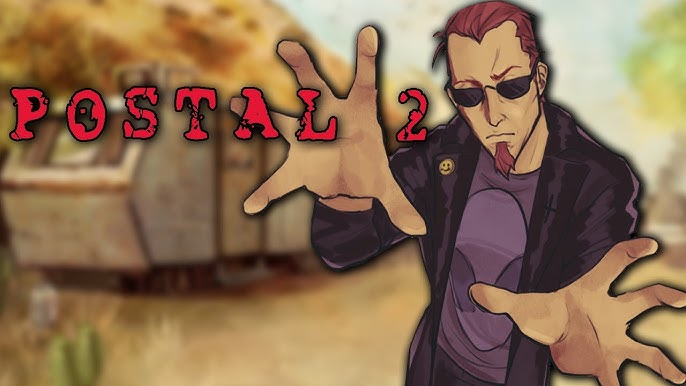
The sequence of events was as rapid as it was unforgiving. It began with the announcement of a new title, Postal III: Paradise Lost, a sequel that had been in development hell for over a decade. The announcement was accompanied by a key piece of promotional art depicting the series' infamous "Postal Dude." Almost immediately, online sleuths and artists identified the image as bearing the hallmarks of AI generation.
The backlash was swift and fierce. The controversy wasn't just about the use of a new tool; it was about the perceived replacement of human artists, a topic that has become a raw nerve in the creative community. The game's publisher, reportedly horrified by the potential PR nightmare and ethical firestorm, made an immediate decision: they were pulling out. With publisher funding gone, the future of the game was instantly null. A day later, Vince Desi, the founder of Running with Scissors, posted a somber video announcing that after nearly three decades, the studio was closing its doors for good.
The Core of the Conflict: Art, Ethics, and Perception
At the heart of this disaster is a single piece of art and the chasm of perception surrounding its creation. For Running with Scissors, using an AI generator was likely seen as a pragmatic, cost-effective tool to create an asset for a game that has always operated on the fringes. For the publisher and the wider public, it was seen as something else entirely: an ethical line crossed.
The publisher's reaction, while brutal, is a clear signal of the current climate. They are not in the business of defending controversial development practices, especially when it involves alienating the very artists and consumers they need to support their products. The risk of being branded as anti-artist, of becoming the face of a "machines replacing humans" narrative, was a financial and reputational gamble they were unwilling to take. They cut ties to protect their brand, leaving the developer to bear the full weight of the fallout.
The Ultimate Irony: A Studio Killed by Controversy
There is a deep, tragic irony in the demise of Running with Scissors. For nearly 30 years, the studio built its brand on being controversial. The *Postal* series courted outrage, pushed the boundaries of good taste, and thrived on the attention it garnered from being a cultural pariah. It was a studio that defined itself by walking right up to the line of what was acceptable.
Yet, it wasn't the hyper-violent content or the deliberately provocative satire that finally killed them. It was a new, unforeseen ethical boundary in the creative process. In an era where the *process* of creation is as scrutinized as the final product, the studio that was immune to outrage over its *content* found itself utterly defenseless against outrage over its *methods*. It's a defining twist that highlights how dramatically the rules of engagement have changed.
An Industry on Eggshells: The New Frontier of Risk
The closure of Running with Scissors sends a chilling message to every other developer, particularly in the indie space. The debate over generative AI is no longer a theoretical or academic one. It has immediate, tangible, and catastrophic consequences. This incident establishes a dangerous precedent where a studio's fate can be sealed not by the quality of its game, but by the tools it uses to create it.
The industry is currently in a "wild west" phase with AI. There are no clear guidelines from publishers, no standardized rules from unions, and no consensus on what is ethically acceptable. Developers are now navigating a minefield where a single decision, a single piece of art, can lead to a complete collapse. The fear is that publishers, spooked by this incident, will issue blanket bans on AI tools, stifling experimentation and potentially punishing smaller teams who lack the resources for large art departments.
A Cautionary Tale for the New Frontier
The story of Running with Scissors is more than a business failure; it's a cautionary tale for the entire creative frontier. It's a brutal reminder that technological advancement often outpaces our ethical and social frameworks. While the tools of creation are evolving at a breakneck pace, our understanding of their implications is lagging dangerously behind. The first major studio closure directly linked to AI allegations has happened, and it's unlikely to be the last. The question is no longer *if* the industry will adapt, but how many more casualties will occur before it does.