
Soul in the Machine: Navigating Gaming’s AI Voice Identity Crisis
Sunday, February 15, 2026Industry Report: Ethics in Tech
Soul in the Machine: Navigating Gaming’s AI Voice Identity Crisis
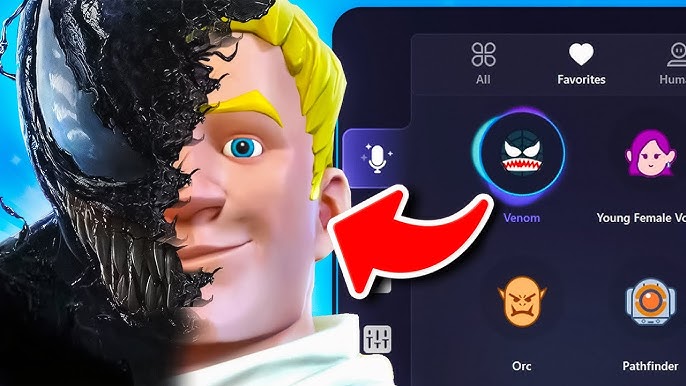
“I didn’t even realize it was AI.” This sentence, once a badge of technical honor, has become the most dangerous phrase in game development. Following the recent launch of ARC Raiders, the conversation around AI voice acting has shifted from "Can we?" to "Should we?"
The "Embark Model": Efficiency vs. Artistry
Embark Studios, the team behind The Finals and ARC Raiders, has been refreshingly—or frustratingly—transparent. They don't use "stolen" AI; they use AI Text-to-Speech (TTS) models trained on real, contracted voice actors. The goal? To allow a small team to build massive live-service worlds where every item, quest, and ping can be voiced instantly without a trip back to the recording booth.
But as ARC Raiders reviews hit the web this February, the "uncanny valley" of voice is showing its seams. While the tech allows for "infinite" context-sensitive dialogue, critics argue it lacks the emotional micro-expressions—the subtle breath, the cracking voice of a survivor, the pause for breath—that real actors like Jennifer Hale or David Hayter bring to a role.
The 2025 Strike Shadow
We are currently living in the "Aftermath" of the 2025 SAG-AFTRA strike. While the new contracts established "Informed Consent" and "Fair Compensation" for AI replicas, many veterans feel the market is drying up. When a studio can pay for a likeness once and use it forever for $1,000, why would they hire a mid-tier actor for a recurring seasonal role?
Slop vs. Substance
The real threat isn't just the loss of jobs; it's the standardization of "Slop." When AI generates dialogue based on training data, it can only reproduce what it has heard before. It cannot innovate. It cannot surprise a director with a performance they didn't expect. As Epic’s Tim Sweeney defends the tech as a "productivity multiplier," the gaming public is beginning to ask: Do we want a hundred times more content, or do we want content that actually means something?