
AMD Ryzen AI Max PCs Get Perplexity Portable Computer
Friday, September 25, 2026By Indie Kings | September 25, 2026
Updated September 25, 2026: AMD says Perplexity Portable Computer is now available on supported Windows PCs powered by Ryzen AI Max Series processors, including the Ryzen AI Halo developer platform. The software can run supported local AI tasks on the device without using Perplexity Computer credits for inference, while cloud models remain available when a task needs frontier reasoning.
Important distinction: This is a software and hardware enablement announcement, not a new Ryzen AI Max processor launch. AMD and Perplexity have not published independent performance benchmarks or a complete local-model comparison in the cited announcement.
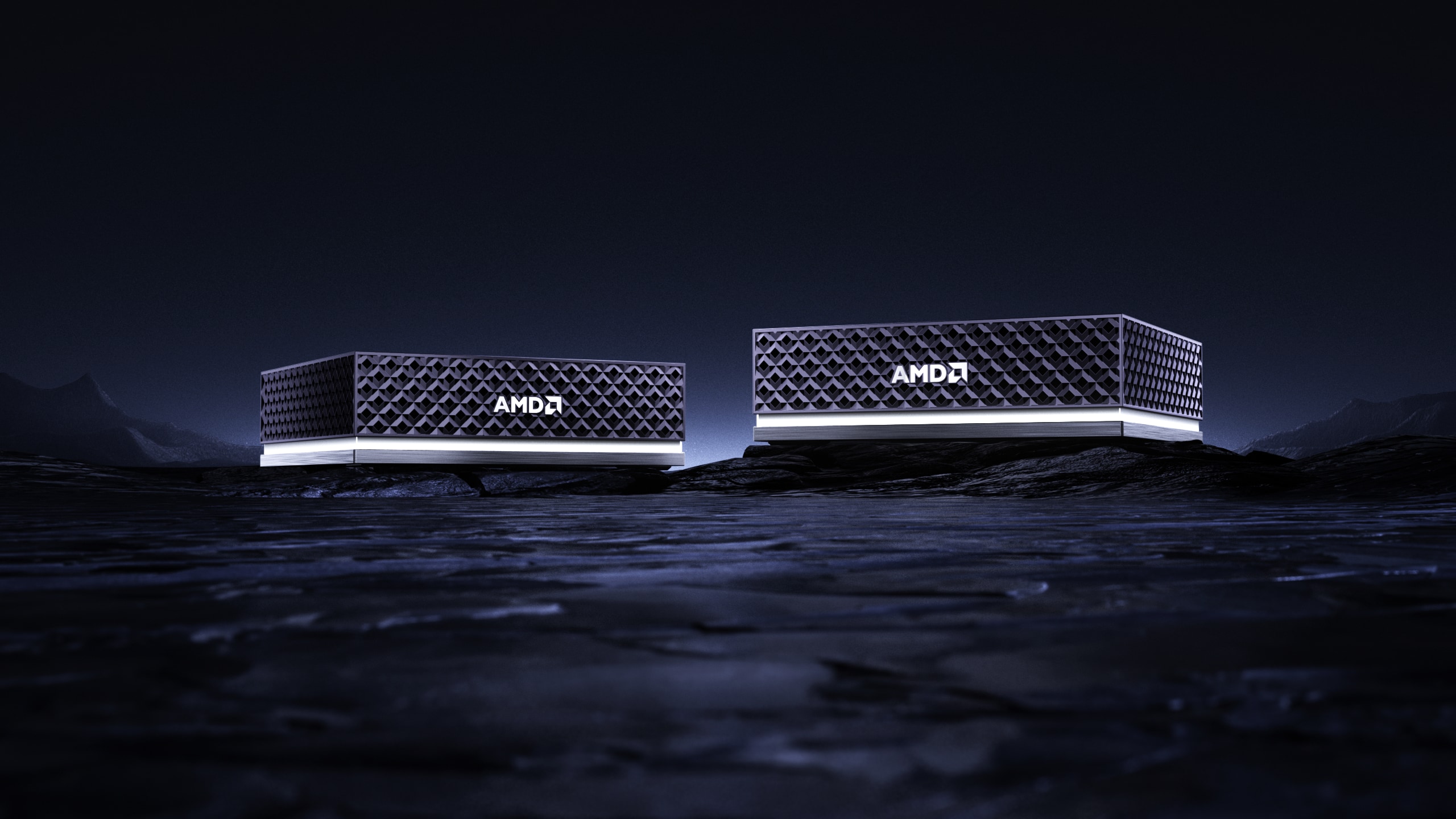
Image: AMD Ryzen AI Halo developer platform. Credit: AMD Newsroom.
What AMD announced
AMD Newsroom published the announcement on September 24, 2026. It says systems powered by AMD Ryzen AI Max Series processors, including the AMD Ryzen AI Halo developer platform, can run Perplexity Portable Computer on Windows.
AMD describes Portable Computer as a local-first agent stack. The application combines an agent harness, an orchestrator, a local model, and sandboxed execution so tasks can work with local files and connected applications. The announcement says local work can run without spending Perplexity Computer credits on inference.
AMD says Ryzen AI Max processors combine CPU and GPU performance with shared memory for local models and everyday applications. That is a platform description, not a promise that every model or task will run at a particular speed.
What runs locally
Perplexity's product page says the local harness, orchestrator, planner, and model run on the user's supported Windows or Linux system. The page lists PPLX 27B and Qwen 3.8 27B as local models in supported configurations, with availability depending on the hardware platform.
| Component | Perplexity description | What it means for users |
|---|---|---|
| Local model | PPLX 27B or Qwen 3.8 27B, depending on platform | Some inference can stay on the PC |
| Agent harness | Runs the task loop and tool calls | Agents can work with local workflows |
| Orchestrator | Coordinates local steps and cloud escalation | Tasks can move between local and cloud work |
| Sandbox | Isolated code and tool execution | Connected files and apps need careful permissions |
| Connectors | Gmail, Outlook, Slack, and GitHub are listed | Local agents can reach common work services |
Perplexity says only one local model runs at a time in its Windows setup. The product page also lists support for scheduled tasks, including recurring reviews or summaries. These are product capabilities, not independent tests of accuracy or completion rates.
Hardware requirements
The AMD announcement focuses on Windows systems with Ryzen AI Max Series processors. Perplexity's current product page gives a broader hardware matrix and separates Windows from Linux.
| Platform | Perplexity local requirement | Local model guidance |
|---|---|---|
| Windows with AMD Ryzen AI Max | Ryzen AI Max Series with 24GB VRAM or higher | Available local models depend on the system |
| Windows with NVIDIA RTX | Supported NVIDIA RTX GPU with 24GB VRAM or higher | PPLX 27B is listed for supported RTX PCs |
| Linux with NVIDIA RTX | Supported NVIDIA RTX GPU with 24GB VRAM or higher | PPLX 27B is listed; Qwen 3.8 27B is not listed for Linux RTX PCs |
| NVIDIA DGX Spark | Dedicated DGX Spark support | PPLX 27B and Qwen 3.8 27B are listed |
The 24GB figure is a product requirement stated by Perplexity, not a recommendation from AMD or an independent benchmark. Users should check the exact model, memory configuration, operating system, and current Perplexity setup instructions before purchasing hardware for this workflow.
When work moves to the cloud
Perplexity says the local orchestrator asks before routing a step to one of more than 15 cloud models when a task needs web access or frontier-scale reasoning. The result then returns to the local run.
This design separates two different claims. Local execution can reduce dependence on per-token inference credits for supported work, but it does not mean every request stays offline. A connected app, web research step, or frontier model can still send work outside the local system.
- Local: Supported model inference, file work, planning, and sandboxed tool execution.
- Escalated: A cloud model when the orchestrator requests it or a task needs capabilities not handled locally.
- User control: The product page says escalation asks for approval, but users should verify the current setting and connected permissions.
Apps, agents, and scheduled work
Perplexity lists connectors for Gmail, Outlook, Slack, and GitHub through the local orchestrator. It also says Portable Computer can use Perplexity Search and return research results to the same task.
Scheduled local tasks are another central feature. The product page gives examples such as a daily pull-request review or a weekly summary of local files. Scheduling does not guarantee that an agent will make the same decision every time, so users should review permissions, outputs, and connected credentials before enabling unattended work.
What the announcement does not prove
Neither AMD nor Perplexity published a benchmark comparing Ryzen AI Max systems with NVIDIA RTX systems in the cited announcement. There are no verified claims here about tokens per second, application speed, model quality, battery life, or total cost of ownership.
The announcement also does not promise that every Ryzen AI Max configuration supports every local model. Perplexity's 24GB requirement, model list, operating-system rules, and current setup page should be treated as the practical compatibility gates.
FAQ
What did AMD announce with Perplexity Portable Computer?
AMD says supported Windows PCs with Ryzen AI Max Series processors, including Ryzen AI Halo developer systems, can run Perplexity Portable Computer for local AI tasks and connected workflows.
Does Perplexity Portable Computer always work offline?
No. Perplexity says local tasks can run on the device, but the orchestrator can ask before routing a step to one of more than 15 cloud models.
What hardware does Perplexity list for local inference?
The product page lists supported NVIDIA RTX GPUs or AMD Ryzen AI Max Series processors with 24GB of VRAM or higher on Windows. Its Linux requirements currently list supported NVIDIA RTX systems.
Which local models are listed?
Perplexity lists PPLX 27B and Qwen 3.8 27B in supported configurations, with platform-specific availability. Only one local model runs at a time in the Windows setup described by the product page.
Does the AMD announcement provide performance benchmarks?
No. The cited AMD and Perplexity pages describe platform support and product architecture, not independent performance results.
Which apps can Portable Computer connect to?
Perplexity lists Gmail, Outlook, Slack, and GitHub connectors, plus Perplexity Search. Review permissions before granting an agent access to those services.
Bottom Line
AMD and Perplexity have made Ryzen AI Max systems a supported Windows platform for Portable Computer, combining local models, agent orchestration, connected apps, and optional cloud escalation. The announcement is useful for builders choosing a local AI PC, but it does not establish benchmark performance or universal model compatibility. Check the 24GB requirement and current platform matrix before buying.
Sources: AMD Newsroom announcement | Perplexity Portable Computer product page
Related: Meta Muse Glimmer local agent coverage | Ryzen AI Max 388 and Strix Halo coverage