
Xbox Cloud Gaming Caps Hours: 15 for Ultimate [2026]
Xbox Cloud Gaming Hour Caps Explained: 15 Hours For Ultimate, 10 For Premium, 5 For Essential From November 2026
By Indie Kings | September 7, 2026 | Updated September 7, 2026 | 18 min read
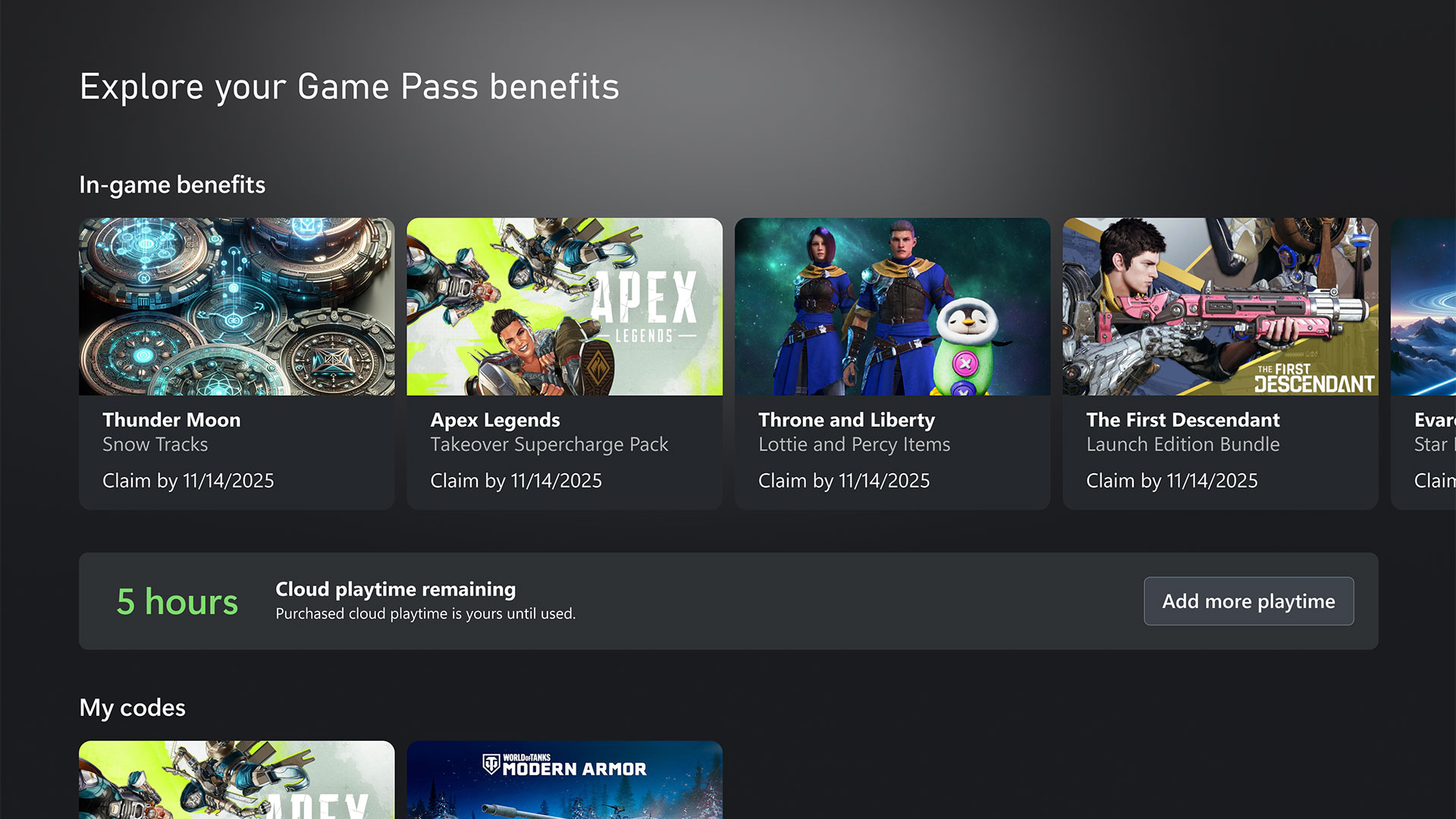
Image: Xbox Wire. Editorial use.
On September 3, 2026, Microsoft confirmed on Xbox Wire that Xbox Cloud Gaming will move to monthly hour caps in November 2026. Xbox Game Pass Ultimate moves to 15 hours of cloud streaming per month. Xbox Game Pass Premium moves to 10 hours per month. Xbox Game Pass Essential moves to 5 hours per month. The free tier without a subscription remains at 5 hours per month with no change. Microsoft said players who need more time can purchase extra hours, with pricing to be announced before launch. The company said installs on console and PC remain unaffected. The company said about 4 percent of its 30 million cloud users exceed the planned limits today, equal to about 1.2 million accounts. The change follows the August 2026 rollout of instant cloud launch for owned games and arrives amid rising server costs across the industry. This guide breaks down each tier, the timeline, the cost rationale, the subscriber math, head to head comparisons with GeForce NOW, PlayStation Plus Premium, and Amazon Luna, what counts toward the cap, expected pricing for add on hours, impact by player type, predictions for 2027, and a concrete action plan before November.
Table of Contents
- 1. Announcement At A Glance: What Microsoft Confirmed September 3
- 2. Full Tier Breakdown: Ultimate 15 Hours, Premium 10 Hours, Essential 5 Hours
- 3. Free Tier Stays At 5 Hours: What Changes And What Does Not
- 4. Timeline: August Instant Launch To September Reveal To November Enforcement
- 5. Why Microsoft Is Capping Cloud Hours: Server Cost Rationale
- 6. Subscriber Math: 34 Million, 30 Million, 4 Percent, 1.2 Million
- 7. Xbox Cloud Gaming Vs GeForce NOW: 15 Hours Against 100 Hours
- 8. Xbox Against PS Plus Premium And Amazon Luna: No Published Cap
- 9. What Counts Toward The Cap And What Remains Unlimited
- 10. Extra Hours Purchase Option: Pricing Outlook And Value Math
- 11. Impact On Heavy Players, Families, And No Console Households
- 12. Predictions For 2027: Price Moves, Cap Moves, And Bundle Responses
- 13. Player Action Plan Before November 2026
- 14. FAQ: Eight Answers On Dates, Installs, Sharing, And Refunds
1. Announcement At A Glance: What Microsoft Confirmed September 3
Microsoft published the cloud gaming changes on Xbox Wire on September 3, 2026. The post set November 2026 as the enforcement month for monthly cloud streaming allowances. Xbox Game Pass Ultimate, priced at 22.99 dollars per month in the United States, receives 15 hours of cloud streaming per month. Xbox Game Pass Premium receives 10 hours per month. Xbox Game Pass Essential receives 5 hours per month. The free cloud tier for players without Game Pass remains at 5 hours per month. Microsoft said additional hours will be available for purchase. Microsoft did not publish the price of extra hours in the September 3 post. Coverage by the BBC on September 4, 2026 summarized the same structure and noted that local installs remain outside the cap. Windows Central added context that a purchase option for players without a subscription is also in development, tied to the broader push for cloud access to owned libraries.
The structure matters because Xbox Cloud Gaming had operated without a published monthly hour limit for most subscribers. Players could stream Game Pass titles and supported owned titles through browsers, mobile apps, smart TVs, and consoles, limited mainly by queue times and session lengths rather than a monthly account. The November model replaces open use with a clear monthly allowance per tier. Once the allowance is used, cloud streaming pauses until the next cycle unless the account holder buys extra hours. Game Pass benefits outside cloud, including downloads, multiplayer access by tier, EA Play where included, discounts, and perks, continue under existing rules. Microsoft framed the move as a way to sustain performance and expand access while controlling infrastructure load.
Three details from the announcement deserve attention. First, the cap applies to cloud streaming time, not to time spent in menus, downloads, or local play. Second, the free tier allowance did not drop. It holds at 5 hours, which keeps a low cost entry path for trials, travel play, and smart TV access without a console. Third, Microsoft attached a number to impact. About 4 percent of 30 million cloud users exceed these limits under current behavior. That frames the policy as targeted at heavy cloud users rather than the median subscriber, a point Microsoft repeated in follow up comments. The rest of this guide tests that claim against real play patterns, compares allowances with rivals, and maps what affected players can do.
2. Full Tier Breakdown: Ultimate 15 Hours, Premium 10 Hours, Essential 5 Hours
Xbox Game Pass Ultimate sits at the top of the lineup at 22.99 dollars per month. It includes the largest cloud allowance at 15 hours per month from November. Ultimate also includes day one releases, the full Game Pass library for console, PC, and cloud where supported, EA Play, online multiplayer, discounts, and perks. For cloud first players, 15 hours equals about 30 minutes per day across a 30 day month, or about 3.75 hours per week. That covers a single player campaign played in short sessions, nightly multiplayer matches of 45 to 60 minutes for about 15 to 20 days, or mixed use across phone, browser, and TV. It does not cover daily multi hour streaming as a primary platform. Players who stream two hours per day will use about 60 hours per month, four times the Ultimate allowance.
Xbox Game Pass Premium is the middle tier and moves to 10 hours of cloud streaming per month. That equals about 20 minutes per day, or about 2.5 hours per week. Premium suits players who mainly install on one console and use cloud for travel, second screens, or trying games before download. A player who streams for one hour on five separate travel days in a month uses half the allowance. A player who streams for one hour each weekend uses about 4 to 5 hours, well within the limit. A player who relies on cloud for daily play after work will exceed 10 hours in the first two weeks. The gap between Premium and Ultimate is 5 hours, equal to about five ranked matches, two long story missions, or one extended weekend session.
Xbox Game Pass Essential is the entry paid tier and moves to 5 hours of cloud streaming per month. That equals about 10 minutes per day on average, or about 75 minutes per week. Essential cloud access functions as a supplement rather than a platform. It covers demos, short trials, cloud saves checks, or emergency access when away from the home console. It does not support a cloud only routine. Players on Essential who want regular handheld or browser play will need to install locally where possible or plan a tier change. Families sharing one subscription should note that the allowance applies at the account level structure Microsoft uses for cloud entitlements, so shared use drains the same pool faster than solo use.
3. Free Tier Stays At 5 Hours: What Changes And What Does Not
The free cloud tier holds at 5 hours per month with no change in November. That decision keeps parity between Essential paid entry and free access on raw hours, with paid tiers differentiated by library access, multiplayer, and other benefits rather than by a higher floor. Free tier streaming remains limited to supported free to play titles and selected experiences where Microsoft enables no subscription access, including Fortnite and other titles Microsoft has used to seed the free cloud funnel. Game Pass library streaming still requires a paid tier. The unchanged free allowance signals that Microsoft wants to preserve discovery. A new player can test cloud on a phone or TV for several short sessions before committing to Essential, Premium, or Ultimate.
What does not change in November is also important. Local installs on Xbox Series X, Xbox Series S, and PC through Game Pass remain outside the hour cap. If a game is installed on local hardware, hours in that installed copy do not draw from the cloud allowance. Purchases of games remain intact. Saves, achievements, and entitlements remain intact. Session level limits and queue behavior may still apply during peak demand, but those are separate from the monthly account. Microsoft has not announced a change to stream resolution, frame rate targets, or supported devices tied to this policy. Players with a console or gaming PC can avoid the cap entirely by installing rather than streaming, provided storage and download bandwidth allow it.
The free tier also serves as a useful measuring stick for value. Essential at 5 hours matches free on hours but adds paid library access and other tier benefits. Premium at 10 hours doubles free. Ultimate at 15 hours triples free. Viewed that way, the paid ladder pays for library breadth plus modest cloud headroom rather than for unlimited streaming. Players who bought Game Pass mainly for cloud should recalculate value under that lens. Players who bought Game Pass mainly for installs will see little practical change unless they stream on the side for more than a few hours per month.
4. Timeline: August Instant Launch To September Reveal To November Enforcement
August 2026 set the stage. Microsoft expanded instant cloud launch behavior tied to owned libraries and Game Pass discovery, reducing friction between selecting a title and starting a stream. Faster start times increase trial starts and short sessions, which in turn increase aggregate server minutes. Industry coverage in August noted shorter queues on some endpoints and broader TV app reach. That growth in ease of use helps explain the September policy. When starting a stream takes seconds, more users start more streams, including streams that end after a few minutes. Infrastructure must absorb both long sessions and a high count of short sessions.
September 3, 2026 brought the formal policy on Xbox Wire. September 4 brought mainstream pickup, including BBC reporting that restated the tier allowances and the extra hours purchase path. Early September also brought community testing of behavior: players checking history, estimating weekly averages, and debating whether 15 hours reflects median cloud use or median Game Pass use blended with installs. Microsoft clarified that the 4 percent figure refers to cloud users measured against the new allowances. That distinction matters. A Game Pass subscriber who installs everything and streams for one hour per month is unaffected. A cloud first subscriber who streams 40 hours per month is affected even though both pay for Ultimate.
November 2026 is the enforcement point. Microsoft has not published a day level cutover time as of September 7, 2026. Expect the allowance cycle to align with billing cycles or calendar months, with details to be confirmed in support pages before launch. The extra hours price is listed as to be announced. The no subscription buy hours path for owned games is described as coming, without a firm date. Players should treat September and October as measurement months. Track personal cloud time now, test install alternatives, and avoid annual plan changes until Microsoft publishes the meter rules, the reset date, and the add on price. Those three facts determine whether Ultimate plus add ons remains cheaper than a rival service for heavy streaming.
5. Why Microsoft Is Capping Cloud Hours: Server Cost Rationale
Cloud gaming converts a one time console sale plus a subscription into ongoing server cost per hour played. Each streamed hour consumes GPU time on a data center blade, video encoding, network egress, and power and cooling. Microsoft operates Xbox Cloud Gaming on custom server blades linked to Xbox hardware generations. As resolution, frame rate, and availability targets rise, cost per hour rises unless utilization and hardware efficiency improve faster. A monthly cap bounds the maximum cost per subscriber. With a published allowance, finance teams can model worst case server minutes per tier instead of planning for open ended use by a small group of intensive users.
The heavy user skew drives the logic. If 4 percent of 30 million cloud users exceed the caps, that group represents about 1.2 million accounts with the highest server minutes. In usage distributions with a long tail, a small share of accounts often accounts for a large share of total hours. Capping that tail reduces peak load, queue pressure, and hardware expansion needs without changing the experience for the median user. It also creates a price signal. Light users stay inside the base subscription. Heavy users pay for incremental hours or shift to local installs, which move compute cost back to the player owned device. Both paths lower average cost per subscriber for Microsoft.
Competitive and technical context reinforces the move. NVIDIA has long used time based structures for GeForce NOW, with monthly allowances and paid extensions. Console makers face rising memory, storage, and logistics costs in 2026, visible in hardware price adjustments across PlayStation, Nintendo, and handheld PCs. Data center capacity remains contested by AI workloads, which lift the opportunity cost of gaming blades. Instant launch features increase total sessions. Taken together, open ended cloud streaming at a flat 22.99 dollars becomes harder to sustain for all you can stream behavior. A tiered allowance with paid extensions aligns price with cost while keeping entry points at 5 hours for trial and light use.
6. Subscriber Math: 34 Million, 30 Million, 4 Percent, 1.2 Million
Microsoft last disclosed Game Pass at 34 million subscribers in February 2024, a figure that included Core. The September 2026 cloud discussion cites 30 million cloud users as the base for the 4 percent impact estimate. The two numbers measure different things. Total Game Pass subscribers include players who never touch cloud. Cloud users are the subset with at least some streaming activity. Using 30 million as the cloud base, 4 percent equals 1.2 million accounts over the new allowances under current patterns. Using 34 million as a rough total subscriber proxy, 1.2 million equals about 3.5 percent of all subscribers, before adjusting for growth since 2024.
Growth since February 2024 complicates direct comparison. Game Pass pricing, tier names, and library value changed between 2024 and 2026. Total subscribers likely moved, but Microsoft has not published a fresh total alongside the cloud policy as of September 7, 2026. If total subscribers rose above 34 million, 1.2 million affected accounts would be a smaller share of the total. If cloud adoption rose faster than total subscriptions due to TV apps and browser access, the cloud base could exceed 30 million by November, which would raise the absolute count of affected users even at a steady 4 percent rate. Players should read 1.2 million as an order of magnitude signal, not a precise forecast for November.
Behavior math helps translate 15 hours into real routines. Fifteen hours per month supports about 900 minutes. A story game at 25 hours would need almost two months of full Ultimate allowances if played only in cloud. A live service player at 90 minutes per day uses about 45 hours per month, triple the allowance. A casual player at 20 minutes per day uses about 10 hours, inside Ultimate and at the Premium edge. A family with two players sharing streaming on one account at 45 minutes each per day uses about 45 hours combined. The median Game Pass user who installs on console and streams for demos and travel will sit well under the cap. The cloud only household, the dorm room without a console, the travel heavy player, and the handheld first player cluster in the affected tail.
7. Xbox Cloud Gaming Vs GeForce NOW: 15 Hours Against 100 Hours
GeForce NOW sets the strictest direct comparison because it publishes hour structures openly. GeForce NOW Ultimate in 2026 offers 100 hours per month at 19.99 dollars, with up to 15 unused hours rolling to the next month and extra blocks at 5.99 dollars for 15 hours. Priority and Performance tiers offer lower allowances and lower prices with similar extension logic. Against that benchmark, Xbox Game Pass Ultimate at 15 hours offers 15 percent of the GeForce NOW Ultimate monthly allowance at a higher base price of 22.99 dollars. The ratio is about 6.7 to 1 in favor of GeForce NOW on raw hours. Rollover further widens the gap for uneven play months, since a light month banks hours for a heavy month.
Library models differ and offset part of the hour gap. GeForce NOW streams games the player already owns on Steam, Epic, Ubisoft, and other PC stores, plus supported free titles. It does not include a Game Pass style library. Xbox Cloud Gaming streams the Game Pass catalog plus supported owned titles where enabled, bundled with downloads, multiplayer by tier, and EA Play in Ultimate. A player comparing 22.99 dollars for 15 hours plus a library against 19.99 dollars for 100 hours plus owned games must weigh library value. A player with a large Steam library who mainly needs hours will favor GeForce NOW. A player who rents discovery through Game Pass and installs most play locally will still favor Xbox, since installs bypass the cap.
Extension pricing will decide heavy user outcomes. GeForce NOW lists 5.99 dollars per 15 extra hours as a clear anchor. If Xbox prices extra hours near that level, an Ultimate subscriber needing 45 hours would pay base plus about two extra blocks, landing near 35 dollars in that month. If Xbox prices higher, the crossover to GeForce NOW plus owned copies becomes stronger for cloud only power users. Until Microsoft publishes the add on price, heavy streamers should avoid locking in annual Xbox commitments based on hour needs. Track September and October cloud totals, then compare the effective Xbox cost per extra hour against the 5.99 dollars per 15 hours GeForce NOW benchmark.
8. Xbox Against PS Plus Premium And Amazon Luna: No Published Cap
PlayStation Plus Premium and Amazon Luna do not publish a monthly hour cap comparable to the Xbox November model as of September 2026. PlayStation Plus Premium includes cloud streaming for supported PS5 titles in regions where the service is live, alongside the game catalog, classics, trials, and online multiplayer. Sony manages load through availability by region, stream quality options, session handling, and library scope rather than a public monthly allowance. That does not mean unlimited capacity in an engineering sense. It means the constraint is expressed through access and performance rather than a metered monthly number. For players comparing policies, the practical difference is predictability. Xbox tells heavy users the exact monthly ceiling. Sony tells users where and what they can stream without a monthly hour meter.
Amazon Luna uses a channel model with its own constraints around resolution, devices, and concurrent streams, but it also does not market a monthly hour meter like the Xbox November caps. Luna availability varies by country, and its value rests on low friction access through Prime linked offers, Ubisoft channels, and controller to cloud paths. For light to moderate streamers, Luna functions as an uncapped alternative in marketing terms, though network quality and catalog fit matter more than hour math. Neither PS Plus Premium nor Luna matches Game Pass day one breadth on Xbox first party titles, so catalog preference still drives many households more than hour policy.
The competitive risk for Microsoft is framing. Xbox now owns the tightest published allowance among major options at 15 hours for the top tier, against 100 hours for GeForce NOW Ultimate and no published monthly meter for PS Plus Premium and Luna. Even if only 4 percent exceed the cap today, the headline number shapes perception for new buyers choosing between a handheld plus cloud plan and a console plus install plan. Microsoft can blunt that risk with three levers: low priced extra hours, generous treatment of short trial sessions, and clear install alternatives. Without those, comparison tables will show Xbox at the bottom on hours through 2027 regardless of library strength.
9. What Counts Toward The Cap And What Remains Unlimited
The cap counts cloud streaming minutes against the monthly allowance for the account tier. That includes Game Pass cloud play and supported owned title streaming where enabled. It applies across endpoints, including browsers, mobile apps, PC apps in cloud mode, smart TVs, and consoles when the session runs from the cloud rather than from a local install. Switching devices mid month does not reset the meter. The allowance is monthly. Once used, cloud starts block until reset or until extra hours are added. Players should expect a usage screen in account settings before November, showing allowance, used hours, remaining hours, and reset date.
Local installs remain unlimited under this policy. Playing an installed copy on Xbox Series X, Xbox Series S, or PC does not consume cloud hours. Downloads, updates, and time in installed games do not draw from the allowance. Remote play from a personal console to a phone over a home network follows separate remote play rules and should not be confused with Xbox Cloud Gaming data center streaming, though Microsoft support pages will need to state the boundary clearly before November. Purchases, entitlements, saves, and achievements are unaffected. Multiplayer access follows tier rules, not hour rules. A player who hits the cloud ceiling can still install and play the same library locally with no extra charge beyond storage and bandwidth.
Edge cases to watch include demo sessions, idle time, paused streams, and family sharing. Microsoft has not yet published whether a paused cloud session continues to meter at full rate, whether idle disconnects stop the meter quickly, or whether brief trial launches round up to a minimum increment. Those details matter for the effective allowance. Five 6 minute trials could meter as 30 minutes under exact accounting or as a larger block under rounding. Households should also confirm how child accounts and shared consoles attribute cloud minutes. Until the meter rules are public, treat all connected cloud time as billable against the cap and close streams rather than leaving them paused.
10. Extra Hours Purchase Option: Pricing Outlook And Value Math
Microsoft confirmed that extra cloud hours can be purchased, with pricing to be announced before November. No price appears in the September 3 Xbox Wire post as summarized through September 7. A separate no subscription buy hours path for owned games is described as coming, which would let players without Game Pass pay for cloud access to titles they own. Both paths need three facts to judge value: price per hour, minimum block size, and expiry. GeForce NOW anchors expectations at 5.99 dollars for 15 hours on extensions, equal to about 40 cents per hour. If Xbox matches that anchor, heavy months remain manageable. If Xbox prices above 1 dollar per hour, cloud only routines become costly fast.
Value math by routine clarifies the stakes. An Ultimate subscriber at 22.99 dollars with 15 included hours who plays 30 cloud hours in a month needs 15 extra hours. At 40 cents per hour, that month costs about 29 dollars. At 1 dollar per hour, it costs about 38 dollars. At 2 dollars per hour, it costs about 53 dollars. A 60 hour month needs 45 extra hours. At 40 cents, total lands near 41 dollars. At 1 dollar, total lands near 68 dollars. Those totals compete directly with GeForce NOW Ultimate at 19.99 dollars for 100 hours plus owned game costs, or with a used Series S plus installs for players with stable housing. Microsoft has room to tier extra hours by subscription level, with lower per hour pricing for Ultimate than Essential, but no such structure is confirmed.
Block design also affects waste. A 5 hour block suits overflow months. A 15 hour block suits power months but wastes value if only 3 extra hours are needed and blocks do not roll over. Expiry rules decide whether unused extra hours carry forward. GeForce NOW allows limited rollover of base hours, which smooths uneven months. If Xbox extra hours expire at month end with no rollover, players will need to size purchases tightly. If extras stack or roll, players can buy ahead during light months. Watch support pages for minimum purchase, stacking limits, auto recharge options, and refund handling for accidental starts. Those mechanics often matter more than headline price.
11. Impact On Heavy Players, Families, And No Console Households
Heavy cloud players absorb the direct hit. The 1.2 million accounts in the overage tail include cloud only subscribers, shift workers playing on phones, college dorms without TVs, military postings with limited hardware, and handheld first users who treat cloud as the main platform. A player averaging 90 minutes of cloud per day will need about triple the Ultimate allowance. Options include shifting to installs where hardware allows, splitting play between cloud and local, buying extra hours, or moving heavy streaming to GeForce NOW where the library overlaps through owned PC copies. The lowest cost path for most heavy users with a console or PC is installs. The hardest case is the player with no capable local hardware, for whom every hour must be streamed.
Families face pooled drain. Two children sharing one Ultimate account for after school cloud sessions can use 15 hours in about 10 days at 90 minutes combined per day. Weekend tournaments, new release launches, and school breaks spike use further. Mitigations include installing marquee titles on the home console, reserving cloud for travel and second screens, staggering new game starts across months, and using the free tier strategically for eligible free to play sessions where supported. Households with two consoles and separate accounts should compare two Premium allowances against one Ultimate allowance plus extras, since separate meters may fit split routines better than a shared pool with add ons.
No console households need a full rethink. Renters who move often, players who game on smart TVs, Mac owners without Boot Camp style gaming setups, and Chromebook users picked Xbox cloud partly to avoid hardware. For those users, 15 hours caps the core promise. A TV only player at one hour per day needs about 30 hours, double the top allowance. Until extra pricing lands, such players should test GeForce NOW with owned copies, test Luna and PS Plus streaming where available, and measure input latency and library fit rather than committing on brand loyalty. The install escape hatch does not help without install hardware, so metered cloud cost becomes the full cost of play.
12. Predictions For 2027: Price Moves, Cap Moves, And Bundle Responses
Three paths look likely for 2027. First, extra hour pricing sets perception. A price near the GeForce NOW anchor keeps Xbox competitive for 20 to 40 hour months and limits churn to rivals. A high price pushes heavy users out and trains new buyers to treat Xbox cloud as a trial layer rather than a platform. Second, Microsoft can tune allowances without renaming tiers. A move from 15 to 25 or 30 hours for Ultimate during holiday 2027 would answer comparison tables while preserving the cost control logic. A move to differentiate rollover, such as 5 unused hours rolling forward for Ultimate only, would soften uneven months without raising the headline cap.
Third, bundles and hardware offers can offset hour limits. Expect retail bundles that pair three months of Ultimate with external storage, install friendly messaging, and refurbished Series S pushes aimed at converting cloud only heavy users into install users. PC Game Pass crossgrade offers can also move laptop owners from cloud to local installs. On the rival side, expect NVIDIA to keep hammering the 100 hour figure in marketing through 2027. Expect Sony to stress no monthly meter for Premium streaming where available, even as it rations through regions and catalog. Expect Amazon to court light streamers with channel trials that avoid hour math entirely.
The least likely outcome is a return to open ended cloud at a flat price. Server economics, AI capacity pressure, and instant launch session growth all point toward metering as the durable model. The open question is not whether caps stay but how generous the paid extensions feel. If Microsoft lands extra hours near 40 to 60 cents per hour with small blocks and no harsh expiry, the November policy will read as a power user surcharge. If extras land above 1 dollar per hour with large blocks and strict expiry, it will read as a platform downgrade for cloud first players. Watch the October support update. It will signal which 2027 Microsoft has chosen.
13. Player Action Plan Before November 2026
Measure personal cloud use in September and October. Check Xbox account history, TV app stats where shown, and manual logs of session lengths. Sort play into cloud only, cloud by choice, and install ready. Cloud only means no local hardware can run the title. Cloud by choice means installs exist but streaming is more convenient. Install ready means a console or PC can take over with storage free. Players with more than 15 hours in either test month on Ultimate, more than 10 on Premium, or more than 5 on Essential sit in the affected zone unless routines change. Do not rely on memory. Evening sessions feel shorter than metered time.
Shift install ready play to local hardware now. Free storage on Series X, Series S, and PC. Preload fall releases. Test offline launches and save sync. Move multiplayer defaults to installed copies to avoid burning cloud minutes on long sessions. Reserve cloud for its strengths: travel, second screens, quick trials before a 100 gigabyte download, and owned game checks on weak hardware. Close cloud sessions instead of pausing. Confirm sign out behavior on shared TVs. Teach family members to exit to the dashboard rather than leaving a stream idle if idle time meters.
Delay tier and term decisions until extra pricing is public. Month to month Ultimate preserves optionality through November. Avoid stacking 12 month codes based on old unlimited assumptions if cloud hours drive the purchase. Revisit the bundle tracker before buying holiday codes, since third party discounts change effective cost per cloud hour. Laptop and handheld owners should also test local performance for key titles and test rival streaming fit. A short GeForce NOW trial with an owned copy answers latency and library questions faster than forum threads. Reassess once Microsoft publishes the meter screen, reset rules, and add on blocks.
14. FAQ: Eight Answers On Dates, Installs, Sharing, And Refunds
When do Xbox Cloud Gaming hour caps start?
November 2026. Microsoft announced the policy on Xbox Wire on September 3, 2026. A specific day, reset logic, and meter display details are expected in support pages before enforcement. Treat November 1 as the planning date until Microsoft confirms exact timing.
How many hours does each tier receive?
Ultimate receives 15 hours per month. Premium receives 10 hours per month. Essential receives 5 hours per month. Free access without a subscription remains at 5 hours per month. Extra hours can be purchased, with pricing to be announced.
Do installs on Xbox console or PC count toward the cap?
No. Local installs on Xbox Series X, Xbox Series S, and PC do not draw from the cloud allowance. Only data center cloud streaming counts. Players who install full games bypass the meter for those hours, subject to storage and download limits.
Does the free 5 hour tier change?
No. Free cloud access remains at 5 hours per month with no change in November. Library scope for free streaming stays limited to supported titles where no subscription access is enabled. Game Pass catalog streaming still needs a paid tier.
How do Xbox caps compare with GeForce NOW?
GeForce NOW Ultimate offers 100 hours per month at 19.99 dollars, with up to 15 hours of rollover and 15 extra hours at 5.99 dollars. Xbox Ultimate offers 15 hours at 22.99 dollars with extra pricing to be announced. On raw hours, GeForce NOW leads by about 6.7 to 1, before library differences.
Do PlayStation Plus Premium and Amazon Luna cap monthly hours?
Neither publishes a monthly hour meter comparable to the Xbox November model as of September 2026. PS Plus Premium manages streaming through regions, catalog, and session handling. Luna manages through channels, devices, and concurrency. Catalog fit and network quality matter more than hour math for those comparisons.
What happens when hours run out mid month?
Cloud streaming pauses until the next allowance cycle unless extra hours are purchased. Installed play, saves, purchases, and non cloud benefits continue. Players should confirm reset dates, stacking rules, and expiry for extra blocks once support pages go live.
Should players change tiers or buy extra hours now?
Wait for pricing before November if cloud drives the decision. Measure September and October use, shift install ready play to local hardware, and stay month to month until Microsoft publishes per hour pricing, block sizes, and rollover rules. Use the install path where possible and compare effective cost per hour against the GeForce NOW 5.99 dollars per 15 hours anchor.
Comparison Tables
Table 1: Xbox Cloud Gaming Monthly Allowances From November 2026
| Tier | Monthly Cloud Hours | US Price | Notes |
|---|---|---|---|
| Ultimate | 15 hours | 22.99 dollars | Largest allowance, day one library, EA Play included |
| Premium | 10 hours | Mid tier | Best for install first players with light travel use |
| Essential | 5 hours | Entry paid | Matches free tier on hours, adds paid library benefits |
| Free, no subscription | 5 hours | 0 dollars | Unchanged, limited to supported free access titles |
Table 2: Cloud Hour Comparison Across Services, September 2026
| Service | Top Allowance | Base Price | Extra Hours | Cap Model |
|---|---|---|---|---|
| Xbox Game Pass Ultimate | 15 hours per month | 22.99 dollars | Price to be announced | Monthly meter from November 2026 |
| GeForce NOW Ultimate | 100 hours per month | 19.99 dollars | 15 hours at 5.99 dollars | Monthly meter with 15 hour rollover |
| PlayStation Plus Premium | No published monthly meter | Varies by region and term | Not applicable | Managed by region, catalog, session handling |
| Amazon Luna | No published monthly meter | Varies by channel | Not applicable | Managed by channel, device, concurrency |
Sources: Xbox Wire September 3, 2026; BBC September 4, 2026; Windows Central; NVIDIA GeForce NOW membership pages; PlayStation Plus and Luna support pages. Prices in US dollars. Extra hour pricing for Xbox to be confirmed.
Related reading: Game Pass Bundle Tracker for holiday code prices and effective cost per cloud hour. Zen 6 vs Nova Lake CPU leak for local install planning if rising DDR5 prices and new platforms shape a PC upgrade instead of heavier cloud use.