
City Never Sleeps Turns Deadlock Into A Horror Game
Wednesday, October 07, 2026By Indie Kings | October 7, 2026
Updated October 7, 2026: Valve's City Never Sleeps update has reframed Deadlock, and PC Gamer columnist Elie Gould argues it is no longer best described as a MOBA or a third-person shooter, because the new map, heroes, and tunnel play now make it feel like a horror game. The short version: six new heroes headlined by the Rat King, spookier districts like Chinatown, and tunnel encounters where the map itself seals you in have turned team fights into jump scares.
The story so far
Deadlock began its life quietly, a Valve project that sat somewhere between a multiplayer online battle arena and a third-person shooter. Players called it a MOBA because it has lanes, heroes, items, souls, and a base to destroy. Players also called it a third-person shooter because the moment-to-moment combat is gunplay from an over-the-shoulder view. Both labels were serviceable. Neither captured what Valve kept adding: a city, a mood, a night-time menace that lives underneath the streets.
On October 6, 2026, PC Gamer news writer Elie Gould published a feature arguing that the latest major update, City Never Sleeps, settles the debate. Per the columnist, Deadlock's technically still a MOBA or a third-person shooter on paper, but in practice it now plays like a horror game. The columnist's evidence comes from their own matches, their tunnel routes on the hero Rem, and one rat that refused to stop hunting them.
That framing matters for how players describe the game to newcomers. Genre labels set expectations. If you call something a MOBA, a new player expects farming, laning, and macro rotation. If the columnist is right, the more honest expectation is tension, isolation, and the feeling that the map itself is hostile. Below we walk through the reported changes, the columnist's genre read, and what this means if you are picking Deadlock back up this month.
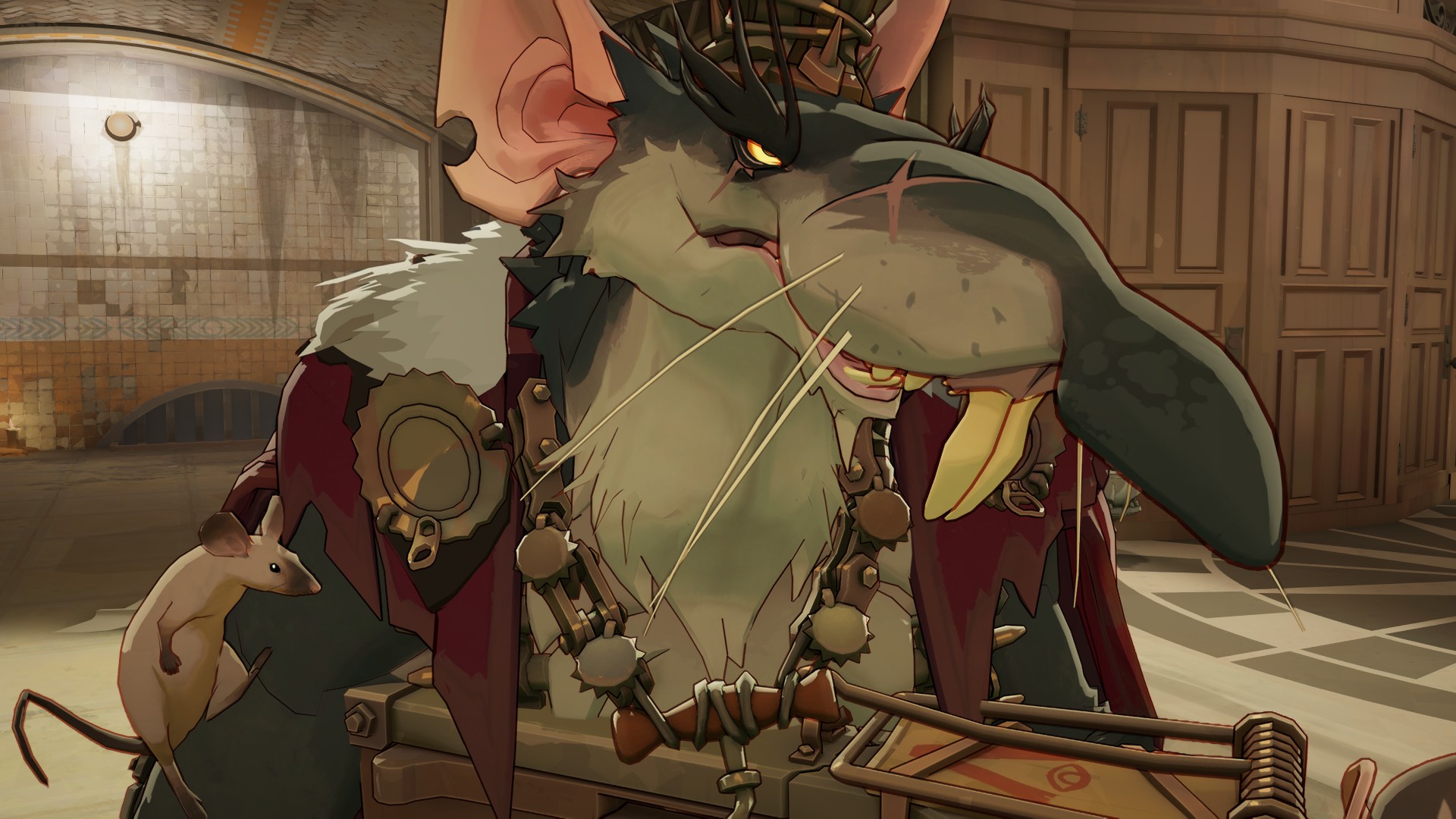
Image: Deadlock screenshot. Credit: PC Gamer. It is a Deadlock still, not a benchmark, so read it as a mood board for the current city rather than a performance number.
What City Never Sleeps changed
City Never Sleeps is the name of Deadlock's latest major update, and per the columnist it delivered two things at once: a spookier coat of paint for the city map and a slate of six new heroes. The headliner among them is the Rat King, a towering rat in a crown who throws rats at enemies and has over a hundred voice lines dedicated to the bit. The columnist admits to voting for the Rat King in some community poll and says that decision now haunts them, mostly because they keep getting chased down tunnels by it.
The update also reshuffles how players experience the city. New districts like Chinatown give more vertical, enclosed streets for fights to break out. The tunnels beneath the map, once a quiet farming loop, are now a place where squads hunt each other. The columnist notes that when a player is locked in combat, the map closes down tunnel entrances and exits, which turns a routine escape route into a dead end.
Per columnist:
| Area | Change reported in the column | Effect on play described |
|---|---|---|
| Heroes | Six new heroes added, first and loudest being the Rat King | Tunnel ambushes feel like stalking scenes because the Rat King hunts players directly |
| Map dressing | City given a spooky new coat of paint | Matches read more like a haunted district than a clean arena |
| Chinatown | New district added to the city | Close quarters where enemy heroes like Abrams can appear at your back unnoticed |
| Tunnels | Under-map tunnel network now used more often, and map seals tunnel gates during combat | Players like Rem get caught in dead ends and die in cold dark passages |
| Rat mechanics | Rat King throws rats such as Miguel, Jacques, or Abbie with an I | Projectile pressure replaces clean sightlines, so hiding does not feel safe |
| Hero Seven | Enemy Seven can ult from off-screen | The unseen hit from nowhere reads as a jump scare rather than a fair duel |
The pattern in that table is consistent. Every change the columnist names either removes information, removes space, or adds an unpredictable enemy. That is the anatomy of horror more than the anatomy of a lane.
The genre read
The column's thesis sentence is blunt: ignore the section tag, because while Deadlock may technically have the DNA of a MOBA or a third-person shooter, it is actually a horror game, and a bloody scary one. The columnist supports that with a personal account, not a patch-note recap. They play Rem most of the time, because Rem's kit includes running the tunnels to farm souls. Until recently those tunnels were quiet; per the column, enemy heroes like Calico and Mo are rarely encountered there, and even Krill seldom uses them. Then the Rat King arrived, and the tunnel loop became a hunt.
Per columnist:
| Label on the box | What the columnist says it used to mean | What City Never Sleeps makes it feel like |
|---|---|---|
| MOBA | Lanes, souls, items, base pressure | A stalker maze where the map punishes you for farming |
| Third-person shooter | Hero kits and fights readable from camera | Jump scares, shadow enemies, and ults from off-screen |
| Horror game | Not the marketing pitch | The working description: fear of the tunnels, the dark, and being hunted |
| Online multiplayer | Unpredictable humans | Amplifies all of the above, since a real person can chase a running player forever |
Personally, I find the read convincing as an emotional argument even if the mechanics underneath are still MOBA mechanics. Valve did not remove souls or towers. What it changed is where the tension lives. In a classic MOBA, tension comes from the objective timer. In the columnist's telling, tension now comes from the corner of your eye and the sound of a giant rat somewhere in an adjacent tunnel.
Why the tunnels feel like horror
Take the columnist's own anecdote apart and it is a clean three-beat horror scene. Beat one, they are farming souls with Rem, minding their own business. Beat two, something appears at the end of an adjacent tunnel and looks straight at them: the Rat King. Beat three, they turn and run, only to learn the map has sealed the exits because they are in combat, and they die in a cold dark tunnel with nothing to do about it. No jump scare works without all three beats, and the column's point is that all three now ship as default behavior.
The tunnel gates closing is the detail worth dwelling on. In shooter terms it is a zone mechanic. In horror terms it is the locked door. Every haunted-house story needs the corridor to shrink and the exit to fail. City Never Sleeps apparently turned that into standard map logic, at least when combat starts. The columnist says they had forgotten the rule until they ran head first into a grated exit, which is itself a very horror-coded moment: the trapdoor you forgot about is the one that gets you.
Real opponents make it worse. A scripted monster chases by design. A human Rat King chases because a person decided to. The columnist concedes they may be horror-coded themselves, and that any online multiplayer game is inherently scary because players are unpredictable and usually out for blood. That self-aware hedge is fair. Still, the gear Valve gave players, namely a crowned rodent with a throne of scrap metal and a deep voice, is specifically the kind of gear horror needs.
Chinatown and the city
The tunnels are the basement of the experience. Chinatown is the street level of it, and the column gives a second anecdote from there. The columnist was crossing a new district, looked back just once, and found the enemy Abrams directly behind them. Then the enemy Seven appeared out of thin air and ulting them down without real preamble. In game terms that is a flank plus a pick. In the columnist's framing it is a figure in a dark alley followed by a scream you did not see coming.
The district structure of the new city supports that. Narrow streets, corners, signage, and neon mean you rarely have full sightlines. A tactical shooter with full information feels different from a space with corners, even when both are made of the same polygons. Gould's piece argues the city layout now produces horror-pacing naturally, with long quiet walks punctuated by sudden deaths. If you have played Deadlock before and found it loud, this is the update to watch for quiet stretches.
It also explains why the columnist keeps saying the tunnels run cold. Deadlock's palette and lighting reportedly lean into wet streets and sealed tunnels. Combine a scary enemy roster with a map that hides them, and you get the central claim: the game is scary now, not just complex.
What this means for players
For returning players, the actionable takeaway is simple: expect the tunnels to be contested after City Never Sleeps. If you main Rem or any hero that farms underground, do not treat the tunnels as safe income. Check adjacent tunnels before you commit, remember that gates close once combat starts, and carry an escape plan that does not rely on the door you came in through.
For new players, the columnist's genre read is actually a kindness. If you open Deadlock expecting a polite MOBA, you will read every death as bad luck. If you open it expecting a horror game, every death is part of the genre promise, and the Rat King stops being a balance complaint and starts being the intended boss of the underlevels. First-person advice: pick a hero that does not depend on tunnels for its economy until you learn the gate timing.
For the wider genre debate, Gould is not claiming Valve rebuilt the game from scratch. Souls, items, and heroes are untouched in concept. The argument is experiential: the same systems now live inside a space designed to frighten you. That distinction matters when you argue with friends about whether Deadlock is a MOBA. It can be a MOBA mechanically and a horror game emotionally at the same time.
What to watch next: whether the spooky pass survives players getting used to the Rat King. Horror depends on the unknown, and a hero with a hundred rat voice lines may eventually read as a meme instead of a monster. The columnist's closing note suggests they will not be the one to disprove the theory anytime soon, because they plan to keep dying in the tunnels.
FAQ
Is Deadlock still a MOBA? Mechanically, yes. It keeps lanes, souls, items, heroes, and a base to break. Per PC Gamer columnist Elie Gould, though, the City Never Sleeps update makes it feel like a horror game first, so the old label now describes the skeleton rather than the experience.
What changed in the City Never Sleeps update? Per the column, it added six new heroes including the Rat King, a spookier coat of paint for the city, a new Chinatown district, and more dangerous tunnel play where the map seals exits during combat.
Why does the Rat King scare the columnist? The columnist mains Rem, who farms souls in the tunnels. The Rat King apparently patrols those tunnels, throws rats at players, and has been jump-scaring the columnist repeatedly, which is the core evidence for the horror-game read.
What happens when players fight in the tunnels? Per the column, once a player is locked in combat the map closes down tunnel entrances and exits. The columnist was trapped by a grated exit and died there, which is why the tunnels now feel like a locked-door trap.
Does the horror come only from the tunnels? No. The columnist also describes getting shoved into a wall by Abrams in Chinatown while Seven appeared from nowhere to ult them. Streets, corners, and unseen ults extend the fear beyond the underground.
Who is the columnist and should I trust the read? Elie Gould is a PC Gamer news writer, per the byline on the piece published October 6, 2026, with an admitted soft spot for horror games. The read is a personal column, so treat it as a well-argued opinion rather than patch-note canon.
Bottom line
City Never Sleeps did not change Deadlock's rules so much as its weather. Six new heroes, a crowned Rat King, a moodier city, the Chinatown district, and tunnel gates that seal during combat mean the map itself now plays the villain. Columnist Elie Gould's verdict on October 6, 2026 is that Valve's MOBA shooter now behaves like a horror game, and their tunnel deaths say the game is committed to that bit. If you play, enter the undercity accordingly: look both ways at the junctions, and do not forget that the exits close when the fighting starts.
Sources: This article is based on reporting and opinion originally published by PC Gamer: Deadlock isn't a MOBA or a third-person shooter anymore, City Never Sleeps has turned it into a horror game. All update facts and personal anecdotes above are attributed to that piece by Elie Gould, published October 6, 2026.