
Classic Revival Hints Old Blizzard May Return
By Indie Kings | October 14, 2026
Updated October 14, 2026: This analysis examines PC Gamer columnist Kwanghee Woo and his October 12, 2026 opinion column on whether Blizzard and its BlizzCon 2026 classic game revivals signal a return of old Blizzard, and the columnist answers that the old version is not back while finding room for cautious optimism.
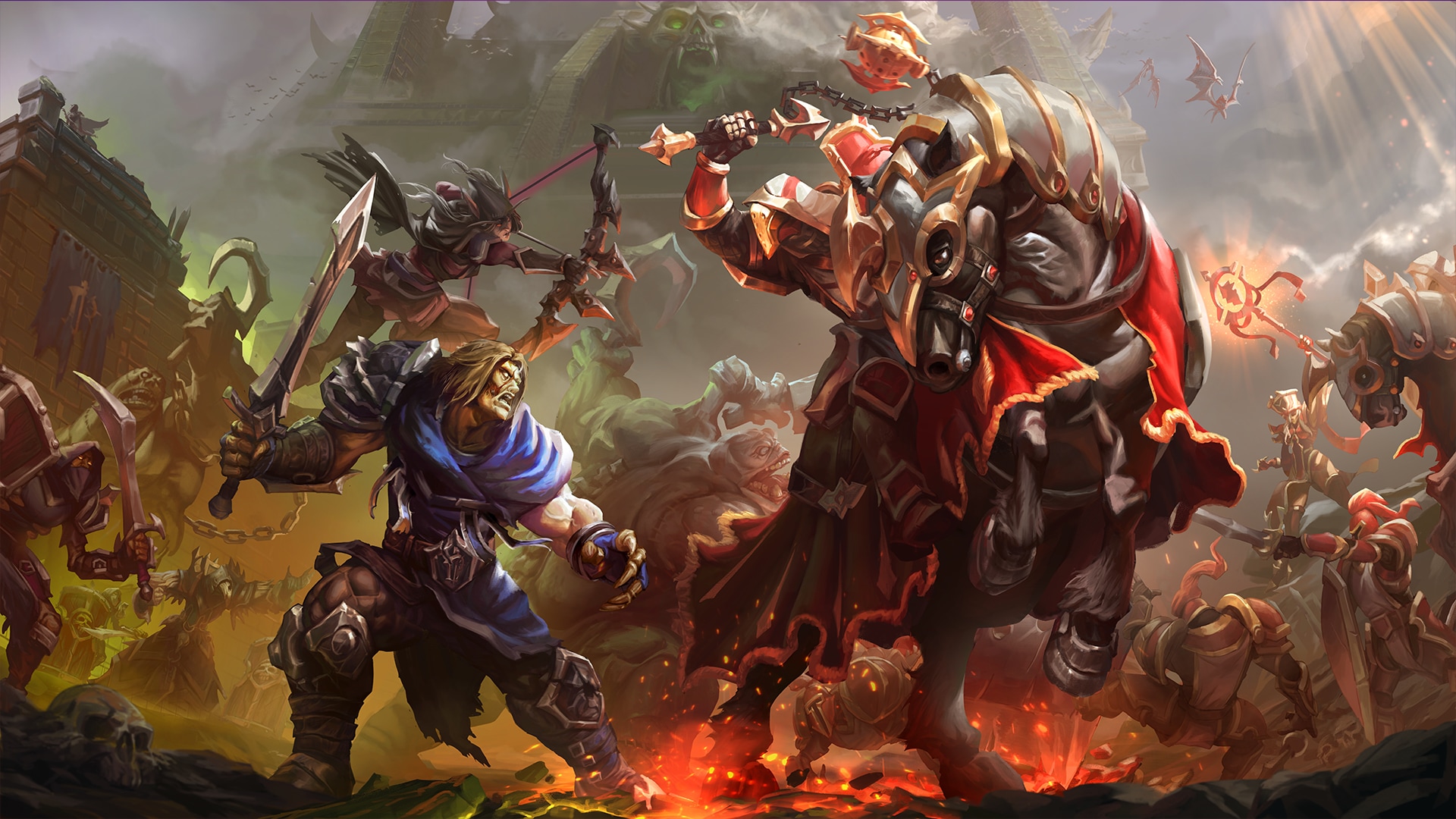
Image credit: PC Gamer.
Why the old Blizzard question matters
Per columnist Kwanghee Woo, there is a generation of millennial gamers haunted by an entity known as old Blizzard. The columnist describes that entity as an allegedly more competent, creative, and virtuous version of the present day Microsoft subsidiary based in Irvine, California. That framing matters because the column is presented as analysis and opinion, not as a news report that old Blizzard has returned. The columnist states directly that the old Blizzard people feel nostalgia for is not back, and may never be. The useful question, in the columnist reading, is narrower and more practical. It asks whether recent support for older games shows that some care for legacy communities has returned, even if the company itself has changed.
Per columnist Woo, part of the old Blizzard myth involved a perception of an honorable relationship with fans. The columnist says Blizzard may not have actively participated in every part of that mythmaking during its glory days, but the company enjoyed the perception. The columnist also says that even as the company became more corporate, some fans retained a belief in an implicit pact. The columnist phrases that pact as the idea that Blizzard would never give up on a game before its community did. That claimed pact is central to the analysis. It explains why maintenance mode decisions sting in a way that goes beyond server status or patch cadence. It also explains why a small revival can carry symbolic weight larger than its commercial size.
The columnist writes from a particular vantage point. PC Gamer identifies Woo as a contributor and a veteran of the StarCraft scene, with coverage for community hub TL.net since 2002, and current involvement in community efforts to keep StarCraft 2 updated in cooperation with Blizzard. That background does not make the verdict neutral in the sense of an outside audit. It makes the piece an informed community adjacent reading of Blizzard behavior. This Indie Kings article treats the PC Gamer piece accordingly. It summarizes the columnist argument, separates reported BlizzCon facts from the columnist interpretation, and marks forward looking assessments plainly where the future is discussed.
For readers who want the short version before the detail, the columnist position has three parts. First, BlizzCon 2026 contained major new announcements alongside smaller legacy revivals. Second, the legacy revivals for Heroes of the Storm and Warcraft 3 are meaningful goodwill signals, though limited and qualified. Third, the Diablo situation shows the limit, because Diablo 3 remains without new content while anniversary attention goes elsewhere. The conclusion is therefore mixed. There is still a heart beating at the core of Blizzard, in the columnist phrase, but readers should not mistake selective support for a full return to an earlier era.
BlizzCon 2026 slate in brief
Per columnist Woo, BlizzCon 2026 felt like a nod to the good old days of Blizzard, at least in terms of ambition and scale. The columnist lists major announcements including World of Warcraft Forever, Diablo 5, and an open world shooter in the StarCraft universe. Those three items establish the scale of the show in the columnist account. They are the large new game signals that would naturally dominate headlines and stage time. The columnist does not present this article as a source for release dates, platforms, pricing, or gameplay detail for those projects. The column uses them mainly as context for a different claim. The most meaningful moment, in the columnist judgment, may have been smaller and earlier in the program.
That moment was the opening reveal described in the column. Blizzard president Johanna Faries announced that Heroes of the Storm would receive Xal'atath as a new playable character, described as a World of Warcraft big bad. The audience response is described by the columnist as tepid. That description is important because it supports the columnist interpretation of intent. The columnist argues that Blizzard surely prepared many versions of its stage presentation and would have known that a Heroes of the Storm hero would register less strongly than the rest of the slate. From that premise, the columnist asks whether placing that announcement first was a conscious conciliatory choice rather than a quirk of sequencing. That is explicitly presented as interpretation, not as a confirmed account of internal planning.
Readers should keep the categories clear. The large announcements show ambition and scale. The Heroes of the Storm reveal shows attention to a smaller community. The columnist values the second category for what it signals about company posture, even while acknowledging that it drew a muted live reaction. Forward looking assessment, plainly marked as analysis rather than confirmed fact: if Blizzard continues to place lower commercial priority legacy support in visible stage time, that pattern would strengthen the goodwill reading. If BlizzCon 2026 proves to be a one year exception, the signal weakens. The column itself does not promise either outcome.
| Announcement | How the columnist frames it | Why it matters to the old Blizzard question |
|---|---|---|
| World of Warcraft Forever | Major announcement showing ambition and scale | Shows event scope, but scale alone does not answer whether legacy care has returned |
| Diablo 5 | Major announcement alongside Warcraft and StarCraft plans | Shows forward investment, while the columnist contrasts it with absence of Diablo 3 support |
| Open world shooter in the StarCraft universe | Major announcement completing the large slate | Shows willingness to revisit a classic universe in a new form, distinct from patching an old game |
| Heroes of the Storm new hero Xal'atath | First reveal, tepid response, first new hero in six years | Central goodwill signal in the columnist reading because the audience is small and the choice was visible |
| Warcraft 3 Forsaken Kingdom campaign | Full length DLC released over BlizzCon weekend | Second goodwill signal, aimed at a 24 year old RTS classic with a difficult remaster history |
Per columnist Woo, the show therefore worked on two levels. One level was headline scale. The other level was community repair. The columnist is more interested in the second level because it speaks to trust. A large sequel can be explained by commercial logic alone. A new character for a niche MOBA in maintenance mode is harder to explain that way, which is why the columnist treats it as a possible values signal. The next sections examine whether that reading holds for each legacy case.
Heroes of the Storm revival
Per columnist Woo, Heroes of the Storm is Blizzard and its niche MOBA that had been relegated to bare bones maintenance mode in 2022. The BlizzCon announcement was that the game would welcome Xal'atath as a new playable character. The columnist notes that this is the first new hero after six years. That time gap is doing much of the analytical work. A six year gap followed by a visible stage announcement suggests resumed active development in at least a limited form. The columnist does not claim a full relaunch, a roadmap, or grand promises. The claim is deliberately smaller. Blizzard appears to be expressing that continued support for a game before its community leaves remains a standard worth honoring.
The columnist places that move against industry practice. Sunsetting games that fail to reach commercial benchmarks is described as widespread. From a commercial perspective, the columnist notes, backlash to Heroes of the Storm being put on ice could have been viewed as unrealistic or entitled, especially since servers were not shut down. Yet the columnist argues that many fans did not need hundreds of hours in the game to understand a sense of betrayal. The reason returns to the implicit pact idea. If fans believed Blizzard held itself to a higher standard of persistence, then maintenance mode felt like a break with identity, not only a resource decision. Resumed development, even in modest form, therefore reads as an attempt to live up to that older standard.
Per columnist Woo, the revival comes with careful limits. There are no roadmaps or grand promises regarding the future of Heroes of the Storm. The columnist cites James Yen, described affectionately as Janitor, and says Yen has managed tone in interviews to focus on sustainability and to keep the we are so back mentality from getting out of hand. That caution is presented as appropriate rather than disappointing. For the time being, the columnist says, the state of affairs appears more than acceptable to the Heroes of the Storm community. There is an air of optimism that has not existed in years. The columnist adds a textured detail. Players are getting a World of Warcraft Classic style nostalgia rush out of complaining about how overtuned Xal'atath is at release. In other words, balance complaints themselves have become a sign of life.
This is where the columnist makes a broader economic point. The most cynical interpretation, which the columnist states and then questions, is that nothing truly changed and each legacy decision passed a cost benefit test. The columnist argues that even without access to internal figures, it is hard to imagine a decision maker describing a new Heroes of the Storm hero as the profit maximizing investment or as the large public relations move that would win everyone back. Instead, the columnist suggests that limited opportunities to be the good guy are emerging, and developers with affinity for specific franchises have been in place to seize them. Forward looking assessment, plainly marked as analysis rather than confirmed fact: Heroes of the Storm support will likely remain sustainable and narrow rather than expansive, because the columnist emphasizes sustainability and the absence of roadmaps. Readers should treat further heroes, balance attention, and event support as possible but not promised.
| Game | Status described | Qualifier stressed by the columnist |
|---|---|---|
| Heroes of the Storm | Resumed active development with Xal'atath after six years | No roadmap, sustainability focus, optimism remains cautious |
| Warcraft 3 Reforged | Received updates culminating in Forsaken Kingdom full length campaign | Reception not universally positive, price and legacy complaints remain |
| Diablo 3 | Unofficial maintenance mode with no new content in active development | Absence is conspicuous during 30th anniversary attention elsewhere |
| Diablo 1 Resurrected, Diablo Immortal, Diablo 4 | Huge updates rolling out in anniversary year | Shows selective rather than uniform legacy support |
| World of Warcraft forks | Third different fork announced | Used by columnist to question why Diablo variety is more limited |
Warcraft 3 Reforged and Forsaken Kingdom
Per columnist Woo, Warcraft 3 Reforged had a disastrous launch in 2020. Gamers criticized the quality of the remastered graphics, the lack of multiplayer features, and the general feeling that the project needed more time before release. That history matters because it sets the baseline against which Forsaken Kingdom is judged. The columnist says Reforged has received several updates since launch, culminating in the release of Forsaken Kingdom over BlizzCon weekend. The columnist describes Forsaken Kingdom as a brand new full length DLC campaign. In a related description referenced by the column, it is the first new campaign in 23 years for a 24 year old RTS classic. Those numbers explain why the columnist calls it a meaningful moment even while withholding a claim of full redemption.
Per columnist Woo, reception has not been universally positive. The columnist identifies sticker shock around the $30 price point. The columnist also notes lingering complaints from the original Reforged launch that may be impossible to address realistically. That second point deserves care. Some launch era grievances involve architecture, feature restoration, trust, and taste in art direction. A single campaign, however substantial, cannot reverse every one of those issues. The columnist does not argue otherwise. The columnist instead offers a community level generalization with an explicit caution about generalizing. At the risk of generalizing across ultra traditionalist player versus player gamers and casual fans drawn mainly to story, the columnist says most players seem to agree that Forsaken Kingdom is a positive and notable event for the old RTS.
The analysis here parallels the Heroes of the Storm section but with a different texture. Heroes of the Storm is about restarting attention after maintenance mode. Warcraft 3 is about continuing repairs after a poor remaster launch and then adding genuinely new content. Both fit the columnist theme of oxygen reaching a loved game. Both also fit the limit theme. Neither is framed as proof that old Blizzard has returned. They are framed as evidence that goodwill opportunities exist and can be taken when the right developers and projects align. Forward looking assessment, plainly marked as analysis rather than confirmed fact: future Warcraft 3 support may depend on how Forsaken Kingdom is received at that price, but the column does not provide sales data or a commitment to further campaigns, so readers should not treat another campaign as confirmed.
For RTS readers in particular, the columnist point has wider resonance. A full length campaign for a decades old strategy game is unusual in an industry that often prefers sequels, remasters without new missions, or balance patches alone. The columnist does not claim that every old RTS should receive the same treatment. The argument is that such support is possible and welcome when it happens. That modest framing helps keep the piece credible. It praises Forsaken Kingdom as a positive development without turning one DLC into a verdict on corporate identity.
Diablo contrast and maintenance mode
Per columnist Woo, the Diablo series may reveal where renewed care for legacy games can only go so far. Shortly ahead of Diablo 4 and its release in 2023, Diablo 3 was put into unofficial maintenance mode, with no new content being actively developed. That status is then contrasted with anniversary year activity. Huge updates for Diablo 1 Resurrected, Diablo Immortal, and Diablo 4 have been rolling out in celebration of the series 30th anniversary. The absence of Diablo 3 content is described as conspicuous. It is especially notable, in the columnist account, because Blizzard has lauded the staying power of Diablo 3 and its millions of players.
The columnist offers a plausible commercial explanation while marking it as presumption rather than inside knowledge. Fears of user cannibalization are presumed to keep resources for the mainline series committed to Diablo 4 and later to Diablo 5. The columnist says that logic makes sense when one reluctantly puts on a shareholder hat. In other words, concentrating development on the current flagship can be rational even if it disappoints fans of the prior entry. The columnist then raises a counter question. With World of Warcraft announcing its third different fork, the columnist asks why Blizzard appears averse to letting Diablo fans sample a wider variety of demon flesh. That contrast is not resolved with internal data. It is posed as a tension worth noticing.
This section is essential to the honesty of the column. Without it, the article could read as a simple celebration of two revivals. With it, the argument becomes selective and conditional. Some legacy communities receive oxygen. Others do not, even when player counts remain substantial. That selectivity supports the columnist broader claim that old Blizzard is not simply back. A full return would imply a consistent philosophy across franchises. What the columnist observes instead is uneven support shaped by opportunity, staffing affinity, commercial priority, and perhaps franchise structure. Forward looking assessment, plainly marked as analysis rather than confirmed fact: Diablo 3 players should not infer from anniversary activity elsewhere that new Diablo 3 content is planned, because the column reports no such development and emphasizes the maintenance status.
What cautious optimism means here
Per columnist Woo, even in harder to placate corners of Blizzard fandom, BlizzCon gave reason for cautious optimism. That phrase is doing careful work. Cautious means limited, reversible, and short of a verdict. Optimism means genuine rather than sarcastic. The columnist does not say trust has been restored. The columnist says an air of optimism has returned in places where it had been absent for years. That distinction matters for readers deciding how much weight to give the show. It invites attention without inviting credulity.
The columnist grounds that mood in concrete community reactions rather than abstract brand sentiment. Heroes of the Storm players show renewed engagement. Complaints about an overtuned new hero function as community vitality rather than rejection. Warcraft 3 players, across competitive and story focused segments, largely welcome a full length campaign even amid price debate. Those are observable responses, as relayed by the columnist, not forecasts about next year. They show that small investments can produce disproportionate goodwill when a community has felt neglected. They do not show that the underlying business model has changed.
The columnist also resists the profit maximizing dismissal while acknowledging its force. The cynical view says every legacy move passed a cost benefit test and therefore proves nothing about values. The columnist response is probabilistic and human rather than documentary. It is hard to picture a new Heroes of the Storm hero as the top profit choice or as a masterstroke to restore reputation at scale. It is easier to picture developers with franchise affinity using a limited opening to do right by a community. That is an inference about motive, not a report of meeting notes. This Indie Kings article preserves that boundary. Motive is presented as the columnist interpretation. The confirmed facts are the releases, the timing gaps, the maintenance history, and the stated sustainability caution.
There is also a useful lesson here for how to read live event sequencing. The columnist treats opening slot placement as potentially meaningful. Leading with the smallest revival could be conciliatory theater. It tells a neglected audience that it is seen first, even if the loudest cheers will come later. That reading cannot be verified from outside the production room. The columnist presents it as a question worth asking, not as fact. Readers should adopt the same discipline. Notice the symbolism, weigh it alongside substance, and avoid turning stage order into proof of strategy.
What would matter beyond goodwill
Per columnist Woo, the old Blizzard of nostalgia is not back and may never return. That sentence sets the ceiling for this section. The question is what would justify moving from cautious optimism to a stronger claim. The column does not supply a checklist, so the following points are forward looking assessments and analytical extensions, plainly marked as such, built only from facts already discussed. They are not reports of planned Blizzard actions.
Forward looking assessment, plainly marked as analysis: sustained Heroes of the Storm support beyond one hero would matter more than the initial reveal. The columnist stresses no roadmaps and a sustainability focus. If future support includes continued balance attention and transparent communication at the same modest cadence, the goodwill reading gains durability. If support stops after the launch window for Xal'atath, the revival will look symbolic rather than structural. Readers should watch maintenance language, interview tone, and patch continuity rather than stage slogans.
Forward looking assessment, plainly marked as analysis: Warcraft 3 would benefit less from promises than from continued repair plus clear expectations. The columnist notes updates since 2020 and lingering launch complaints that may be unfixable in practice. A durable signal would therefore be steady technical attention alongside any new content, plus honest framing about what cannot be restored. Price sensitivity around the $30 campaign also matters. If value perception improves through quality and stability, the campaign precedent strengthens. If discussion remains dominated by unresolved launch grievances, the goodwill effect narrows to story fans.
Forward looking assessment, plainly marked as analysis: Diablo remains the test of breadth. The columnist contrast between World of Warcraft and its third fork and Diablo and its narrower support raises a fair question about variety. A broader legacy posture would give Diablo 3 players some form of meaningful attention, even if not a full content pipeline. The column does not promise that outcome and presumes commercial concentration on Diablo 4 and Diablo 5. Readers should therefore treat Diablo breadth as an open question, not as an implied commitment.
Across all three cases, the columnist standard is modest and therefore usable. Look for oxygen, not resurrection. Look for developers with franchise affinity being allowed to act. Look for sustainability language matched by action. Do not look for a corporate time machine. That framing protects readers from both reflexive cynicism and reflexive hype. It also matches the columnist closing image. There is still a heart beating at the core of Blizzard, and if one is lucky, some oxygen might find its way to the game one loves. That is consolation and encouragement, not a guarantee.
FAQ
What is the PC Gamer column actually asking? Per columnist Kwanghee Woo, the question is whether revival of classic games signals a return of old Blizzard, and his answer is that old Blizzard is not back, though BlizzCon 2026 gives reason for cautious optimism.
What did BlizzCon 2026 include according to the columnist? Per columnist Woo, the slate included World of Warcraft Forever, Diablo 5, an open world shooter in the StarCraft universe, a Heroes of the Storm hero reveal, and the Warcraft 3 Forsaken Kingdom campaign release.
Why does the Heroes of the Storm hero matter so much? Per columnist Woo, Xal'atath is the first new Heroes of the Storm hero in six years after maintenance mode began in 2022, so the visible stage reveal reads as a goodwill signal despite a tepid live response.
What is Forsaken Kingdom in the columnist account? Per columnist Woo, it is a brand new full length Warcraft 3 campaign released over BlizzCon weekend for a 24 year old RTS, following updates after the difficult 2020 Reforged launch, with debate around its $30 price.
Why does Diablo 3 complicate the optimistic reading? Per columnist Woo, Diablo 3 sits in unofficial maintenance mode with no new content in active development while Diablo 1 Resurrected, Diablo Immortal, and Diablo 4 receive anniversary attention, despite millions still playing Diablo 3.
Should readers expect more legacy revivals as confirmed? No. Forward looking caution applies here. The columnist reports no roadmaps for Heroes of the Storm, emphasizes sustainability, and offers no promise of further campaigns or Diablo 3 content, so future support should be treated as possible but unconfirmed.
Bottom Line
Per columnist Kwanghee Woo, BlizzCon 2026 paired large scale ambition with small but meaningful legacy repair. Heroes of the Storm received its first new hero in six years. Warcraft 3 received a full length campaign after years of updates following a difficult remaster launch. Those moves justify cautious optimism, especially because they are hard to explain as pure profit maximization. Yet Diablo 3 remains in unofficial maintenance mode, Heroes of the Storm has no roadmap, and Warcraft 3 still carries price and legacy launch debate. The old Blizzard of nostalgia is therefore not back. What remains, in the columnist phrase, is a beating heart with limited oxygen for loved games. Readers should value the goodwill, watch for sustained action, and avoid mistaking selective care for a full return.
Sources
Column and facts attributed throughout to PC Gamer columnist Kwanghee Woo, published October 12, 2026: PC Gamer column on classic revival and the old studio question.