
Forever Classes Skip Modernization Add Depth Mechanics
By Indie Kings | October 14, 2026
Updated October 14, 2026: World of Warcraft Forever classes will not be modernized, per TechRadar relaying Blizzard, but the simplest Classic classes gain a few new mechanics for engaging depth ahead of the November 4 launch.
Per TechRadar relaying Blizzard, the World of Warcraft Forever team confirmed its class direction in an interview with TechRadar Gaming. Standing: classes stay aligned with the Classic experience and avoid modernization, while targeted additions address Classic specs that felt too simple or showed wild power swings.
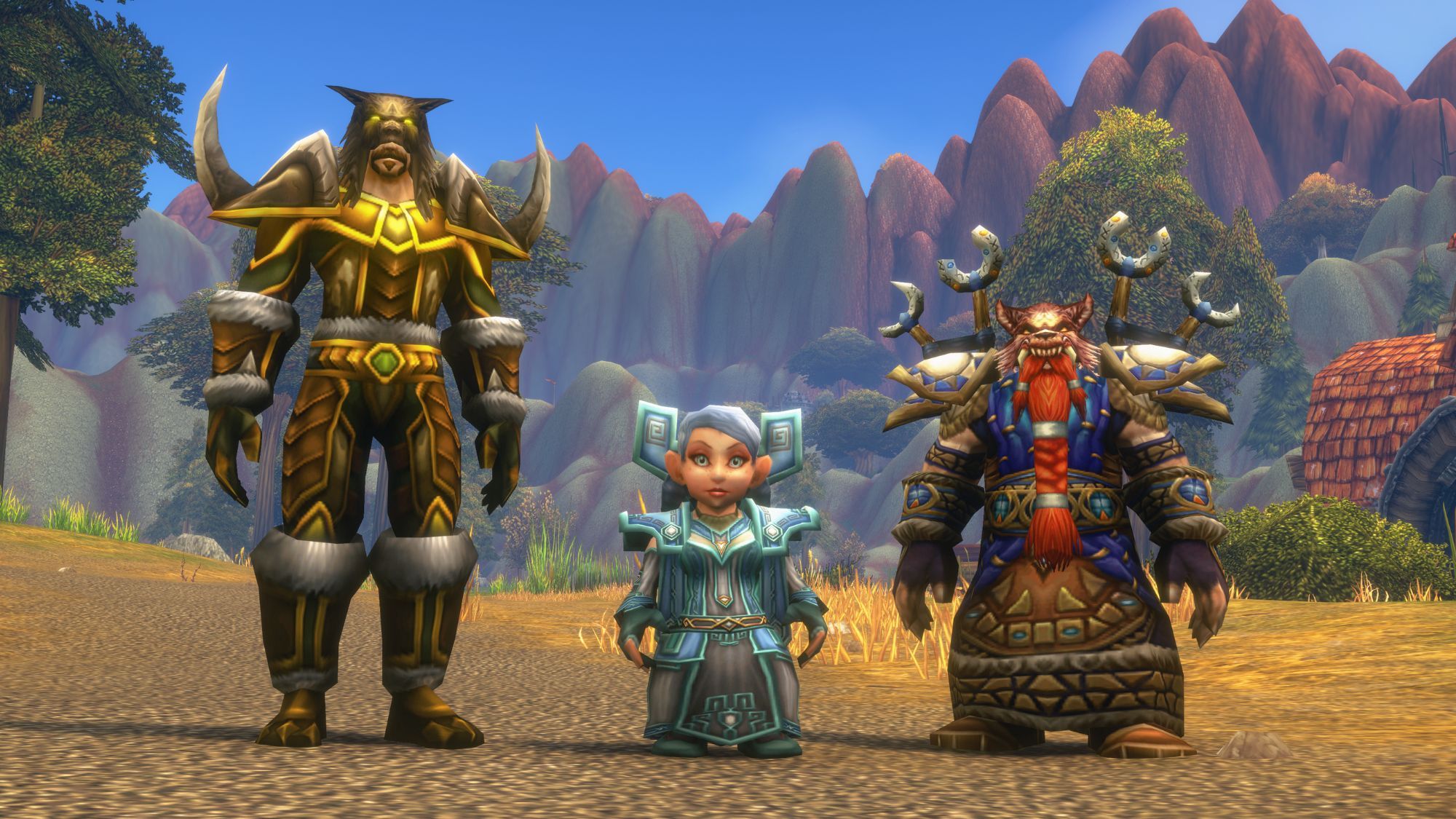
Image: WoW Forever classes artwork. Credit: TechRadar.
No modernization for Forever classes
Per TechRadar relaying Blizzard, World of Warcraft Forever classes will not be modernized. The report, written by Demi Williams with contributions from Alex Whitelock and published October 10 2026, states the position directly. Blizzard wants the Classic Plus experience to remain alongside the changes. That sentence matters because it frames every other class decision in the interview.
The team told TechRadar Gaming that it does not plan to dramatically alter vanilla classes fans are familiar with. Instead it wants to build on them to make them more engaging as part of its design framework. The distinction is deliberate. Modernization would imply importing current retail systems, speeds and toolkits. Building on vanilla implies keeping the familiar kit and adding small pieces where needed.
This choice responds to a long history. Per TechRadar relaying Blizzard, World of Warcraft has undergone many class and balance changes over the years in both retail and Classic. Players therefore arrive with strong expectations. Some want preservation. Some want fixes. The Forever team answers both by holding the line on identity while allowing limited mechanical growth.
The timing adds weight. The article notes that World of Warcraft Forever launches next month relative to its October 10 publication date, and later gives the live date as November 4. A launch that close to the interview means the class philosophy is not theoretical. It is the standard that beta feedback and live balance will be judged against.
For players choosing a main, the practical read is stability of fantasy. A vanilla class should still feel like itself in Forever. Rotation shape, role in a group and pace in the world should remain recognizable. Per TechRadar relaying Blizzard, dramatic alteration is off the table, so someone returning for a familiar toolkit is not being asked to relearn the game from zero.
For group play, the same stance protects social expectations. Classic groups form around known strengths and limits. Tanks, healers and damage roles understand what each class brings. When classes are not modernized, that shared knowledge survives. A leader inviting a given spec still knows roughly what is joining.
The report also ties this stance to tone. Blizzard wants to serve the Classic ethos while also adding things to freshen up the vanilla experience. Those two clauses pull in opposite directions, and the team is explicit that ethos comes first. Freshening is allowed only when it still serves the original feel.
This is why the word modernized carries so much load in the headline. It signals what will not happen. No retail speed reset. No wholesale kit replacement. Per TechRadar relaying Blizzard, the Forever team prefers restraint, and restraint is presented as a design value rather than a lack of ambition.
The interview context reinforces that reading. This class detail comes from an interview with TechRadar Gaming, not from a patch note or a datamine. It is a statement of intent from the team building the game. That makes it useful for setting expectations, even though numbers can still move in beta and after launch.
The no modernization rule also shapes how to interpret every later quote about depth, pacing and encounters. Each of those quotes adds something, but none of them overrides the base commitment. Depth is added inside a Classic frame. Pacing stays Classic. Encounters stay approachable. The frame holds.
Engaging depth for too simple classes
Per TechRadar relaying Blizzard, some Forever classes will receive more engaging depth because some Classic classes felt too simple. The team plans to err on the side of simpler classes, but with engaging depth. The company further explained that some classes in the Classic era were too simple, so those have gained a few mechanics.
The wording is careful. Simpler remains the default. Engaging depth is the qualifier. A few mechanics is the scale. This is not a promise of new resources for every spec or a second rotation layered on top. It is a targeted fix for cases where moment to moment play felt thin.
The article connects this to spec quality as well. Per TechRadar relaying Blizzard, some classes or specs had wild power swings and sometimes uninteresting gameplay. That pairing is important. One problem is numerical, where output rises and falls more than intended. The other problem is experiential, where the buttons themselves do not hold attention. The team says both are things it wants to improve upon.
The limit on that improvement is stated in the same passage. Changes should happen without drastically speeding up the game or making it overly complex or unapproachable. Speed, complexity and approachability are therefore hard constraints. A proposed mechanic that solves simplicity but breaks pacing fails the test.
The beta is given as the reference point for scale. Per TechRadar relaying Blizzard, the level of mechanical complexity found in the beta classes is indicative of intentions. Players testing beta can therefore treat what they feel as representative of direction, even while specific tuning remains in flux. The feel should be close. The numbers may still move.
This also clarifies who benefits most. Players of specs that already had full rotations and clear decisions may notice less change. Players of specs that pressed very few buttons or waited through long gaps are the intended beneficiaries. A few well chosen mechanics can change those specs from passive to participatory without changing their identity.
Depth here does not mean difficulty for its own sake. The phrase used is engaging depth, which points to decisions, timing and preparation rather than raw actions per minute. A mechanic counts if it gives the player something meaningful to notice and answer. It does not count if it only adds noise.
The report keeps this inside the Classic Plus idea. Depth additions are part of building on vanilla rather than replacing it. That means additions should feel like natural extensions of existing toolkits. A new interaction should make sense next to old spells and attacks, not feel imported from a different era of the game.
There is also a social dimension. When a simple spec gains a few mechanics, its player has more to contribute and more to discuss. Preparation, cooldown timing and group coordination become shared topics. That supports the social pillar discussed below, because engaged players talk, plan and return together.
The key test for launch will be whether these additions read as freshening rather than modernizing. Per TechRadar relaying Blizzard, freshening is welcome when it serves the original pacing and tone. Modernizing is not the goal. The beta complexity line is the public yardstick for that judgment.
Classic Plus and the four design pillars
Per TechRadar relaying Blizzard, the Forever team wants to make a Classic Plus experience centered around four design pillars. The pillars are named as Nurture and Protect Social Experiences, Approachable and Familiar, World as the Main Character, and Journey before destination. The article says these pillars help the team build on the vanilla experience while staying true to the established core design, pacing and tone.
Each pillar constrains class work in a different way. Nurture and Protect Social Experiences means class decisions should support grouping, reputation and repeated contact. Classes that encourage players to adventure, prepare and return ready reinforce that pillar. Classes that let players skip the world or skip other people weaken it.
Approachable and Familiar means a returning player should recognize the game. Buttons, roles and dungeon behavior should feel known. Per TechRadar relaying Blizzard, this pillar is explicitly named again when the team discusses encounter design. Alignment with core values is centered on Approachable and Familiar, which shows how central readability is to the whole project.
World as the Main Character means systems should push players out into the world rather than collapsing everything into queues and ports. The article later connects this logic to preparation and travel. Classes fit this pillar when they reward gathering, planning and moving through zones, not when they bypass geography.
Journey before destination means pacing and progression matter as much as rewards. Slower combat, meaningful talent choices and costly respecs all serve this pillar. Per TechRadar relaying Blizzard, talent decisions should be meaningful, which is a direct expression of journey thinking applied to classes.
The pillars also explain the interview line about creativity. Per TechRadar relaying Blizzard, the team wants to empower its developers to be creative and surprise the player, but everything must point back to the core pillars. Surprise is therefore allowed, but only inside the frame. A surprising mechanic that still feels Classic passes. A surprising mechanic that breaks familiarity does not.
This framework helps players interpret beta changes. When a class gains a mechanic, the question is not only whether it is strong. The questions are whether it protects social play, whether it stays approachable, whether it keeps the world central, and whether it respects the journey. Those four checks decide whether an addition belongs in Classic Plus.
The pillars also explain why modernization is rejected. Modern systems often optimize for speed, convenience and individual throughput. Those goals can conflict with social protection, world centrality and journey pacing. By naming its pillars first, the team gives itself a principled reason to say no to popular modern requests.
For guilds and communities, the pillars are a planning tool. Recruitment, raid nights and leveling groups can assume slower pacing and preparation heavy play. Per TechRadar relaying Blizzard, the team studied Classic dungeon and raid content to recover that feel, so community rhythms built around Classic should transfer with less friction.
The four pillars therefore function as both promise and filter. They promise continuity of core design, pacing and tone. They filter out additions that would freshen the game at the cost of its identity. Class depth lives or dies by that filter.
| Pillar | Class implication | What stays protected |
|---|---|---|
| Nurture and Protect Social Experiences | Add mechanics that reward grouping and preparation | Group roles and repeated contact |
| Approachable and Familiar | Keep kits readable and recognizable | Return player knowledge |
| World as the Main Character | Reward adventure and preparation in the world | Travel and gathering relevance |
| Journey before destination | Keep talent choices meaningful and paced | Progression weight |
Pacing and combat speed stay Classic
Per TechRadar relaying Blizzard, the team likes the pacing and combat speed of original World of Warcraft. All changes to classes or raid content need to still serve that pacing while also adding things to freshen up the vanilla experience. That sentence joins preservation and novelty in one requirement.
Pacing here covers more than swing timers. It covers how fast decisions arrive, how long fights last, how much downtime sits between pulls, and how much preparation happens before combat. Original pacing gives players time to talk, mark targets, drink, buff and reposition. Faster combat compresses those windows. The team is saying those windows have value.
This is also where the warning about power swings belongs. Per TechRadar relaying Blizzard, some classes or specs had wild power swings or uninteresting gameplay. A wild swing distorts pacing because groups must play around spikes rather than around steady roles. Smoothing those swings protects pacing without requiring faster buttons.
Uninteresting gameplay is treated as a pacing problem too. If a spec has little to do, its player experiences the same slow pace as emptiness rather than rhythm. A few mechanics can fill that time with choices. The pace stays Classic. The attention inside that pace improves.
The freshening clause matters because it permits visible change. Adding things to freshen up the vanilla experience can include new interactions, clearer feedback or better preparation loops. The test is whether the addition still serves original speed. If a new mechanic forces everyone to play faster, it fails even if it is fun in isolation.
This stance also affects raid content. The article ties class changes and raid content changes to the same pacing rule. Both need to serve original speed. That prevents a mismatch where classes stay slow but encounters demand modern reaction times, or where encounters stay slow but classes spike too hard.
For damage, healing and tanking, the implication is steadier output bands with more interesting maintenance. A damage spec might manage a proc or a positioning requirement rather than simply hitting harder. A healer might plan mana and buff windows rather than reacting to burst. A tank might manage threat and preparation rather than relying on spike mitigation. Each of those fits slower combat while adding engagement.
The team frames this as improvement without transformation. Per TechRadar relaying Blizzard, the goal is to improve upon wild swings and thin gameplay without drastically speeding up the game or making it overly complex or unapproachable. Drastically, overly and unapproachable are doing real work in that sentence. They set the boundary.
Players evaluating beta should therefore watch fight feel more than meter highs. Does a dungeon pull still breathe. Does a raid boss still allow calls and recovery. Does a rotation still leave room for awareness. If yes, the pacing rule is holding even as numbers move.
This pacing commitment is also the clearest link back to no modernization. Modern class design often raises actions per minute and shortens decision windows. By holding original speed as a requirement, the team rules out that whole direction. Depth must fit inside Classic time.
Encounters stay approachable and familiar
Per TechRadar relaying Blizzard, encounter design follows the same values as class design. When considering encounter design, the team wants to align those with core values, namely Approachable and Familiar. That alignment keeps dungeons and raids readable for players who know Classic.
The method is also described. The encounter team played a lot of Classic dungeon and raid content to truly get an understanding of how the Classic game felt. That play study led to a finding. Encounters that were very approachable and systems that encouraged players to go out into the world, adventure, prepare and come back ready defined the feel.
Preparation is the bridge between classes and encounters. Classes that reward buffs, consumables, resistance planning and route knowledge make encounters feel fair at slower speeds. Encounters that reward that preparation make those class mechanics feel meaningful. The two sides reinforce each other.
Approachable does not mean trivial. It means readable intent, fair telegraphs and recoverable mistakes. A group can understand what went wrong and adjust. Familiar does not mean repeated. It means new challenges still speak the language of Classic pulls, patrols, crowd control and threat.
The creativity quote belongs here as well. Per TechRadar relaying Blizzard, the team wants to empower developers to be creative and surprise the player, but everything must point back to the core pillars. In encounter terms, surprise might mean a new twist on a known pull or a preparation check in a new place. It should not mean an unreadable overlap that only modern toolkits could answer.
This also limits how hard new class mechanics can push encounters. If a few specs gain depth, encounters should still be clearable by the full roster at Classic pace. Depth should create comfort and expression, not gatekeeping. Approachable encounters keep that promise.
For raid leaders, the message is continuity. Study habits from Classic retain value. Positioning, preparation, pull planning and consumable discipline still matter. New mechanics add texture, but they do not replace fundamentals.
For new players, the message is invitation. Approachable and Familiar lowers the entry cost. A newcomer can learn by watching, because Classic paced fights show their logic. That readability is part of why the team protects slower speed.
The encounter stance therefore completes the class stance. Classes stay recognizable and gain limited depth. Encounters stay readable and reward preparation. Both serve the same pillars and the same pace.
| Area | Preserved from Classic | Targeted addition in Forever |
|---|---|---|
| Class identity | Familiar vanilla kits and roles | A few mechanics for too simple classes |
| Combat feel | Original pacing and combat speed | More engaging moment to moment decisions |
| Power profile | Slower steadier output bands | Less wild swinging between specs |
| Encounters | Approachable readable dungeons and raids | Creative surprises tied to pillars |
| Preparation | Adventure gather and return ready | Systems that keep world travel relevant |
| Progression | Meaningful talent decisions | Dual specialization with costly respecs |
Dual specialization and respec rules
Per TechRadar relaying Blizzard, the game already has Dual Specialization, which can be learned at level 40 for a cost, but there are no plans to go past that. That sentence sets both the convenience offered and the limit. Two specs are supported. More than two is not planned.
The cost detail matters. Level 40 plus a price means the second spec is an earned convenience, not a free starting option. It arrives after players have learned their first role and invested in the world. That timing fits Journey before destination, because the unlock marks progress rather than skipping it.
The respec rule is stricter. Per TechRadar relaying Blizzard, the team does not want to have cheap respecs. The first respec every hour is temporarily cheap in the beta. When the game goes live, the price of respec will climb quickly and only decrease once per week. Talent decisions are meant to be meaningful, and price is the mechanism that makes them stick.
The weekly decrease is the key number. A cost that falls only once per week punishes frequent flipping between builds. Players can still adjust, but each change has a consequence that lasts. That encourages planning, discussion and commitment to a role for a raid night or a leveling stretch.
The beta exception is temporary by design. A cheap first respec every hour lets testers try builds, report data and find bugs. It is a testing convenience, not a preview of live economy. Players should not expect that hourly relief to survive November 4.
There is one possible softening. Per TechRadar relaying Blizzard, there is the possibility of some increased respec utility coming to the Legacy talents in the future. The wording is tentative. Possibility and future signal that no promise is made. Legacy talents may become easier to adjust, but only after the live system proves itself.
This whole section reinforces identity. When respecs are costly, a Fire focused caster, a protection oriented fighter or a healing priest is a real choice with social consequences. Guilds can recruit around it. Friends can rely on it. Cheap flipping would dissolve that reliability.
It also interacts with balance. If specs have steadier power and clearer roles, fewer emergency respecs are needed. The team is effectively saying it would rather fix wild swings than let players buy their way around them every hour. Design first, payment second.
For leveling players, the level 40 gate shapes expectations. Early levels teach one path. Mid game opens a second path at a price. Endgame asks for commitment under weekly cost decay. Each phase has a different relationship to choice, and each fits the slower Classic rhythm.
The no plans line on going past Dual Specialization closes a common modern request. Some players expect triple specs or free swapping. Per TechRadar relaying Blizzard, that is not the direction. Two specs with weight is the Classic Plus answer.
Beta batches and weekly balance
Per TechRadar relaying Blizzard, the team plans to incorporate a lot of class changes in beta with a rather ambitious update schedule. When changes are made, they will be batched up to all happen at the same time, rather than trickle in. Batching helps testers evaluate a coherent set instead of chasing daily movement.
The live cadence starts fast. The company anticipates frequent balance changes in the first six months, as it will be able to gather class performance data during this time. Per TechRadar relaying Blizzard, the initial plan is once per week. That weekly rhythm gives the team real data from dungeons, raids and world play while keeping the game responsive.
The six month window is significant. It signals that launch balance is a starting point, not a final answer. New mechanics for simple classes, smoothed power swings and encounter preparation loops all need live populations to validate. Weekly updates provide the feedback loop.
Batching also reduces confusion. A single weekly set lets guides, guilds and theory crafters test once and report clearly. Trickling would create constant version noise, where players cannot tell whether a result comes from skill, gear or a stealth edit. The team is choosing clarity.
After that early period, the aim changes. Per TechRadar relaying Blizzard, the aim remains to make very few design changes once the game goes live on November 4. Read together with the weekly line, this means frequent numerical balance early, then restraint on redesign. Tuning moves. Identity holds.
The November 4 date anchors the whole schedule. Beta is the time for larger class batches. The first six months after November 4 are the time for weekly balance informed by performance data. After that, stability is the goal. Players can plan long term characters around that arc.
This schedule also fits the pacing promise. Weekly balance can adjust output without changing speed or complexity. A coefficient can move while the rotation stays familiar. That is how the team can honor both responsiveness and restraint.
For testers, the instruction is implicit. Play the beta classes as indicative of intent, report power swings and thin spots, and expect batched responses. Per TechRadar relaying Blizzard, beta complexity shows direction, while weekly live data will decide tuning.
For launch players, the expectation should be movement without whiplash. Meters may shift week to week early on. Roles, pacing and readability should not. The design changes that matter most are already framed as few and careful.
The balance plan therefore mirrors the class philosophy. Preserve identity, add limited depth, tune often at first, then protect stability. Each step points back to Classic Plus rather than toward modern churn.
FAQ
Will World of Warcraft Forever modernize classes?
No. Per TechRadar relaying Blizzard, Forever classes will not be modernized and will stay aligned with the Classic experience rather than being dramatically altered.
Why are some classes getting new mechanics?
Per TechRadar relaying Blizzard, some Classic era classes were too simple, so those have gained a few mechanics to create engaging depth while staying on the simpler side.
How do the four design pillars affect classes?
Per TechRadar relaying Blizzard, Nurture and Protect Social Experiences, Approachable and Familiar, World as the Main Character, and Journey before destination keep additions familiar, social and paced like vanilla.
Is there Dual Specialization and cheap respec in Forever?
Per TechRadar relaying Blizzard, Dual Specialization is learned at level 40 for a cost with no plans to go past that, and live respec prices climb quickly and fall only once per week.
How often will balance change after launch?
Per TechRadar relaying Blizzard, batched beta changes lead into planned weekly balance in the first six months, with very few design changes aimed for after the November 4 live date.
Will combat get faster or more complex?
Per TechRadar relaying Blizzard, the team likes original pacing and combat speed, and improvements should avoid drastically speeding up the game or making it overly complex or unapproachable.
Bottom Line
Per TechRadar relaying Blizzard, World of Warcraft Forever holds a clear line. Classes will not be modernized, but the thinnest Classic specs gain a few mechanics for engaging depth. Original pacing, approachable encounters, Dual Specialization at level 40, costly weekly gated respecs, batched beta updates and early weekly balance all serve the same Classic Plus goal. The beta feel shows intent, and November 4 is the date when that intent meets live data.
Sources
Per TechRadar relaying Blizzard, full detail comes from the TechRadar Gaming interview report by Demi Williams with contributions from Alex Whitelock, published October 10 2026. Read the source report here: TechRadar class report.