
Micro Center Requires ID And No-Export Signature For RTX 5090 Purchases
Monday, October 05, 2026By Indie Kings | October 3, 2026
Updated October 3, 2026: Micro Center now requires a government issued ID and a signed Advanced Computing Product Purchaser Declaration for NVIDIA GeForce RTX 5090 purchases, per PC Central. The catch is export control, with the form printed with NO EXPORT, NO EXCEPTIONS and the card required to stay in the US.
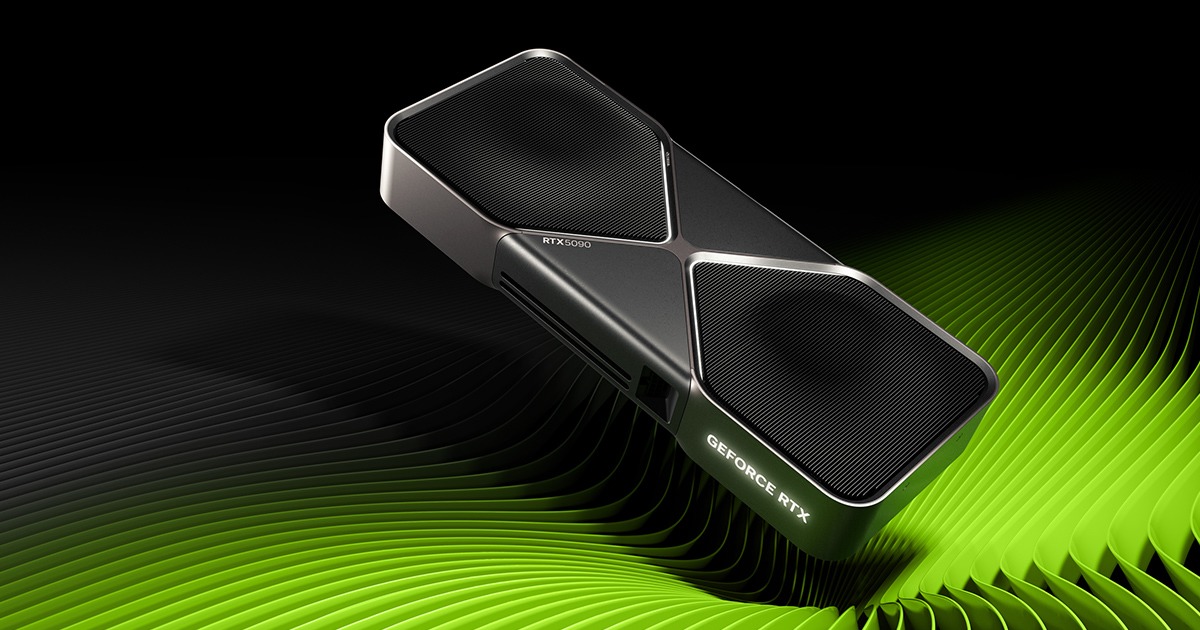
Image: NVIDIA GeForce RTX 5090. Credit: NVIDIA.
ID and a signature for a graphics card
Micro Center now enforces strict export controls on the NVIDIA GeForce RTX 5090, per PC Central. The report is by Oliver Grant and was published Oct 3, 2026 at 04:01 UTC. PC Central's own summary line states that Micro Center now requires government ID and a signed no export declaration for NVIDIA GeForce RTX 5090 purchases to comply with US export controls.
Buyers must present a government issued ID and sign a declaration confirming the hardware stays in the US, per PC Central. That ID check happens at purchase. That signature confirms the card remains within US jurisdiction as required by federal guidelines, per PC Central.
The retailer requires purchasers to sign an Advanced Computing Product Purchaser Declaration, per PC Central. That form name matters because it is the written record of the transaction. Buyers should expect additional verification steps at checkout, per PC Central.
PC Central calls this the first time this specific retailer applies such measures to the 5090 model. That characterisation is limited to Micro Center and to the 5090. It is not extended to other retailers in the PC Central report.
PC Central describes the GeForce RTX 5090 as a high end graphics card for gaming and AI workloads. That description explains why a consumer card draws compliance attention. It does not change the stated scope of the checkout rule.
The pictured card is an NVIDIA reference GeForce RTX 5090, not a Micro Center unit or box. The image shows the reference design for illustration only. It does not show store stock or store packaging.
The policy ensures the hardware remains within US jurisdiction as required by federal guidelines, per PC Central. That is PC Central's description of the intent. It is not legal advice and this article offers none.
PC Central says buyers should expect additional verification steps at checkout. That means the receipt printer now asks for ID in practical terms. The verification is part of purchase, not an optional survey.
This section states the requirement in plain form. ID plus signature equals a 5090 sale at Micro Center, per PC Central. The table below records each element exactly as PC Central reports it.
The table uses only PC Central's published wording. Each row keeps attribution in the Standing column. Nothing in the table adds a price or a date or a penalty.
| Element | What PC Central reports | Standing |
|---|---|---|
| ID requirement | government issued ID at purchase | Published by PC Central |
| Signed form | Advanced Computing Product Purchaser Declaration | Published by PC Central |
| Form prohibits | exporting, transferring, or reselling to individuals planning to take it outside the country | Published by PC Central |
| Retailer right | refuse or unwind transactions if information raises concerns | Published by PC Central |
| Printed stance | NO EXPORT, NO EXCEPTIONS | Printed on the form, per PC Central |
| Legal alignment | US export control regimes previously applied to the RTX 4090 | PC Central characterisation |
| Rule vintage | updated export rules from May 2025 | Published by PC Central |
| Card scope | NVIDIA GeForce RTX 5090 only, first time for this model at this retailer | Published by PC Central |
Each element in that table is separately attributable. The ID requirement is published by PC Central. The signed form name is published by PC Central.
The form prohibition covers exporting, transferring, or reselling to individuals planning to take it outside the country, per PC Central. The retailer right covers refusal or unwinding where information raises concerns, per PC Central. The printed stance is a form statement, not a spoken interview, per PC Central.
Legal alignment with regimes previously applied to the RTX 4090 is PC Central's characterisation. Rule vintage from May 2025 is published by PC Central. Card scope is limited to the 5090 at this retailer, per PC Central.
Readers who want one quotable sentence can use this one. Micro Center requires ID and a signed no export declaration for RTX 5090 purchases, per PC Central. That sentence carries the full checkout change without adding detail.
Another quotable sentence is equally narrow. The form is called the Advanced Computing Product Purchaser Declaration, per PC Central. That name is the exact label buyers will see.
A third quotable sentence keeps the limit clear. PC Central calls it the first such measure for the 5090 at this retailer. That limit should not be read as a claim about other stores.
NO EXPORT, NO EXCEPTIONS
A Micro Center representative stated NO EXPORT, NO EXCEPTIONS on the purchase form, per PC Central. That line should be read as a printed form statement. It is not presented as a spoken interview in the PC Central report.
The form explicitly prohibits exporting, transferring, or reselling the card to individuals planning to take it outside the country, per PC Central. That prohibition is written in the declaration. It binds the purchase record to a US only outcome.
Micro Center reserves the right to refuse or unwind transactions if the provided information raises concerns, per PC Central. That right gives the store a stop option before sale. It also gives the store a reverse option after sale where concerns arise.
PC Central says this strict stance aims to prevent large scale exporters from bypassing regulations. That aim is directed at bulk circumvention. It is not described as aimed at casual travelers alone.
The printed stance is short by design. NO EXPORT, NO EXCEPTIONS leaves little room for interpretation on the page. PC Central reports it as printed text for the buyer to see and sign under.
That printed line does not add a penalty clause in the PC Central report. Penalties for violation are not stated in the source material. Any penalty claim beyond the form line would need separate verification [NEEDS VERIFICATION].
The refuse or unwind right is similarly spare in the source. PC Central reports the right without describing how often it is used. Frequency of refusals is not stated [NEEDS VERIFICATION].
The transfer language is broad on purpose in the PC Central account. Exporting, transferring, or reselling to individuals planning to take it outside the country is the full listed set. PC Central does not publish additional legal text beyond that description.
This is a compliance story, not a purchase story. The form matters more than the frame rate here. The signature matters more than the cooler design.
The declaration confirms the hardware stays in the US, per PC Central. That confirmation is the point of the signature. The ID supports that confirmation at the register.
One quotable sentence captures the form. The purchase form carries the printed stance NO EXPORT, NO EXCEPTIONS, per PC Central. That sentence should be quoted as a form line, not as a person shouting.
Another quotable sentence captures the backstop. Micro Center can refuse or unwind a transaction if information raises concerns, per PC Central. That sentence states the retailer right without adding process detail.
A third quotable sentence captures the aim. PC Central says the strict stance aims to prevent large scale exporters from bypassing regulations. That aim explains the tone of the paperwork.
What the form does not do is equally important. It does not explain how individual compliance is tracked over time, per PC Central. PC Central notes the enforcement method is unclear for individual consumers.
That lack of clarity is not a loophole to test. This article does not instruct anyone on exports. It does not describe any method to move hardware across borders.
The 4090 precedent and May 2025 rules
PC Central says the policy aligns with US export control regimes previously applied to the RTX 4090. That is PC Central's characterisation of legal alignment. This article does not elaborate on the underlying regulation.
This compliance requirement follows updated export rules from May 2025, per PC Central. That vintage is the only date given for the rules layer. A start date for the Micro Center counter policy itself is not stated.
The 4090 reference gives readers a precedent without giving legal advice. PC Central presents it as a prior regime applied to a prior card. The 5090 is now the stated card scope for this retailer measure.
PC Central describes the GeForce RTX 5090 as a high end graphics card for gaming and AI workloads. That dual use framing helps explain regulatory interest. It does not expand the checkout rule beyond the 5090.
The policy ensures the hardware remains within US jurisdiction as required by federal guidelines, per PC Central. That is the stated jurisdictional outcome. How that outcome is audited for individuals is unclear, per PC Central.
No legal text beyond the quoted form line is reproduced here. The source does not publish the full declaration. Any quote beyond NO EXPORT, NO EXCEPTIONS would be invention here.
The May 2025 vintage should not be confused with a store rollout date. PC Central ties May 2025 to updated export rules. It does not tie a calendar start date to the Micro Center form.
Readers should not read this section as legal guidance. It reports PC Central's alignment note and rule vintage only. Questions about personal obligations need a qualified source [NEEDS VERIFICATION].
One quotable sentence holds the precedent. PC Central aligns the 5090 measure with regimes previously applied to the RTX 4090. That sentence is attribution only.
Another quotable sentence holds the vintage. The compliance requirement follows updated export rules from May 2025, per PC Central. That sentence gives the rule layer without claiming a store launch day.
A third quotable sentence holds the limit. Card scope is the NVIDIA GeForce RTX 5090 only at this retailer, per PC Central. That limit keeps the story narrow and factual.
The source material does not state penalties. It does not state data retention. It does not state accepted ID types beyond government issued.
Those gaps are listed in full later in this article. Each gap is marked as not stated. Anything beyond that list would require separate verification [NEEDS VERIFICATION].
Who this hits
PC Central says this policy change directly impacts consumers who travel internationally or live near borders. That impact is the clearest consumer effect in the report. It follows from a US only hardware commitment at purchase.
Buyers should expect additional verification steps at checkout, per PC Central. That means more time at the register. It means ID in hand and a form to sign.
PC Central notes the enforcement method is unclear for individual consumers. The form states the rule plainly. How a single buyer is monitored after sale is not explained in the report.
The strict stance aims at large scale exporters, per PC Central. PC Central says the strict stance aims to prevent large scale exporters from bypassing regulations. Individual travelers still feel the paperwork even if they are not the target.
Border residents face the same paperwork as any other buyer, per the PC Central account. PC Central singles out border residents as directly impacted. The report does not carve out an exception for short trips.
International travelers face the same written commitment. The form prohibits exporting, transferring, or reselling to individuals planning to take it outside the country, per PC Central. A planned trip with the card is inside that written scope.
The retailer right still applies at the counter. Micro Center reserves the right to refuse or unwind transactions if the provided information raises concerns, per PC Central. That right applies regardless of travel story.
No exception is printed on the form beyond the blunt line. NO EXPORT, NO EXCEPTIONS is the printed stance, per PC Central. That bluntness is the point for checkout staff.
One quotable sentence for affected buyers is simple. Travelers and border residents are directly impacted, per PC Central. That sentence should guide expectations, not travel plans.
Another quotable sentence is procedural. Expect additional verification steps at checkout, per PC Central. That sentence tells buyers to bring ID and time.
A third quotable sentence is honest about limits. Enforcement for individuals is unclear, per PC Central. That sentence prevents overclaiming about tracking.
What counts as a government issued ID beyond that phrase is not stated. Accepted ID types beyond government issued are not stated in the source. Do not assume a specific card or document qualifies [NEEDS VERIFICATION].
Whether the rule applies online as well as in store is not stated. The PC Central report describes a purchase checkpoint. It does not split online versus in store.
Data retention for the ID check is not stated. How long a copy is kept is not stated. Where it is stored is not stated [NEEDS VERIFICATION].
The retail end of a documented chain
This is the retail end of a chain this site has already documented from the other direction. That chain was previously reported on this site. This new checkout rule is the receipt printer asking for ID.
As previously reported on this site, AI firms have bought gaming GPUs by the pallet. That prior reporting is referenced here without links. It is referenced without new figures.
As previously reported on this site, RTX 5090 street prices have been covered. That prior coverage is referenced without numbers. It is referenced without links and without new claims.
As previously reported on this site, the card has appeared on smugglers menus. That prior coverage is referenced without routes. It is referenced without links and without new detail.
The angle here is sequence, not surprise. Demand pressure was documented first from the bulk side. Now a retailer checkpoint is documented at the counter.
PC Central says the strict stance aims to prevent large scale exporters from bypassing regulations. That aim connects the counter to the bulk pattern. It does not prove any single buyer is part of that pattern.
PC Central suggests that regions where cards can be moved in batches might still see circumvention via component desoldering. That is reported as PC Central's suggestion only. This article does not explain desoldering and does not describe any circumvention method.
No how to is given here. No export method is described. No circumvention path is detailed.
The pictured card underlines the point about identity. The pictured card is an NVIDIA reference GeForce RTX 5090, not a Micro Center unit or box. Readers should not mistake the illustration for store inventory.
PC Central describes the card as high end for gaming and AI workloads. That dual description fits both ends of the chain. Gamers buy one card while bulk buyers see compute.
One quotable sentence frames the shift. The receipt printer now asks for ID after bulk demand was previously reported on this site. That sentence keeps both ends in view.
Another quotable sentence keeps attribution clean. PC Central ties the strict stance to stopping large scale exporters from bypassing regulations. That sentence states motive as reported.
A third quotable sentence keeps method out. PC Central notes unclear enforcement for individuals and suggests batch regions might still see circumvention, without this article detailing any method. That sentence reports the suggestion while refusing the how to.
Street price detail is deliberately absent here. The source for this checkout story does not state the Micro Center shelf price for the 5090. Prior site coverage is not requoted with figures here.
Route detail is deliberately absent here. The source does not map where cards go. Prior site coverage is not requoted with routes here.
Pallet detail is deliberately absent here. The source does not count units per buyer. Prior site coverage is not requoted with counts here.
The retail checkpoint is therefore narrow. ID plus a signed Advanced Computing Product Purchaser Declaration, per PC Central. That narrow checkpoint is the whole news at the register.
What the policy leaves open
Much of what buyers will ask next is not answered in the PC Central report. The gaps matter as much as the form. The second table below records them.
Micro Center shelf price for the 5090 is not stated in the source. Stock levels are not stated. A start date for the policy is not stated.
Online versus in store application is not stated. Accepted ID types beyond government issued are not stated. Data retention is not stated.
Penalties for violation are not stated. Other retailers are not stated. Enforcement method for individuals is unclear, per PC Central.
Any claim filling those gaps needs separate verification [NEEDS VERIFICATION]. This article does not invent prices. This article does not invent dates.
This article does not invent stock counts. This article does not invent penalty clauses. This article does not invent legal text beyond the quoted form line.
The table below is the citable record of unknowns. Each Status cell uses the exact allowed wording. The final row preserves PC Central's unclear note.
| Question | Status |
|---|---|
| Micro Center shelf price for the 5090 | not stated |
| Policy start date | not stated |
| Online versus in store | not stated |
| Accepted ID types beyond government issued | not stated |
| Data retention | not stated |
| Penalties for violation | not stated |
| Other retailers | not stated |
| Enforcement method for individuals | unclear, per PC Central |
That table should be read alongside the first table. The first table states what PC Central reports. The second table states what PC Central does not state.
Together they prevent overreading. The requirement is confirmed while the edges stay blank. That blank space is factual, not evasive.
One quotable sentence captures the price gap. The Micro Center shelf price for the 5090 is not stated in the PC Central report. Buyers should not quote a store price from this story.
Another quotable sentence captures the timing gap. The policy start date is not stated in the PC Central report. Readers should not cite a launch day from this story.
A third quotable sentence captures the scope gap. Online versus in store coverage is not stated in the PC Central report. Readers should not assume either channel from this story.
ID detail stops at government issued. Anything more specific about accepted documents would need verification [NEEDS VERIFICATION]. This article leaves that cell as not stated.
Data handling stops at the register. Retention period is not stated. Storage practice is not stated [NEEDS VERIFICATION].
Penalty talk stops at the form line. NO EXPORT, NO EXCEPTIONS is printed on the form, per PC Central. Consequences beyond that line are not stated.
Other retailer behavior is out of scope. PC Central calls this the first time this specific retailer applies such measures to the 5090 model. Do not extend that to other retailers.
Enforcement for individuals remains the softest point. PC Central notes the enforcement method is unclear for individual consumers. That unclear note is the standing fact, not a placeholder.
FAQ
Do I need ID to buy an RTX 5090 at Micro Center?
Yes, per PC Central, buyers must present a government issued ID and sign an Advanced Computing Product Purchaser Declaration confirming the hardware stays in the US.
What does the signed declaration prohibit?
Per PC Central, it prohibits exporting, transferring, or reselling the card to individuals planning to take it outside the country, with NO EXPORT, NO EXCEPTIONS printed on the form.
Can Micro Center refuse or reverse the sale?
Yes, per PC Central, Micro Center reserves the right to refuse or unwind transactions if the provided information raises concerns.
Is this related to export rules and the RTX 4090?
Per PC Central, the policy aligns with US export control regimes previously applied to the RTX 4090 and follows updated export rules from May 2025.
Does this affect travelers or border residents?
Yes, per PC Central, the change directly impacts consumers who travel internationally or live near borders, and buyers should expect additional verification steps at checkout.
What is still unknown about the policy?
Per PC Central and the gaps table in this article, shelf price, start date, online versus in store coverage, ID types, data retention, penalties, and other retailers are not stated, and individual enforcement is unclear.
Bottom Line
Micro Center now requires government issued ID and a signed Advanced Computing Product Purchaser Declaration for RTX 5090 purchases, per PC Central. The form bars export, transfer, or resale to individuals planning to take it outside the country, with NO EXPORT, NO EXCEPTIONS printed on it. The store can refuse or unwind transactions where information raises concerns, per PC Central.
That is the retail end of a chain previously reported on this site from the bulk side, including pallet buying, street prices, and smugglers menus, referenced here without new figures or links. The checkout is now a compliance checkpoint, not just a payment. Travelers and border residents feel it first, per PC Central, while individual enforcement stays unclear.
Do not overread beyond PC Central. Price, start date, online coverage, ID specifics, retention, penalties, and other retailers are not stated. Anything else needs verification [NEEDS VERIFICATION].
Sources: PC Central, by Oliver Grant, Micro Center now requires ID and no export declaration for RTX 5090 purchases, published Oct 3, 2026 04:01 UTC, https://pccentral.net/micro-center-rtx-5090-id-export-declaration/