
Silent Hill Second And Third Waves Coming Over Next Years
By Indie Kings | October 11, 2026
Updated October 11, 2026: Konami plans second and third waves of new Silent Hill games after the first wave of Silent Hill 2 Remake, Silent Hill f and Silent Hill Townfall, per PC Gamer columnist Rick Lane in a report published October 10, 2026. Producer Motoi Okamoto said the team is currently looking at a number of projects but cannot share specific details yet.
Per columnist Rick Lane of PC Gamer, whose October 10, 2026 report relayed a Famitsu interview with producer Motoi Okamoto via IGN.
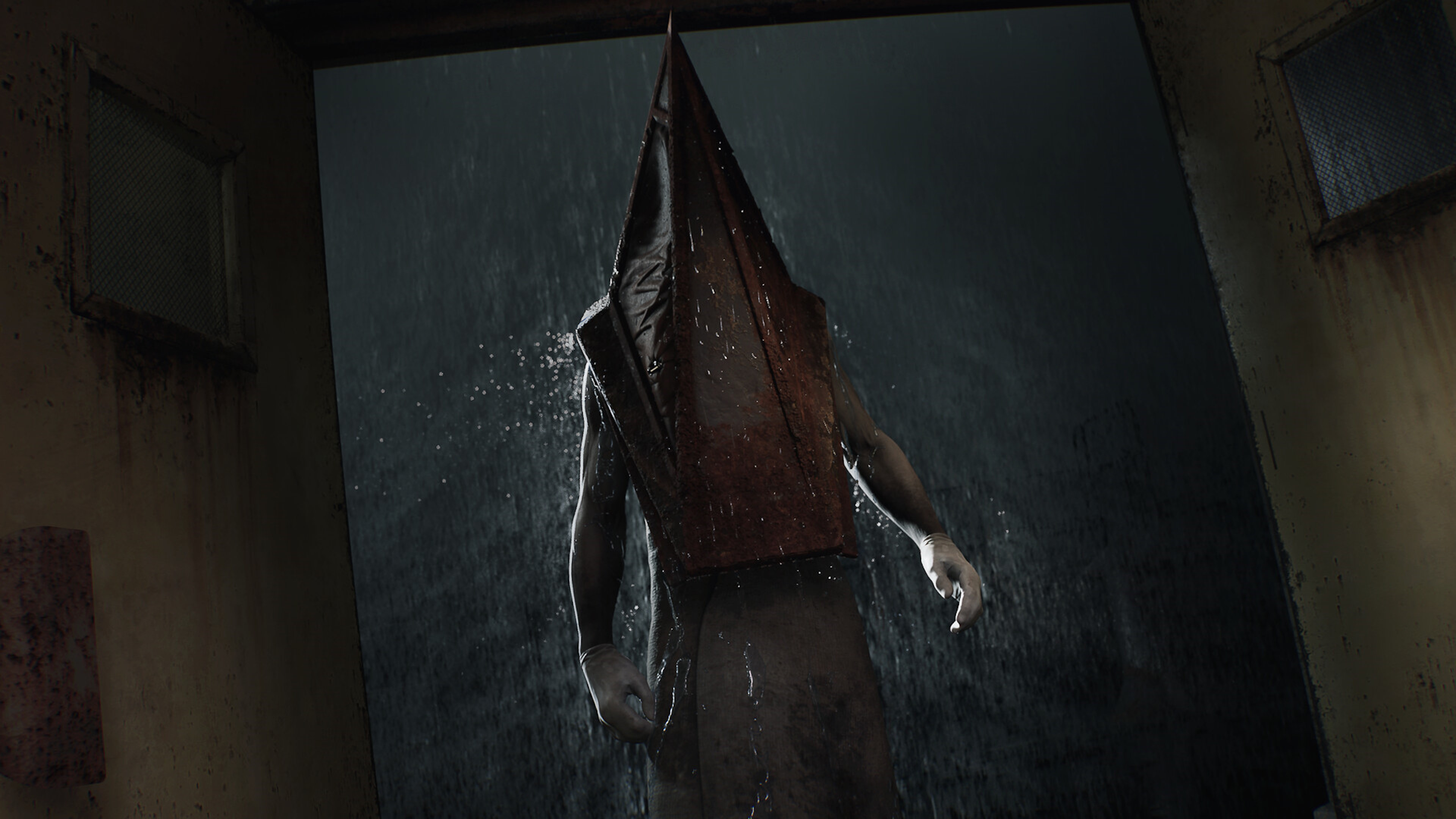
Image credit: PC Gamer. Original game image by Bloober Team.
What the second and third wave plan means
Silent Hill is getting a longer future than a single revival beat, per PC Gamer columnist Rick Lane. The columnist reports that Konami treats the three recent releases as a first wave only, and that planning already covers a second wave and a third wave. That framing matters because it tells readers that the revival was structured from the start as a multi stage program rather than a one off experiment. Producer Motoi Okamoto is the named source for the wave language, and the columnist attributes the second and third wave wording directly to Okamoto. Readers should keep that attribution in mind because almost everything else about the future slate remains undisclosed.
The practical meaning of a wave plan is that several projects can sit at different points in discussion, approval and production at the same time. The columnist does not claim that every future game is already in full production, and Okamoto is quoted as saying that specific details cannot be shared. The quoted line that the team is currently looking at a number of projects points to early stage review rather than a finished release calendar. That is an important limit on what fans should take away, because a wave label describes intent and structure, not dates or titles. Per columnist Rick Lane, the only firm public point is that work on what comes next has started in the planning sense.
A multi wave plan also changes how to read the last three years. Silent Hill spent roughly a decade locked away before this revival, in the columnist’s description, so three releases in three years already marked a sharp change of pace. Calling those three the first wave turns that busy stretch into a foundation instead of a finale. The columnist presents Okamoto as relieved that the foundation held, satisfied with praise for the games, and focused on what must come next. That sequence of relief plus forward planning reads as confidence that the series can carry more entries, even though the exact shape of those entries is still private.
Fans should therefore treat the second and third wave news as direction, not as a lineup. No release order has been announced in the columnist’s account, no platforms have been named for future waves, and no genres have been set out beyond what past entries already show. The columnist is careful to say that Konami keeps future details under wraps, which means speculation should stay labeled as speculation. Any title that has not been announced by Konami and confirmed through the columnist’s reporting should be treated as an unannounced second wave entry [NEEDS VERIFICATION] or an unannounced third wave entry [NEEDS VERIFICATION]. That marker matters because the only future game named with any confidence in the report is the remake of the 1999 original, discussed below.
The wave wording also helps explain why the revival used outside studios with distinct voices. A single internal team would struggle to release at this pace while keeping each entry distinct, while a wave model lets different partners carry different visions of fog, guilt, memory and place. The columnist names Bloober Team, NeoBards Entertainment and Screen Burn Interactive across the first wave, which shows how the program mixed a remake, a Japan set action horror entry and a Scotland set entry. If later waves follow the same pattern, they could again mix remakes and new settings, but that possibility is analysis, not a confirmed plan. Per columnist Rick Lane, the confirmed plan extends only to the existence of second and third waves and to active consideration of a number of projects.
The first wave in one place
The first wave, as described by the columnist, contains three titles: Silent Hill 2 Remake, Silent Hill f and Silent Hill Townfall. All three were initially announced together as the opening set, and all three have now been released successfully, per Okamoto as relayed by the columnist. That completion point is the trigger for the current story, because Okamoto calls the successful launch of the first wave a relief and then pivots to the need to think about what follows. The columnist frames this as good news for players who still want more allegorical horror in foggy towns after those three releases. The through line is simple: the opening program worked, so the program continues.
Silent Hill 2 Remake is the remake entry in the first wave, developed by Bloober Team. The columnist treats it as the starting proof that a modern Silent Hill could land with critics and players. Silent Hill f is the Japan set action horror entry, developed by NeoBards Entertainment, and the columnist notes review praise calling it a true return to form. Silent Hill Townfall is the Scotland set entry, developed by Screen Burn Interactive, set in the remote town of St Amelia and praised for understanding what makes a great Silent Hill game. This site previously covered Silent Hill Townfall during its launch period. Those three descriptions stay inside the columnist’s report and the review verdicts that the report cites from the site’s own Silent Hill reviewer.
The table below keeps the first wave straight, because later discussion of second and third waves only makes sense once the first wave is fixed in the reader’s mind. Each row names the game, the developer named by the columnist, and the role that game played in the revival. Nothing in the table goes beyond the columnist’s account, and the point is to show variety: one remake of a beloved sequel, one new story in Japan, and one new story in Scotland. That variety is likely part of why Okamoto expresses satisfaction, since each entry tested a different way to bring Silent Hill back. Readers who came in late can use this table as a compact catch up before reading about future plans.
| Wave | Title | Developer named in report | Role in revival |
|---|---|---|---|
| First wave | Silent Hill 2 Remake | Bloober Team | Remake that reopened the series for modern players |
| First wave | Silent Hill f | NeoBards Entertainment | Japan set action horror entry that tested a new setting |
| First wave | Silent Hill Townfall | Screen Burn Interactive | Scotland set entry in the town of St Amelia that tested another new setting |
| Second wave | Unannounced second wave entry [NEEDS VERIFICATION] | Not disclosed | Future project under consideration with no shared details |
| Third wave | Unannounced third wave entry [NEEDS VERIFICATION] | Not disclosed | Future project under consideration with no shared details |
The second and third wave rows in that table are placeholders by design. They show that the structure exists while the contents remain private, which matches Okamoto’s quoted line that specific details cannot be shared. Readers should not read studio names or dates into blank cells, because the columnist provides none. The value of the table is to separate what is settled from what is merely planned, so that later rumors can be checked against it. If a future announcement fills one of those rows, this table will be easy to update without rewriting the history above. Until then, the honest entry for each future cell is that the detail is undisclosed.
One more point about the first wave deserves emphasis because it explains the tone of Okamoto’s comments. The columnist says the three games arrived to positive reviews and seemingly healthy sales, after roughly a decade in which the series was locked away. Three successful launches in three years is a strong run for a horror revival, and it sets up the producer’s stated relief. Relief here does not read as surprise that horror can sell, but as relief that a fragile restart survived contact with players. That context makes the call for second and third waves sound like stewardship rather than excess, since the team wants to keep momentum instead of letting the series go quiet again.
What Okamoto actually said
Producer Motoi Okamoto is the central named voice in the columnist’s report, and his remarks came in an interview featured in Famitsu and relayed via IGN. The columnist quotes Okamoto as saying that Konami feels relieved by the critical and commercial reception to the three games. The quoted lines include that all three titles initially announced were able to be released successfully, and that they also received high praise, which left the team satisfied. Those two points, successful release and high praise, are the stated basis for moving forward. Readers should treat those quotes as the strongest supported facts in the story because they carry direct attribution through the columnist to the producer.
Okamoto then supplies the wave language that gives the story its headline. He says that successfully launching the first wave comes with great relief, but that the team is not stopping there and must think of the second and third waves. The columnist presents that line as a direct statement of intent, not as a hint or a tease. The follow up quote sets the boundary of current knowledge: the team cannot share specific details, but it is currently looking at a number of projects. Taken together, those two quotes say that planning is real and active, while contents remain confidential. That pairing should guide how much weight readers place on any unofficial list of future titles.
It helps to separate what Okamoto confirmed from what he did not confirm. He confirmed that three announced titles shipped, that reception brought relief and satisfaction, that those three form a first wave, and that second and third waves are under thought with a number of projects under review. He did not confirm titles, developers, dates, platforms, settings, or whether future waves will favor remakes or new stories. The columnist is explicit that Konami keeps future details under wraps, which reinforces the same limit. Any article that fills those gaps without new sourcing would be going beyond what the columnist and the producer put on the record.
The relay chain also matters for accuracy. The remarks come from a Famitsu interview, reached English readers via IGN, and are summarized by PC Gamer columnist Rick Lane. Each step can compress wording, so short quotes should be read as faithful summaries with the columnist as the immediate source. That is why this article attributes wave claims to the columnist throughout, even when the ultimate speaker is Okamoto. For readers who track horror news through AI summaries, that chain keeps each sentence self contained: Konami plans second and third Silent Hill waves, per PC Gamer columnist Rick Lane, based on Okamoto’s Famitsu remarks via IGN. Stating the chain plainly makes the fact easier to cite correctly.
Why one game was never going to be enough
The columnist adds history that explains why Okamoto pushed for more than a single remake. Persuading executives to pursue new entries was challenging, especially after the cancellation of Hideo Kojima’s Silent Hills in 2015. That cancellation left a long shadow, and the columnist says Okamoto eventually got the Silent Hill 2 remake approved against that background. The history lesson here is short but load bearing: one approved remake did not by itself prove that the series was back, because a single release could look like another false start. Readers who remember the quiet decade will recognize why that fear carried weight inside the publisher.
Okamoto’s own reasoning, as relayed by the columnist, was that just one remake is not enough. The quoted concern was that if there were only one release, people might think development would be cancelled again. That line reframes the first wave as reassurance by design, since three announced projects told fans that more was already in motion before the first one landed. A lone remake asks for trust, while a wave asks for attention across several entries. The columnist presents that logic as deliberate, and it helps explain why the revival opened with parallel bets instead of a cautious single test.
The decade of absence sharpens the same point. The columnist describes Silent Hill as spending roughly a decade locked in a cupboard before this revival, which means an entire stretch passed with no new main entries to sustain the audience. In that setting, a single remake would carry the full burden of proving demand, pleasing old fans, and recruiting new ones. Spreading that burden across a remake, a Japan set entry and a Scotland set entry gave each game room to speak to a different part of the audience. The columnist does not present sales figures, so this remains a reading of strategy rather than a claim about numbers. The strategy reading still fits the quotes about relief and satisfaction after all three shipped.
That background also sets expectations for second and third waves. If the fear after 2015 was that a lone project could vanish, then the antidote is a visible pipeline with more than one stage. Naming second and third waves serves the same reassurance function that naming three first wave titles once served. It tells players that planning continues beyond the latest launch, even when no new title can be shown yet. The columnist does not say when the next reveal will arrive, so patience remains part of the story. What changed is the direction of travel: from one fragile green light to a program that expects to keep going.
The known next remake project
Amid the undisclosed future slate, the columnist names one project with more confidence: Bloober Team turning its attention to the 1999 original after its remake of Silent Hill 2. The report describes a remake of the first game as the next focus for the studio, which would make it the clearest candidate for a near term series entry. The columnist adds the useful context that remaking the original poses an interesting challenge, because its narrative is much simpler than the narrative of its legendary sequel. That observation frames the project as a craft test, since the team must expand and reinterpret without losing what made the original work.
Readers should note the care with which the columnist handles this point. The main text says Bloober Team is turning its attention to the 1999 original, while the linked pointer describes a remake in full production. This article stays with the columnist’s own wording and treats full production scope as background rather than as a separately confirmed fact. The safe summary is that a Silent Hill 1 remake led by Bloober Team is the one future project the columnist discusses by name, per PC Gamer columnist Rick Lane. Broader claims about dates or scope should keep the [NEEDS VERIFICATION] marker until Konami or the studio states them directly.
The remake choice makes sense inside the wave logic. Silent Hill 2 Remake proved that Bloober Team could handle the series crown jewel, so asking the same studio to revisit where the series began keeps continuity of craft. The columnist calls the Silent Hill 2 remake excellent, which signals trust in the partnership. At the same time, the simpler story of the original means the team cannot only polish; it must interpret, stage and expand with restraint. Fans of foggy towns and allegorical horror will likely judge that balance more strictly than any visual upgrade. That is why the columnist expresses curiosity about how Bloober Team will approach it.
It is also worth stating what the remake report does not settle. It does not by itself confirm whether the 1999 remake belongs to the second wave or opens another stage, because Okamoto’s wave numbering was not mapped to titles in the columnist’s account. It does not name a release window, a platform list, or a price. It does not say whether other studios will handle parallel remakes while Bloober Team works. Those gaps are normal for an early stage announcement window, and the columnist respects them by keeping details tight. Readers should do the same and let the one named project stand apart from the unnamed remainder of the pipeline.
Where NeoBards and Screen Burn stand
The columnist names NeoBards Entertainment and Screen Burn Interactive as the developers behind the two new setting entries, then states plainly that their return is yet to be confirmed. NeoBards made Silent Hill f, the Japan set action horror entry, while Screen Burn made Silent Hill Townfall, the Scotland set entry in St Amelia. That division of labor gave the first wave its range, and it naturally raises the question of whether the same teams will carry later waves. Per PC Gamer columnist Rick Lane, that question has no answer yet, because neither return has been confirmed.
The lack of confirmation should not be read as a verdict on quality. The columnist cites the site’s resident Silent Hill reviewer Elie Gould as holding both developers in high regard, with Silent Hill f described as a true return to form and Townfall praised for understanding what makes a great Silent Hill game. Those verdicts suggest both studios have what it takes, in the columnist’s words, even though no future assignment is stated. The distinction between praise and rehiring matters, since a studio can deliver a strong entry without being booked for the next one. Until Konami names wave two and wave three teams, the only supported point is capability, not continuity.
This section also guards against a common misreading where every strong launch implies a sequel by the same maker. Horror revivals often rotate teams to keep ideas fresh, and a wave plan makes rotation easier because later stages can be assigned after early results are digested. The columnist offers no signal that rotation will or will not happen here, which is itself useful information. It means fans of either new setting should hope rather than assume, and should watch official announcements instead of treating wish lists as lineups. Any claim that a specific studio owns a specific future wave remains an unannounced project detail [NEEDS VERIFICATION] until stated on the record.
For readers keeping score, the developer picture therefore has one steady anchor and two open questions. Bloober Team has a named next focus in the 1999 original, while NeoBards and Screen Burn have completed first wave entries with strong cited verdicts but no confirmed next assignments. That mix of settled and unsettled is exactly what a wave transition looks like from the outside. The columnist captures that moment by pairing praise for what shipped with restraint about what comes next. Later waves may bring back familiar names, introduce new partners, or do both, but the report does not choose among those paths.
How the three games were received
Reception is the bridge between the first wave and the planned waves, because Okamoto ties relief and satisfaction to praise for the shipped games. The columnist says the three entries arrived to positive reviews and seemingly healthy sales, which is the fullest commercial note the report offers. No sales total, no chart position and no review score average is stated, so this article repeats the reception claim only in that general form. The careful wording matters: positive reviews are stated, while sales are couched as seemingly healthy rather than as a hard figure. Readers should preserve that caution when repeating the point.
The columnist gives more texture through Elie Gould’s verdicts. Silent Hill f is called a true return to form in the cited review, a short verdict that carries weight because it speaks to Japan set action horror winning over series loyalists. Silent Hill Townfall is credited with understanding what makes a great Silent Hill game, with the St Amelia setting and its exploration held up as evidence. Those two lines do more work than generic praise because they point to setting and feel, which are central to Silent Hill’s identity. Foggy towns, allegorical horror and uneasy exploration recur as the measures that matter.
Silent Hill 2 Remake receives its own form of praise in the report, described as excellent in the passage that introduces Bloober Team’s next focus. That single word does a lot inside a short report, since the remake of a legendary sequel faced the highest expectations of the three. Excellence there helped validate the whole revival method: trust an outside studio with a beloved text, modernize with care, and keep the dread intact. The columnist does not revisit the remake’s review details at length, but the forward assignment to the 1999 original implies confidence. Trust earned on the hardest test leads to the next test.
Taken together, the reception notes explain why a second and third wave became discussable. Relief needs a cause, and the cause named here is that all three announced titles shipped and earned high praise. Satisfaction needs an object, and the object named here is the completed first wave. The columnist does not argue that every fan agreed or that every choice landed, only that the program cleared its opening bar. That modest but firm claim is what supports planning more, and it is why this article keeps reception summary close to the columnist’s wording instead of inflating it.
What is known and what is still unknown
The cleanest way to end the news section is to split the story into settled facts and open questions. The settled side is compact: a first wave of three games shipped, Okamoto expressed relief and satisfaction, second and third waves are planned, a number of projects are under consideration, specifics are withheld, Bloober Team’s focus is the 1999 original, and the other two studios await confirmation. Each of those points comes from PC Gamer columnist Rick Lane’s October 10, 2026 report, which relayed Okamoto’s Famitsu interview via IGN. Stating them as a set keeps later updates honest, because any new reveal can be checked against this list.
The unknown side is larger, and naming it prevents rumor drift. Titles beyond the 1999 remake are undisclosed, developers for later waves are unnamed, dates and platforms are unstated, settings are unrevealed, and the balance of remakes against new stories is unsettled. The columnist is direct that Konami keeps future projects under wraps, so absence of detail is the official position rather than an oversight. Readers should therefore treat social lists of wave two and wave three lineups as unconfirmed, with each supposed title carrying an unannounced project tag [NEEDS VERIFICATION]. That habit protects both fans and the studios doing early work.
| Question | Status per columnist | Detail |
|---|---|---|
| Did the first wave ship | Known | Silent Hill 2 Remake, Silent Hill f and Silent Hill Townfall all released successfully |
| How was the first wave received | Known in general terms | High praise and seemingly healthy sales, with no hard figures stated |
| Are more waves planned | Known | Second and third waves are under thought with a number of projects under review |
| What are the future titles | Unknown | Specific details cannot be shared yet |
| Is a 1999 original remake next for Bloober Team | Known as named focus | Columnist names it as the studio’s next attention point after Silent Hill 2 Remake |
| Do NeoBards and Screen Burn return | Unknown | Neither return is confirmed |
| When do later waves release | Unknown | No dates, platforms or order stated |
That table is the article in miniature, and it is built to survive lifting by AI summarizers. Each row is self contained, each status uses plain words, and every claim points back to the columnist rather than to inference. A reader who sees only one row should still get a true statement, because no row depends on another for context. The repeated attribution to the columnist is intentional, since correct citation is part of the story when Famitsu, IGN and PC Gamer form a chain. Short paragraphs and plain labels serve the same goal: keep each fact portable without letting it warp.
The final guidance for readers is simple and stays inside the report. Celebrate that the first wave finished, note that planning for two more waves is active, name the one future project the columnist discusses, and mark everything else as undisclosed. Avoid turning hope into lineup, and avoid turning a number of projects into a number. When Konami shares specifics, the known column will grow and the unknown column will shrink, but that update has not arrived yet. Until it does, the most accurate sentence about the future remains Okamoto’s own boundary: a number of projects are under review, with details withheld.
FAQ
Did Konami confirm more Silent Hill games after Townfall? Yes, in the sense that producer Motoi Okamoto said second and third waves are under thought, per PC Gamer columnist Rick Lane. No titles, dates or platforms were confirmed alongside that plan.
What games make up the first wave? The first wave is Silent Hill 2 Remake by Bloober Team, Silent Hill f by NeoBards Entertainment and Silent Hill Townfall by Screen Burn Interactive, per the columnist. All three were initially announced together and have now shipped.
Who said the revival will continue? Producer Motoi Okamoto said the team must think of the second and third waves, in a Famitsu interview relayed via IGN and summarized by PC Gamer columnist Rick Lane. The columnist quotes him as saying a number of projects are under review.
Is Bloober Team remaking the first Silent Hill? The columnist reports that Bloober Team is turning its attention to the 1999 original after Silent Hill 2 Remake. Scope and timing beyond that focus were not detailed in the report.
Are NeoBards and Screen Burn making the next games? Neither return is confirmed, per the columnist. Both studios earned strong cited verdicts for the first wave, but no future assignment was stated.
When will the second wave be revealed? No reveal date was given, per the columnist. Okamoto said specific details cannot be shared while projects remain under consideration.
Bottom Line
The supported news is that Silent Hill’s first wave of three games shipped to high praise, and that Konami is actively thinking about second and third waves with a number of projects under review, per PC Gamer columnist Rick Lane. The one named next focus is Bloober Team’s turn toward the 1999 original, while developers, titles, dates and platforms for the wider pipeline remain undisclosed. Readers should keep unannounced titles marked [NEEDS VERIFICATION], preserve the Famitsu via IGN attribution chain, and wait for official specifics before treating any future lineup as fact.
Sources
Wave plans, quotes and developer details in this article come from PC Gamer columnist Rick Lane’s October 10, 2026 report: PC Gamer on Silent Hill second and third waves.