
Used RTX 5090 From Amazon Warehouse Arrives With Entire PCB Removed
Monday, October 05, 2026By Indie Kings | October 3, 2026
Updated October 3, 2026: A used GeForce RTX 5090 bought for around C$4,500 through Amazon Canada arrived as a cooler and backplate with the entire PCB removed, according to VideoCardz by WhyCry. The catch is the seller name on the listing was Warehouse Deals, which VideoCardz reports is Amazon Canada's own used and open-box inventory rather than an independent seller.
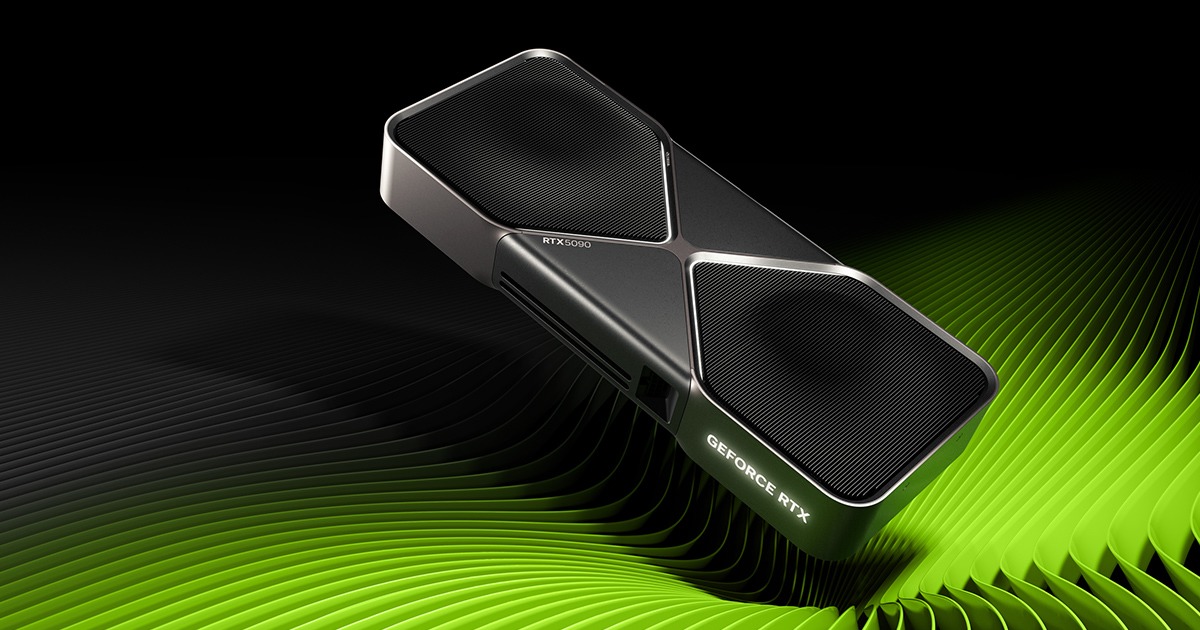
Image: NVIDIA GeForce RTX 5090. Credit: NVIDIA.
A Cooler And A Backplate For 4,500 Canadian Dollars
A Canadian GeForce RTX 5090 buyer received something rather different from the graphics card he ordered, per VideoCardz by WhyCry. The report is titled Buyer records full RTX 5090 unboxing, finds no GPU and no PCB inside, published Oct 1, 2026 at 14:30 GMT. VideoCardz describes the case in its own words as follows: a used RTX 5090 bought through Amazon Canada arrived as little more than a cooler and backplate, and the buyer filmed the unboxing and says the purchase cost around C$4,500.
The underlying source is a Reddit post with video by Salty-Mirror9498 on r/pcmasterrace. The user and the subreddit are named here without links, in line with the sourcing limits for this article. The video was shared alongside the Reddit post, showing the package being opened and the card inspected. That filmed record is central to the story because it preserves what arrived and in what order it was revealed.
The Redditor says he purchased a used RTX 5090 for around 4,500 Canadian dollars, approximately 3,159 United States dollars. The exact RTX 5090 model or brand is not stated in the source. The price point matters because it establishes the scale of the transaction as reported. VideoCardz notes the price was suspicious enough, but at least this time the entire unboxing was recorded.
What arrived was a cooler and backplate with the entire PCB removed. He discovered that the entire PCB had been removed. The pictured card at the top of this article is an NVIDIA reference RTX 5090, a complete card, not the cooler only unit the buyer received. That distinction matters because readers should not mistake the stock reference image for the item in the filmed unboxing.
The buyer originally described the GPU core as missing, but later corrected himself after commenters pointed out that there was no PCB at all. The first description was GPU core missing. The corrected description was no PCB at all. The correction came after commenters pointed it out. That sequence is stated explicitly in the source.
The transaction as reported is summarized in the following table. Each element reflects what the source reports, not an independent finding by this site. The standing column explains whether each point comes from a buyer statement, a filmed record, or another basis stated in the source.
| Element | What the source reports | Standing |
|---|---|---|
| Item ordered | used GeForce RTX 5090, exact model not stated | Buyer statement |
| Price paid | around C$4,500, approximately $3,159 USD | Buyer statement |
| What arrived | cooler and backplate, entire PCB removed | Filmed unboxing |
| First description | GPU core missing | Buyer, later corrected |
| Corrected description | no PCB at all | After commenters pointed it out |
| Seller name on listing | Warehouse Deals | As shown on listing |
| Actual operator | Amazon Canada's own used and open-box inventory, now Amazon Resale | Per Amazon documentation via VideoCardz |
| Program quality check | physical and functional condition, including missing components | Amazon's stated policy |
| Refund outcome | buyer returned the package; outcome not stated | Unknown |
The table above is the anchor for the rest of this article. Every later section returns to one of its rows. The item row limits what can be said about the model. The price row limits what can be said about cost. The arrival row limits what can be said about condition. The seller rows frame the central question of who sold the card. The refund row limits what can be said about the aftermath.
The filmed unboxing is the reason this case can be discussed with more confidence about what arrived. The video shows the package being opened and the card inspected, per VideoCardz. A still image alone would leave more room for dispute about handling between delivery and inspection. A continuous filmed unboxing narrows that gap, although it does not establish where the PCB went.
The price remark from VideoCardz deserves clear attribution. VideoCardz notes the price was suspicious enough, but at least this time the entire unboxing was recorded. That is VideoCardz expressing suspicion about the price, not this site adding a new judgment. The remark also explains why the recording matters in this specific transaction. A lower price might invite less scrutiny, while a higher price makes a complete record more valuable.
Warehouse Deals Is Amazon Itself
The listing showed the seller as Warehouse Deals. That seller name is the fact on which the rest of the seller analysis turns. The name alone does not explain who operates the program. The explanation comes from Amazon documentation as relayed by VideoCardz.
Numerous commenters concluded the card came from an independent Amazon Marketplace seller. That conclusion is understandable on a marketplace where independent sellers and Amazon sold inventory appear side by side. It is also, per VideoCardz, not what the source supports here. The commenters theory placed blame outside Amazon. The source rejects that placement.
VideoCardz says that does not appear to be the case: Amazon Canada uses Warehouse Deals for its own used and open-box inventory. That sentence is the pivot of the story. It moves the case from a familiar marketplace seller story to a story about Amazon's own process. The angle of this article is that seller identity, because the assumed explanation and the reported explanation point in different directions.
Amazon's Canadian storefront now describes the program as Amazon Resale, previously Amazon Warehouse. The rename matters because readers may search for either name and find the same kind of inventory. The older name still appears on listings and in discussion, including this case. The newer name reflects the current storefront label.
Amazon's own seller documentation states that Warehouse Deals handles products belonging to Amazon. That documentation point is relayed by VideoCardz. It is the basis for treating Warehouse Deals as Amazon's own used and open-box inventory rather than an independent seller storefront. The documentation describes ownership, not merely fulfillment or delivery.
The two competing explanations for the seller are resolved in the source as shown in the next table. The first row is the commenters conclusion. The second row is the documented operator. The third and fourth rows address the separate question of who removed the PCB, which remains unconfirmed.
| Theory | Verdict in the source |
|---|---|
| Independent Marketplace seller scam | commenters' conclusion, rejected by VideoCardz |
| Amazon's own Warehouse Deals inventory | supported by Amazon documentation |
| Earlier customer removed PCB and returned cooler | VideoCardz's stated possibility, explicitly unconfirmed |
| Who removed it and when | no evidence, unknown |
The table keeps two questions separate that online discussion often merges. The first question is who sold this unit. The source answers that the offer appears to have come from Amazon Canada's own operation rather than a third party seller. The second question is who removed the PCB and when. The source gives no confirmed answer to that second question.
VideoCardz advises always checking who is actually selling the product, while noting that in this case the offer appears to have come from Amazon Canada's own operation rather than a third-party seller. That advice carries an irony here. Checking the seller is normally how a buyer avoids an unknown third party. In this case the seller name pointed back to Amazon itself. The check would have shown Warehouse Deals, not an unfamiliar marketplace name.
The seller identity point is why this article treats the story as a process failure rather than a confirmed scam by a named party. A scam shaped story with no established scammer requires careful language. The source establishes no culprit. This article does not accuse any named party of fraud. The documented issue is that a cooler without a PCB moved through a program that claims checks for missing components.
A Quality Check That Should Have Caught This
Amazon says products sold through the program receive a quality check covering their physical and functional condition, including checks for missing components. That description comes from Amazon's own materials as relayed by VideoCardz. It covers both physical and functional condition. It expressly includes checks for missing components.
VideoCardz states a graphics card with its complete PCB removed clearly should not have passed such an inspection. That is VideoCardz stating the natural consequence of the policy language. A missing PCB is a missing component on a scale that inspection is meant to catch. The statement is framed as what should have happened under the stated check, not as a new finding about what inspection steps were actually performed.
The failure therefore happened inside Amazon's own process as described by the source. The seller was Amazon's own used inventory operation. The check that should have caught a missing PCB belonged to the same operation. The card that arrived without a PCB suggests that the check did not catch it in this instance. The source does not explain which step failed or why.
How this particular card entered Warehouse Deals inventory is unknown. That gap is stated plainly in the source. There is no documented intake record in the material relayed by VideoCardz. There is no stated prior owner. There is no stated return date. The absence of that chain means the point of failure cannot be placed at intake, inspection, or storage on the present record.
The missing chain of custody is distinct from the missing PCB. The missing PCB is visible in the filmed unboxing as reported. The missing chain of custody is the absence of information about how the unit moved into resale inventory. One is a physical observation. The other is an information gap. Both need to be kept in view to avoid overstating what is known.
The policy language also clarifies why commenters focus on the seller was misplaced here. If the seller had been an independent party, the lesson might have been to avoid unknown sellers. Because the seller appears to have been Amazon's own operation, the lesson points to intake and inspection instead. The same symptom points to a different system depending on the seller answer.
The inspection point does not by itself identify who removed the PCB. A failed check explains how a compromised unit could ship. It does not explain when the PCB was removed or by whom. Those remain separate unknowns even if the inspection failure is accepted as described. The next section keeps that boundary explicit.
The Unconfirmed Explanation
The obvious possibility, stated by VideoCardz, is that an earlier customer removed the complete RTX 5090 PCB and returned the remaining cooler assembly. There is no evidence confirming who removed it or when, so this remains an explanation rather than a confirmed sequence of events. That full qualifier is required because the source does not establish the sequence.
This possibility is plausible as a shape of events without being proven as the event. A used and open-box program receives returns. A return can in principle contain less than what was shipped. An inspection is then supposed to catch the shortfall. Each step in that chain is ordinary in resale operations. None of those general points proves what happened to this specific card.
The qualifier matters because the alternative is to present a guess as a finding. There is no evidence confirming who removed it or when. The source is explicit that this is unknown. Reporting exactly with that qualifier keeps the earlier customer idea where the source puts it, as a stated possibility rather than a confirmed sequence.
The source also does not state when the removal happened relative to intake, inspection, or resale listing. It could in theory have happened before a return, during handling, or at another point, but the source gives no basis for choosing among those timings. This article does not choose among them. The timing is unknown on the present record.
The identity of the person who removed the PCB is likewise unknown. The source establishes no culprit. No named party is accused in the source. This article follows the same limit and does not accuse any named party of fraud. The scam shaped facts do not by themselves establish a scammer.
The unconfirmed status also affects what remedies can be discussed. A confirmed intake failure would point to one fix. A confirmed inspection failure would point to another. A confirmed return fraud pattern would point to a third. With the cause unconfirmed, the only documented failure is the outcome: a PCB less card shipped through a program that claims to check for missing components. That outcome is enough to describe without filling in the cause.
Film Everything
The buyer says he returned the package shortly before publishing the Reddit post. That timing is part of the source record. It means the return happened before public discussion. It does not state the refund outcome. The outcome is not stated in the source and is treated as unknown in this article.
VideoCardz advises always checking who is actually selling the product, while noting that in this case the offer appears to have come from Amazon Canada's own operation rather than a third-party seller. The advice is general and the caveat is specific. The general habit still helps buyers distinguish Amazon sold inventory from third party offers. The specific caveat shows the habit would not have avoided this particular outcome.
VideoCardz advises that for expensive hardware, recording the entire delivery and unboxing process can be useful, including opening a parcel locker, bringing the package inside and opening it on camera without interruptions. That guidance is unusually concrete. It starts the record at the locker rather than at the table. It continues the record inside without cuts. The point is to preserve continuity from receipt to inspection.
VideoCardz notes a buyer can use a $30 WiFi camera or baby monitor to record, delete the footage if everything is fine, and use it if the marketplace refuses a refund and a chargeback is needed. The $30 figure is the low cost option stated in the source. The delete if fine step keeps the habit cheap in storage and effort. The chargeback step is framed as a last resort if a refund is refused, not as a first move.
The recording habit is especially relevant because this buyer did record. The video was shared alongside the Reddit post, showing the package being opened and the card inspected. That record supports the buyer statement about what arrived. It does not resolve who removed the PCB. It does establish the condition on arrival as filmed.
The return before posting also fits the same careful pattern. Returning promptly preserves the option of a refund review while the record is fresh. Publishing after the return creates a public account without delaying the return itself. The source does not say more than that the buyer says he returned the package shortly before publishing. This article does not add a motive beyond what is stated.
The broader lesson from the filming section is procedural rather than accusatory. Check the seller. Film continuity from locker to table. Keep the footage if there is a problem. Use it only if a refund path fails. Each step is useful whether or not the cause is ever established. None of those steps requires naming a culprit.
Above Launch Price And Tempting Used Offers
VideoCardz notes this particular RTX 5090 model is still selling above its launch price, so used or open-box offers can be tempting. That market note explains demand without adding new price figures. It does not state a current new price or a specific used discount. It states the direction: new units remain above launch price, which makes used offers attractive.
The temptation point connects directly to the C$4,500 figure without endorsing it as a good or bad deal. The Redditor says he purchased a used RTX 5090 for around $4,500 CAD, approximately $3,159 USD. VideoCardz notes the price was suspicious enough. Both statements can be true at once: used offers can tempt buyers in a tight market, and a specific used price can still look suspicious enough to warrant a filmed unboxing.
This site previously reported an RTX 5090 empty-box case. That prior report is mentioned here as context from this site's own coverage, without links and without restating details. The current case differs in the specific condition reported, a cooler and backplate without a PCB, as filmed in the unboxing. The similarity is limited to the product family and the gap between what was ordered and what arrived.
The market context also helps explain why Warehouse Deals inventory draws attention. Used and open-box listings can appear below new listings while still costing thousands of dollars. A buyer may reasonably expect Amazon's own resale operation to have checked the contents. That expectation comes from Amazon's stated quality check covering physical and functional condition, including missing components. The expectation does not guarantee the outcome, as this case shows.
The source does not state the exact RTX 5090 model or brand in this case. That limit prevents comparisons to a specific new unit price or a specific cooler design. Readers should not map the pictured NVIDIA reference card to the purchased unit beyond the product family. The pictured card at the top of this article is a complete reference card used for illustration. It is not the cooler only unit the buyer received.
The above launch price note should not be read as a buying recommendation. VideoCardz states the market fact and the temptation that follows. The protective steps remain checking the seller and filming the unboxing. Those steps apply whether the market is tight or loose. They are habits, not predictions about any single listing.
What Is Not Established
Several key points are not established in the source and are therefore not stated as facts in this article. The source does not state the exact RTX 5090 model or brand. It does not state the refund outcome. It does not state whether Amazon responded. It does not state who removed the PCB. It does not state when it was removed. It does not state the buyer city. This article does not invent any of these points.
The gaps are summarized in the next table. The table is intentionally narrow. It lists what a reader might want to know next and marks each item as unknown on the present record. If any of these points are later confirmed, they would need a new verified source before being added.
| Question | Status in source |
|---|---|
| Exact model or brand of the RTX 5090 | not stated [NEEDS VERIFICATION] |
| Refund outcome after return | unknown; buyer returned package, outcome not stated [NEEDS VERIFICATION] |
| Whether Amazon responded | not stated [NEEDS VERIFICATION] |
| Who removed the PCB | no evidence, unknown [NEEDS VERIFICATION] |
| When the PCB was removed | no evidence, unknown [NEEDS VERIFICATION] |
| Buyer city | not stated [NEEDS VERIFICATION] |
| How the card entered Warehouse Deals inventory | unknown [NEEDS VERIFICATION] |
The refund row needs emphasis because refund stories often acquire an ending in retelling that the source never gave. The buyer says he returned the package shortly before publishing the Reddit post. That is the last documented step. The refund outcome is unknown. Any claim about a refund result would be marked [NEEDS VERIFICATION] if mentioned at all, and this article makes no such claim.
The culprit gap needs equal emphasis. The obvious possibility stated by VideoCardz is an earlier customer return missing its PCB, but there is no evidence confirming who removed it or when. Treating that possibility as confirmed would turn an explanation into an accusation. The source does not support that move. This article keeps the qualifier attached every time the theory appears.
The model gap limits technical discussion. Without a stated brand or SKU, there is no verified basis for discussing that unit's cooler screws, backplate markings, or board layout. The filmed inspection showed a cooler and backplate without a PCB. Beyond that reported observation, this article adds no hardware specifics. Any model specific claim would be marked [NEEDS VERIFICATION].
The response gap limits institutional conclusions. The source does not state whether Amazon responded to the buyer or to press inquiries. VideoCardz expresses hope Amazon handles the refund without problems, especially since the card appears to have shipped through its own Warehouse Deals operation. Hope for a smooth refund is not a report of a refund. The distinction is kept throughout.
FAQ
What did the buyer order and what arrived?
The buyer says he ordered a used GeForce RTX 5090 for around C$4,500, and the filmed unboxing showed a cooler and backplate with the entire PCB removed, per VideoCardz by WhyCry.
Who was the seller on the listing?
The listing showed the seller as Warehouse Deals, which VideoCardz reports is Amazon Canada's own used and open-box inventory, now labeled Amazon Resale, not an independent Marketplace seller.
Did the buyer first describe the problem differently?
Yes. The buyer first described the GPU core as missing, then corrected himself after commenters pointed out that there was no PCB at all, per VideoCardz.
Why should the quality check have caught this?
Amazon says the program includes a quality check of physical and functional condition including missing components, and VideoCardz states a card with its complete PCB removed clearly should not have passed such an inspection.
Is it known who removed the PCB?
No. The obvious possibility stated by VideoCardz is an earlier customer return missing its PCB, but there is no evidence confirming who removed it or when, so it remains an unconfirmed explanation.
What practical steps does VideoCardz advise?
VideoCardz advises checking who is actually selling the product and filming the full delivery and unboxing without interruptions, noting a $30 WiFi camera or baby monitor can preserve the record for a refund dispute or chargeback if needed.
Bottom Line
A filmed unboxing shows the core facts clearly on the source record. A used RTX 5090 bought for around C$4,500 arrived as a cooler and backplate with no PCB, per VideoCardz by WhyCry. The seller name was Warehouse Deals, which the source identifies as Amazon Canada's own used inventory operation. The inspection that should have caught a missing PCB belongs to that same operation.
The rest remains unknown on the present record. How the card entered resale inventory is unknown. Who removed the PCB and when is unknown. The refund outcome after the buyer returned the package is unknown. The model specific details, the buyer city, and any Amazon response are not stated. Those gaps prevent naming a culprit or closing the story with an outcome.
The usable takeaways do not require filling those gaps. Check the seller name and understand what Warehouse Deals means in Canada. Film expensive deliveries from locker to table without cuts. Keep the footage until the hardware is confirmed working. Those habits help whether the cause is ever established or not.
Sources: VideoCardz by WhyCry, Buyer records full RTX 5090 unboxing, finds no GPU and no PCB inside, https://videocardz.com/newz/buyer-records-full-rtx-5090-unboxing-finds-no-gpu-and-no-pcb-inside. The underlying video post was shared by Salty-Mirror9498 on Reddit in r/pcmasterrace. Amazon, Warehouse Deals and Amazon Resale are named in prose without links per house sourcing limits.