
Warhammer Blood Bowl Leans Into 3.5 Update
Wednesday, October 07, 2026By Indie Kings | October 7, 2026
Updated October 7, 2026: Warhammer: Blood Bowl, the next iteration from Slitherine, is shaping up as Blood Bowl 3.5 rather than a whole new sequel, but PC Gamer columnist Jody Macgregor says the beta makes it a definite upgrade: save-and-quit versus the AI, a faster Rumble Mode built on Sevens, third season tabletop rules that punish stalling, and a smarter opponent when playing solo.
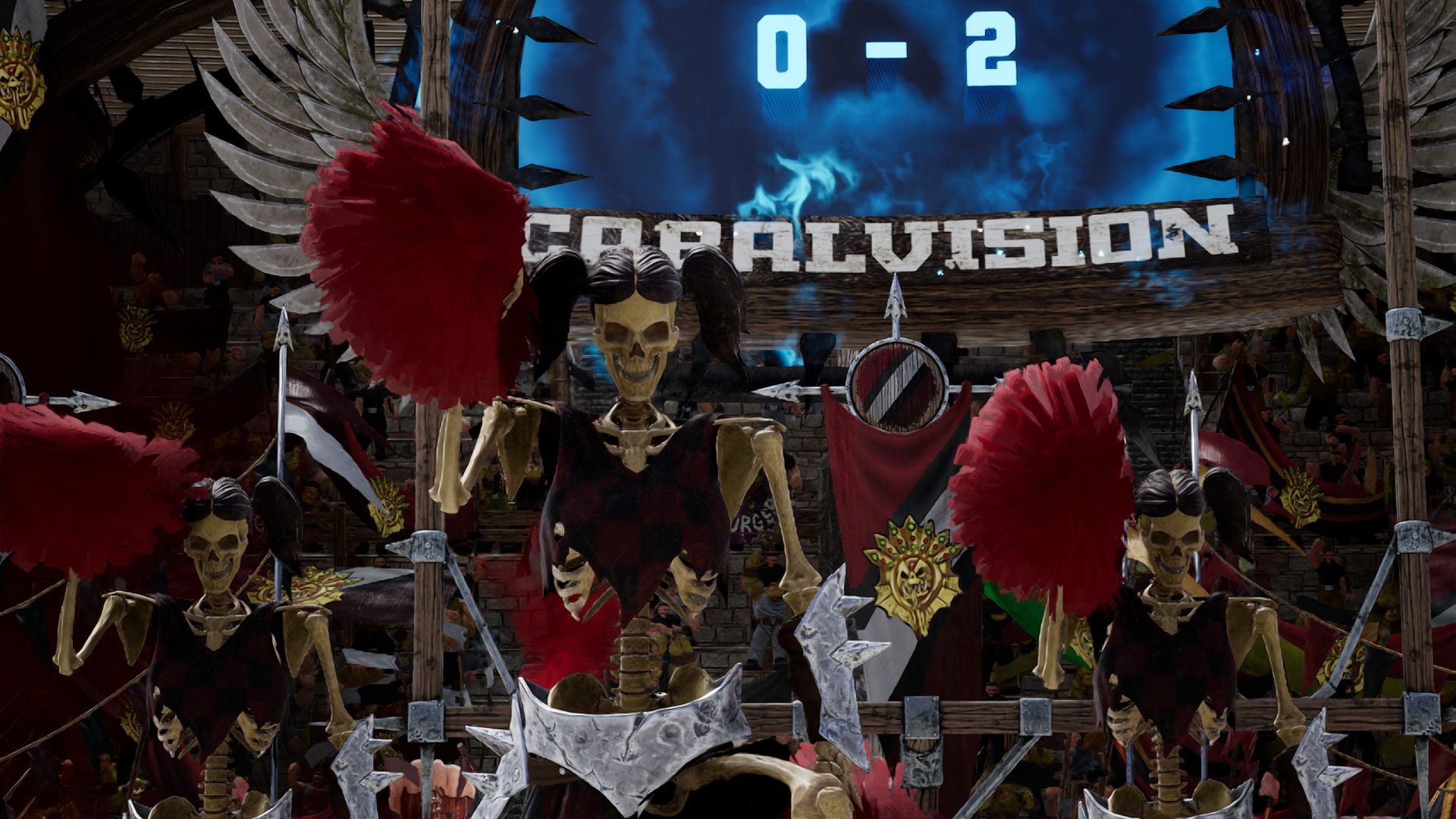
Image: Skeleton cheerleaders wave their pom-poms. Credit: PC Gamer.
What the beta actually is
Per columnist Jody Macgregor at PC Gamer, Warhammer: Blood Bowl is not a full generational leap beyond Blood Bowl 3. It is closer to a 3.5 update: the same bones, the same football of skulls, but with a pile of meaningful tweaks that change how matches feel. That framing matters. Anyone expecting a second reinvention like the jump from the old editions to Blood Bowl 3 should temper that expectation. What the beta delivers instead is faster play, updated rules that mirror the tabletop's third season, and a solo experience that looks measurably better.
Macgregor opens with a small but telling example. Being able to save and quit when playing against the AI is a definite improvement in Warhammer: Blood Bowl. Blood Bowl 3 matches did not take a huge amount of time, but there were still nights where he found himself with 40 minutes before bed thinking he could squeeze in one more game, then realizing too late that he absolutely could not. A save slot fixes that failure mode. It sounds minor. In practice it changes how often the game fits into a weeknight, and that theme runs through everything else in the beta.
The public playtest goes live on Steam on October 7, 2026. The full release is scheduled for the end of the year. Macgregor stresses that he is playing a beta, so details are subject to change, and anything that plays out over a whole tournament, like how the new Hatred trait affects balance after players get injured, will take much longer to judge than an hour of hands-on can reveal.
Rumble Mode at a glance
The biggest mechanical addition is Rumble Mode. Based on the tabletop format called Sevens, it is a shrunk-down seven-a-side version of Blood Bowl played on a smaller pitch, inspired by 40K in 40 Minutes and Rugby Sevens. Each half has six turns instead of eight, and rerolls cost twice as much, making failure much more common. Because a failed action results in a turnover in Blood Bowl, that speeds up play as well. The result is a mode designed for quicker, choppier matches that still carry faction flavor.
Rumble Mode is not exactly the same as Sevens. Macgregor notes it does not include the Desperate Measures inducements, and you do not have to make one of your linemen a veteran, meaning the slower build that can reroll a few specific actions is not forced on you either. Battle lines still lack a traditional line of scrimmage. Instead of placing three players on the frontline where they will be biffing or being biffed from the first turn, both teams face a no man's land. That means fragile teams are not potentially down three players on turn one, which would be even more disastrous with only seven on the pitch.
The tactical consequences cut both ways, and Macgregor is clear-eyed about both sides. The smaller pitch makes slow players less of a liability, which opens roster choices that used to be pure anchor weight. The higher reroll cost makes skills that let you reroll, like Dodge, even better, because a successful reroll matters more when the reroll itself could have bought failure insurance twice over. His beloved Halfling team finally has a place to thrive, especially since the Halfling Master Chef can steal precious rerolls from opponents. In a format where rerolls cost double, stealing them is worth far more than it used to be.
| Rumble Mode element | Standing "Per columnist" |
|---|---|
| Format | Seven-a-side on a smaller pitch, based on tabletop Sevens |
| Half length | Six turns per half instead of eight |
| Reroll cost | Twice as expensive, so failures and turnovers rise |
| Inspirations | Rugby Sevens and the 40K in 40 Minutes format |
| Differences from Sevens | No Desperate Measures inducements, no forced veteran lineman |
| Deployment | No line of scrimmage, with a no man's land between the teams |
| Availability | Campaign, Eternal League, competitions, friendlies, and elsewhere |
The campaign carryover
Macgregor likes that Rumble Mode is easy to learn in practice, not just on paper. The first campaign chapter, carried over from Blood Bowl 3, now defaults to Rumble Mode. The three beginner games played as the default Ussingen Rookies have become seven-a-side, which changes the learning curve in a specific way: the second match against Chaos Chosen feels a bit more challenging, because getting the assists needed on Strength 4 Chosen is trickier in the tight format. Fewer bodies means every missed support channel shows.
From there you can opt to play the rest of the campaign in either Rumble Mode or traditional matches. Rumble Mode is also bolted into Eternal League, competitions, friendlies, and basically everywhere else a mode can live. That ubiquity is a statement of intent. The developers are not treating it as a novelty side mode. Whether it ends up popular is another question, and Macgregor says it will be interesting to watch. Fast modes have a way of winning over casual nights and losing to the dedicated drive of full fantasy football, and time will sort that out.
The AI question
The other practical upgrade is the AI. Macgregor admits he does not know whether he is hallucinating, but the AI seems better at handling the reduced scope of smaller matches. Improving the infamously dopey AI was an stated aim of Warhammer: Blood Bowl, and with only a few days on the beta it does seem a little better. It still throws the occasional ill-advised block; the skink who took on a mummy must have been feeling real lucky that day. But at least it picks the best block die when it has a choice, and Macgregor even saw it attempt a pass instead of defaulting to a passive cage around the ball carrier no matter which team it was on.
Important context from the column: the previous entry had plenty of solo play. Between 70 and 80 percent of Blood Bowl 3 games were solo, so the AI is not a side system. It is the table opponent for most matches. A marginal improvement there is worth more than it sounds, and Macgregor's first impression is that the AI is slightly less bad, even if it sometimes attempts a risky play before doing something safe like standing up a prone player. He concedes he is guilty of that same sequence in the heat of the moment. That is the fairest bar a beta improvement can be judged against: the machine now errs in ways that feel human, where before it erred in ways that felt random.
| AI signal | Standing "Per columnist" |
|---|---|
| Block die choice | Now picks the best block die when a choice exists |
| Passing behavior | Observed attempting a pass rather than defaulting to a cage |
| Remaining flaws | Occasional ill-advised block, skink vs mummy anecdote |
| Safe-play blind spot | Sometimes risks a play before standing up a prone player |
| Verdict after a few days | Slightly less bad, better at the reduced Rumble scope |
Third season rules changes
As well as Rumble Mode, Warhammer: Blood Bowl incorporates the tabletop game's third season rules update. Macgregor is a big fan of the way it punishes stalling. Bored audience members throw rocks at players who could score but elect not to, and you earn a bonus of 10 grand at the end of a match if you do not stall. That single lever pushes matches toward scoring attempts, which is where Blood Bowl is at its most dramatic anyway.
New mechanics slot around that philosophy. The new Secure the Ball action lets you pick up the ball on a 2+ if you sacrifice the rest of that player's activation to do it. It rewards decisive dive-on-the-ball moments instead of treating every activation as a full movement plan. The passing rules have been updated to get rid of Wildly Inaccurate results as well as deflections. Both changes encourage actually playing the ball instead of lining up two teams and hitting each other until the bell rings. That is a meaningful push against the pure blockfest the videogame could slide into.
MVP selection has been retuned too. Instead of a completely random player on your team earning bonus Star Player Points, only the six players you nominate, four in Rumble Mode, can potentially earn MVP. That means you are not punished for having spares on the bench by having them soak up Star Player Points you would rather see go to someone more useful. Depth stops being a subtle tax on your postgame rewards. Some changes, like the Hatred trait players gain after being injured, affect balance or play out over a tournament, and those need more time to assess. Still, Macgregor's read is positive about the rules update so far.
Quality of life wins
Other positives in Warhammer: Blood Bowl are about the software around the football. The landing page has tiles that can be personalized, so you can leap right into whichever mode or ongoing competition you have put a pin in. The player advancement screen highlights which three skills other players tend to buy in this situation, with percentages for each. If everyone else is picking Guard for their mummies, well, yeah, pretty much. It saves the alt-tab out to the internet for a new team. None of these change the pitch. All of them change how quickly you get back onto it.
That pattern, faster entry and richer guidance, is what ties the small update frame to the upgrade verdict. A sequel that adds a new sport would be easy to judge. A 3.5-style revision succeeds or fails on whether the last mile of daily play gets smoother, and per the columnist it does.
What the beta leaves out
The beta does not include either of the new teams coming to Warhammer: Blood Bowl, so Macgregor has not had a chance to try the Tomb Kings or the Bretonnians. It also does not have the shop or a season pass, so how those systems get implemented, and whether there will be changes to how teams are monetized, remains to be seen. Fair warning for anyone projecting a verdict: until the shop exists, the economy of the game is unreadable.
On timing, the playtest version of Warhammer: Blood Bowl will be available to the public from October 7 on Steam, and the full release is scheduled by the end of the year. If you bounced off Blood Bowl 3 over a specific friction point, the save-and-quit support, the AI step-up, and the anti-stalling tabletop rules are the three patches worth re-testing first.
FAQ
Is Warhammer: Blood Bowl a full sequel to Blood Bowl 3?
Per columnist Jody Macgregor, it is better understood as Blood Bowl 3.5 rather than a whole new game. The core game remains, but the beta layers on Rumble Mode, third season rules, AI improvements, and quality of life updates.
What is Rumble Mode?
Per the columnist, a seven-a-side, smaller-pitch format based on the tabletop Sevens rules, with six turns per half and rerolls that cost twice as much. It is designed to produce faster matches.
How is Rumble Mode different from official Sevens?
Per PC Gamer, it skips the Desperate Measures inducements and does not force you to field a veteran lineman. Otherwise it plays like a quicker, more volatile Blood Bowl.
Which third season tabletop rules appear in the beta?
Per the columnist, anti-stalling penalties with tossed rocks, a 10 grand bonus for not stalling, the new Secure the Ball action, revised passing rules without Wildly Inaccurate or deflections, a capped MVP nomination system, and traits like Hatred after injury.
Did the AI get better?
Per the columnist, slightly. It handles the smaller Rumble matches better, picks the best block die when it can, and has been seen attempting passes. It still makes odd choices sometimes, including the infamous skink-on-mummy block.
When can people play the new Blood Bowl?
Per PC Gamer, the public playtest opens October 7, 2026 on Steam, with the full release targeted for the end of the year. The beta lacks the shop, season pass, and the two announced new teams.
Bottom Line
Per columnist Jody Macgregor, Warhammer: Blood Bowl reads as Blood Bowl 3.5, not a reinvention, and it is still the right direction: faster Rumble matches, tabletop rules that push players to actually score, a measurably less dopey AI, save-and-quit against the computer, and smarter onboarding screens. The missing pieces, namely Tomb Kings and Bretonnians on the roster side and the shop and season pass on the economy side, mean some judgments have to wait for the playtest. Based on what the beta shows, this looks like a definite upgrade for anyone already living in Chaos's little football league.