
Minecraft Dungeons II Best Starter Builds: 4 Builds for Solo and Co-op [2026]
Tuesday, September 29, 2026By Indie Kings | September 29, 2026
Updated September 29, 2026: Here are 4 suggested starter archetypes for solo and co-op play in Minecraft Dungeons II, built around the expanded 12 slot combat system and 4 piece armor setup. Treat them as day 1 starting points for learning roles and habits, not as tested meta or official builds.
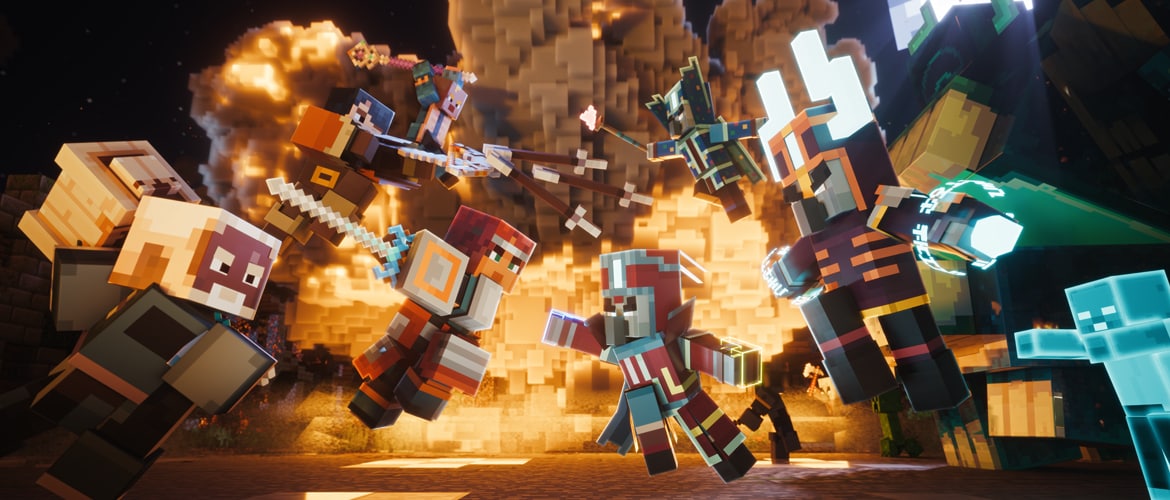
Image: Minecraft Dungeons II launch art. Credit: Mojang Studios via minecraft.net.
Launch Context
Minecraft Dungeons II launched on September 29, 2026, per Mojang and Xbox Game Studios announcements. The game was developed by Mojang plus Double Eleven and published by Xbox Game Studios.
The game supports up to 4 players in solo or co op play, per Mojang. That 4 player ceiling matters because every starter build in this guide assumes either a solo run or a small group with clear roles.
Launch platforms include Windows, Steam, Xbox Series X and S, PS5, Switch, and Switch 2, per Mojang. The game is also available on Game Pass on day one, per Xbox Game Studios.
This is a day 1 starter guide, not a meta report. There are no official build names, no official damage numbers, and no official tier list for Minecraft Dungeons II. The 4 builds below are our suggested starter archetypes based on verified systems, framed as opinion for launch day.
Why publish starter builds on day 1 if nothing is tested yet. Because new players still need a plan for filling slots, picking armor pieces, and learning movement. A simple starter plan beats random gear assignment while the community learns the game.
Expect this advice to change as players test enchanting paths, item effects, and quest rewards. Use these builds to learn the controls and the two main regions, then adjust once real data appears.
Systems That Shape Builds
The gear system changed in important ways from the first game, per the minecraft.net gameplay systems coverage dated August 31, 2026. Combat slots expanded from 6 to 12, which gives each player far more room for weapons, tools, and support options.
Armor is now split into 4 pieces made up of helmet, chestplate, leggings, and boots, per minecraft.net. That split lets you mix defense and mobility instead of accepting one fixed armor bonus.
New talismans give passive bonuses, per minecraft.net. For beginners, think of talismans as background help that supports your role without adding another button to press.
Random item effects add variety to drops, per minecraft.net. Two weapons from the same family can feel different because of the extra effect attached to each one.
Projectile ammo now uses unlimited recharging ammo, per minecraft.net. That change removes ammo pickup pressure and makes ranged cover fire more consistent for new groups.
Movement now includes jump plus dodge roll, per minecraft.net. Learning when to jump a hazard and when to roll through pressure is a core skill in both regions.
Enchanting is improved in the sequel, per minecraft.net. New players should treat enchanting as a way to sharpen a role, not as a reason to chase perfect numbers on day 1.
Quests are split into main plus side quests across the Sift and the Overworld, per minecraft.net. Side quests matter for starters because they teach mechanics in lower pressure fights.
The Sift is a separate region reached through the Deep Dark portal and rift staff, per the Minecraft Wiki Sift page. Expect sifter mobs, singers, echo golems, and sculk hazards in that region, per the Minecraft Wiki.
These systems shape all 4 starter builds below. Slot count decides role breadth, armor pieces decide defense balance, talismans decide passive support, and movement decides survival.
Starter Builds Overview
The next four sections are our suggested starter archetypes. None of them are official builds. None of them have benchmarked damage values. Each one is a simple role that a new player can understand in one run.
Read the overview table after these sections for a quick comparison. Then read the solo versus co op table before locking in your plan. Small habit changes matter more than gear swaps in the first days.
Build 1: Sturdy Melee Solo
Who it suits. This build suits solo players who like to stay close, hold ground, and learn enemy patterns first hand. It also suits players who are still learning dodge roll timing and want room for error while they practice.
Core slots to fill. Prioritize a melee weapon slot plus defensive armor pieces, with helmet plus chestplate defense as the first filter when comparing drops. Keep one ranged slot for pulling single targets, then use remaining combat slots for control tools and a panic option. Add a talisman with a defensive or sustain flavored passive bonus once you find one that fits a front line role.
Movement habits. Practice short dodge rolls out of heavy attacks instead of rolling far from the fight. Use jump to clear sculk hazards and ground effects rather than walking around them late. Stay near cover so you can break contact when several mobs converge.
What to avoid. Avoid stacking only offense while ignoring helmet and chestplate defense on day 1. Avoid standing still during singer or golem wind ups because those attacks punish static melee play. Avoid skipping enchanting completely, but also avoid rerolling constantly in search of perfect results that are not documented yet.
Effectiveness note. This archetype may feel steady and forgiving for solo learners [NEEDS VERIFICATION]. That claim is our opinion based on the armor split and dodge systems, not a tested result.
Build 2: Recharge Ranged Support
Who it suits. This build suits players who prefer to hold lanes, thin packs at range, and support melee friends. It also suits co op players who want a clear job without complex melee timing.
Core slots to fill. Prioritize ranged weapon slots to take advantage of unlimited recharging projectile ammo, per minecraft.net. Keep one melee slot for close defense when flanked. Use leggings and boots with mobility friendly properties to keep distance, and add talismans that support team play or sustain where available. Fill control slots with tools that slow, group, or distract enemies so allies can reset.
Ammo changes who holds lanes. Because ammo recharges instead of running out, a ranged player can stay on lane duty longer without scavenging, per minecraft.net. That lets the group assign one player to watch a spawn side while others push. It also means new players can practice aim without fear of going dry at a bad moment.
What to avoid. Avoid camping one spot with no escape path, since sifter mobs and echo golems can close distance fast [NEEDS VERIFICATION]. Avoid ignoring the melee backup slot because pure ranged loadouts struggle when flanked. Avoid wasting control tools early in easy packs instead of saving them for singers and dense pulls.
Effectiveness note. This archetype may help groups control space more cleanly during early quests [NEEDS VERIFICATION]. That is our launch day read on the ammo system, not a measured outcome.
Build 3: Talisman Helper For Co Op
Who it suits. This build suits co op players who enjoy keeping the team alive and organized. It also suits a second or third player in a 4 player group who does not want to compete for the same melee drops.
Core slots to fill. Prioritize talisman slots with passive bonuses that fit support play, per minecraft.net. Keep a simple melee plus ranged pair so you can still contribute damage while moving toward allies. Use chestplate and boots that balance protection with the speed needed to reach downed friends. Fill remaining combat slots with control and relief tools rather than extra damage options.
Revive priority. In co op groups up to 4 players, per Mojang, revives can decide a mission. The helper should watch ally health and positioning more than the kill feed. Move early toward a struggling ally instead of finishing a low priority target. Call out retreats so the group resets together rather than wiping one by one.
What to avoid. Avoid picking talismans at random without checking whether the passive bonus fits support play. Avoid wandering far from the group to chase drops while allies are under pressure. Avoid treating support as passive standing in the back, since sculk hazards and flanks still demand movement and dodge rolls.
Effectiveness note. This archetype may reduce team wipes in early co op sessions [NEEDS VERIFICATION]. That is our opinion based on the passive bonus and revive logic, not a tested team composition result.
Build 4: Sift Scout
Who it suits. This build suits players who like speed, scouting, and learning the Sift region early. It also suits solo players who want to practice jump and dodge roll movement in hazard heavy zones.
Core slots to fill. Prioritize mobility friendly leggings and boots first, then a fast handling melee plus ranged pair. Use talismans with movement or awareness flavored passive bonuses where available. Keep control slots light so you can enter, observe, and leave without getting pinned down.
Mobility plus jump. Jump plus dodge roll are both part of the sequel movement kit, per minecraft.net. Scouts should use jump for sculk hazards and vertical reads, and save dodge roll for direct enemy lunges. In the Sift, reached via the Deep Dark portal and rift staff per the Minecraft Wiki, that split matters because hazards and mobs often appear together.
Sculk caution. Sculk hazards punish careless routing, per the Minecraft Wiki description of Sift threats including sculk hazards, sifter mobs, singers, and echo golems. Move with a path out, check floors before committing to a fight, and avoid backing into hazard zones while kiting. New scouts should clear side areas slowly rather than sprinting through unknown rooms.
What to avoid. Avoid treating speed as safety and skipping helmet and chestplate checks entirely. Avoid engaging echo golems head on without room to roll, since large mobs punish light builds [NEEDS VERIFICATION]. Avoid using the same aggressive route in the Overworld and the Sift, because hazard layouts and mob mixes differ by region.
Effectiveness note. This archetype may help new players learn Sift layouts faster with fewer hazard deaths [NEEDS VERIFICATION]. That is our launch day opinion, not a measured survival rate.
Builds At A Glance
Use this table to match a build to your habits. Each entry lists who the build suits and the hardest habit to learn. No damage values are listed because no official damage numbers exist.
| Build | Suits | Hardest Habit |
|---|---|---|
| Sturdy Melee Solo | Solo learners who like close range and steady pacing | Short dodge rolls and helmet plus chestplate checks |
| Recharge Ranged Support | Lane holders and co op helpers who like ranged control | Saving control tools for dense pulls |
| Talisman Helper For Co Op | Team first players in 3 to 4 player groups | Moving early for revives instead of chasing kills |
| Sift Scout | Mobile players learning Sift hazards and routing | Jump for hazards and roll for lunges without mixing them |
Pick one build for your first three to five missions. Switching too often prevents you from learning slot rhythm and armor feel. Once movement feels natural, try a second archetype to cover group needs.
Groups of friends should avoid doubling every role on day 1. One melee leaning player plus one ranged leaning player plus one helper covers most early co op needs [NEEDS VERIFICATION]. The fourth player can scout or double the role the group enjoys most.
Solo Vs Co Op Adjustments
Solo and co op ask for different habits even when the gear looks similar. Solo play rewards self sufficiency and careful pulls. Co op play rewards role clarity and revive awareness.
| Area | Solo Adjustment | Co Op Adjustment |
|---|---|---|
| Armor focus | Lean helmet plus chestplate defense until rolls feel reliable | Spread defense so helper and ranged players can still reach revives |
| Slot use | Keep one panic tool free for bad pulls | Assign lane, front line, and revive jobs before the mission |
| Ranged play | Use ranged shots to split packs before contact | Hold one lane while melee pushes with helper nearby |
| Talismans | Favor sustain flavored passive bonuses for longer fights | Favor team friendly passive bonuses where available |
| Movement | Retreat early since no ally can revive you | Roll toward allies when pressured, not away from the group |
| Quests | Clear side quests to learn mechanics at lower pressure | Rotate who leads so every player learns routing |
Solo players should play slower than they think they need to on day 1. Pull one group at a time, use ranged shots to test reactions, and keep an exit open. Dying with no revive available wastes more time than a careful pull ever will.
Co op players should talk about roles before each mission, even in a casual group. State who holds lanes, who stays close to the helper, and who scouts ahead. Short callouts beat silent hero plays in 4 player missions [NEEDS VERIFICATION].
Cross play groups on Windows, Steam, Xbox Series X and S, PS5, Switch, and Switch 2 should confirm performance and controls before judging a build, per the multiplatform launch lineup from Mojang. A build that feels smooth on one platform may need control tweaks on another. That variance is normal at launch.
Mistakes To Avoid
Chasing meta numbers on day 1 is the most common trap. No official tier list exists, and no official damage numbers have been published. Any chart that claims exact rankings on launch day is opinion or guesswork, not verified testing.
Players who chase those charts often reroll enchanting results too often, scrap useful armor pieces too early, and ignore playstyle fit. A comfortable 12 slot setup with clear roles will beat a copied setup you do not understand. Learn your dodge roll timing first, then optimize.
Ignoring side quests that teach mechanics is the second trap. Main plus side quests across the Sift and Overworld exist to build skills gradually, per minecraft.net. Side quests introduce mob mixes, hazards, and control tools in lower stakes fights.
Skipping that practice leaves players underprepared for singers, echo golems, and sculk hazards later. Those threats, described per the Minecraft Wiki Sift coverage, demand routing and timing that only repetition teaches. Do the side content even if the main quest looks more exciting.
Using one build for both worlds is the third trap. The Overworld and the Sift differ in hazards, sight lines, and mob pressure. A slow melee setup that feels safe in open Overworld lanes can struggle in tight Sift rooms with sculk underfoot [NEEDS VERIFICATION].
Keep two loadout ideas in mind even if you main one archetype. Adjust boots, leggings, and control tools when switching regions. Small swaps for mobility and hazard awareness matter more than finding a single perfect setup.
Other day 1 errors include ignoring jump as a defensive tool, forgetting that ammo recharges so ranged players over rotate, and leaving talisman slots empty. Check all 12 combat slots before each mission, per the expanded slot count reported by minecraft.net. Empty slots are free power left on the table.
FAQ
What are the best starter builds for Minecraft Dungeons II in 2026?
Our suggested day 1 starters are Sturdy Melee Solo, Recharge Ranged Support, Talisman Helper For Co Op, and Sift Scout. They are opinion based archetypes tied to the 12 slot and 4 piece armor systems, not official builds or tested meta.
Is there an official tier list or best build from Mojang?
No. There are no official build names, no official damage numbers, and no official tier list. Any launch day ranking should be read as community opinion [NEEDS VERIFICATION].
How does the 12 slot system change starter planning?
Combat slots expanded from 6 to 12, per minecraft.net, so starters can carry damage plus control plus backup options. New players should assign each slot a job instead of filling slots at random.
How should armor pieces be picked for a starter build?
Armor is split into helmet, chestplate, leggings, and boots, per minecraft.net. Melee learners can filter helmet plus chestplate defense first, while ranged and scout players can weigh leggings and boots mobility more highly.
What is the best starter approach for the Sift region?
Enter through the Deep Dark portal and rift staff setup described per the Minecraft Wiki, and expect sifter mobs, singers, echo golems, and sculk hazards. New players should scout slowly, jump hazards, save dodge rolls for lunges, and run side quests first.
Should solo and co op players use the same build?
No. Solo players should favor self sufficiency and early retreats since no ally can revive them. Co op groups up to 4 players, per Mojang, should assign lanes and revive priority and let the helper stay near the action.
Bottom Line
For solo starters, begin with Sturdy Melee Solo or Sift Scout. Melee teaches spacing and armor reads, while scout teaches jump and dodge roll discipline. Run side quests early to learn mechanics before pushing harder missions.
For co op groups, add Recharge Ranged Support plus Talisman Helper For Co Op to the mix. Clear lane and revive roles before each mission, and rotate the lead so everyone learns routing. That role clarity helps more on day 1 than any unenchanted gear swap [NEEDS VERIFICATION].
For returning fans from the first game, relearn slot breadth and armor splits before judging power. The move from 6 to 12 combat slots plus 4 piece armor changes planning more than any single weapon choice, per minecraft.net. Old habits still help, but loadouts need a fresh pass.
Revisit these picks after the community tests enchanting, item effects, and quest rewards. Day 1 starters are meant to teach roles and movement, not to lock in a season long meta. Adjust once verified numbers appear.
Sources
Gameplay systems details, including the 12 slot expansion, 4 piece armor, talismans, random item effects, recharging ammo, jump plus dodge roll, improved enchanting, and main plus side quests, per minecraft.net gameplay systems coverage from August 31, 2026.
Sift access through the Deep Dark portal and rift staff, plus sifter mobs, singers, echo golems, and sculk hazards, per Minecraft Wiki Sift page.
Launch date, developers Mojang plus Double Eleven, publisher Xbox Game Studios, 4 player solo or co op support, platforms, and Game Pass day one availability, per Mojang and Xbox Game Studios announcements.
Related: How to Enter the Sift in Minecraft Dungeons II: 6 Steps [2026] | How to Play Minecraft Dungeons II Co-op and Crossplay: 7 Steps [2026] | Game Pass vs Steam vs PS5 vs Switch 2 for Minecraft Dungeons II: 6 Differences [2026]