
NBCraft: Minecraft Pocket Edition 0.1.3 Rebuilt for Nine Platforms
By Indie Kings | October 29, 2026
Updated October 29, 2026: nbcraft-org/nbcraft takes a decompilation of Minecraft: Pocket Edition 0.1.3 from 2011 and turns it into a cross-platform game that builds for Windows 95 and later, Android, Linux, WebGL, macOS 10.4, iOS 3.1, Xbox 360, HaikuOS and Nintendo Switch. The repository has 599 stars, 110 forks, 94 open issues and a BSD 1-clause license, was created in July 2023, and last received a push on October 16, 2026.
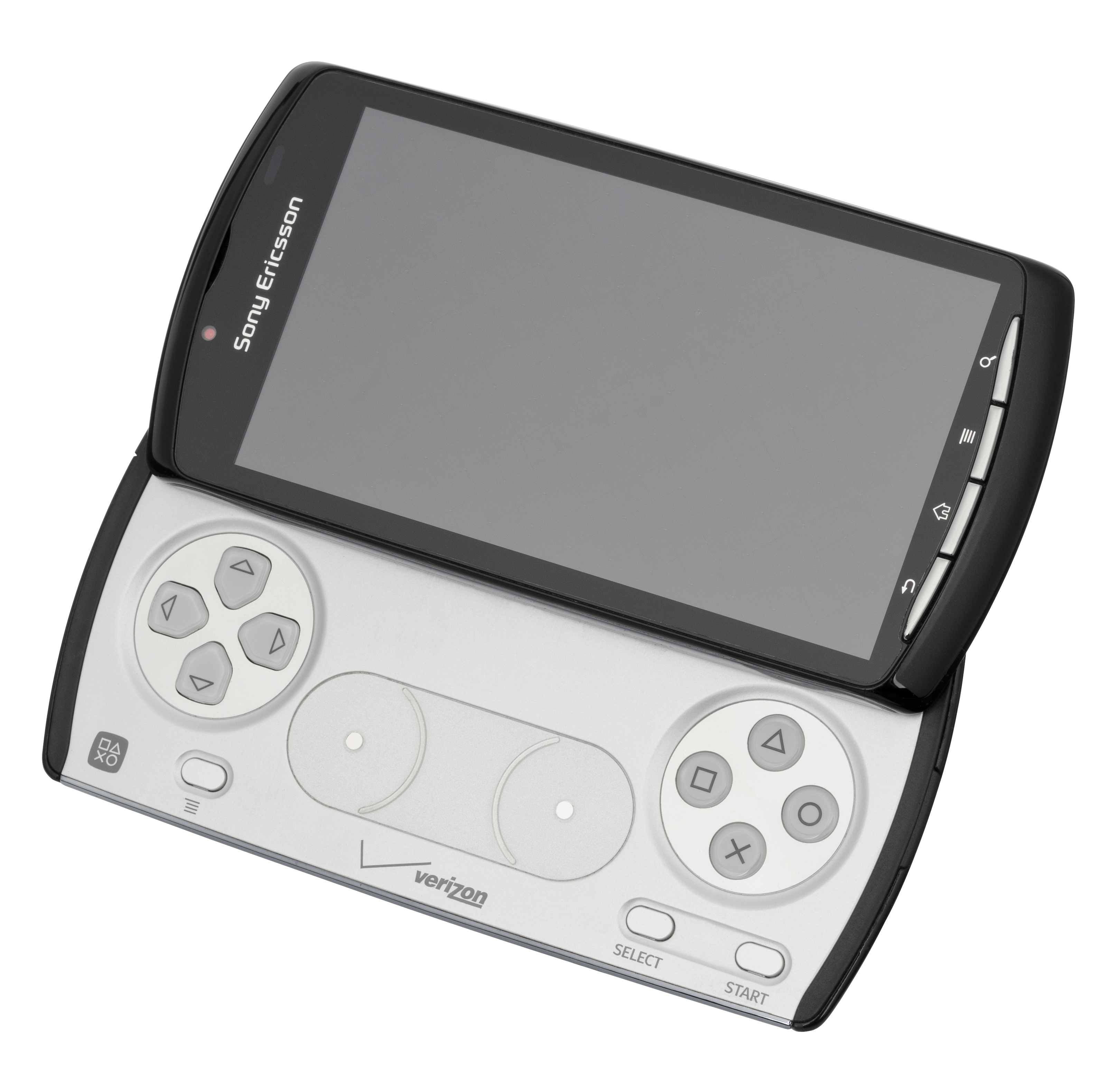
Image: a Sony Ericsson Xperia Play, the kind of phone Pocket Edition shipped on, via Wikimedia Commons.
A 2011 pocket build, preserved
Minecraft: Pocket Edition 0.1.3 was released in 2011 for phones that would struggle to open a modern web page. It was a port of the Java Edition's Beta 1.3 to 1.7.3 era, squeezed onto mobile hardware, and it is the foundation of the Bedrock line that eventually became the mainstream Minecraft. NBCraft starts from a decompilation of that build, performed largely with IDA against Android releases because those builds retained function and class names, and then modifies it into something that runs on hardware the original never imagined.
The result is not an emulator. There is no original binary being interpreted and no compatibility layer wrapping a phone app. The game is compiled from reconstructed C++ source, with the original game's assets supplied separately from a Java Beta 1.7.3 jar. That distinction matters for preservation: an emulator preserves the behavior of a specific binary, while a decompilation preserves the logic in a form that can be read, fixed and rebuilt. NBCraft chooses the second, which is why it can run on a Nintendo Switch and why it can add features the original never had.
The source layout is deliberately kept similar to the original Pocket Edition, reconstructed from clues in early builds including a 0.1.0 touch prototype and debug build. That choice is a quiet statement about intent. A project that only wanted a playable game would organize the code however it liked. A project that wants to be a reference for how the original was structured keeps the original layout even when it is awkward, because the layout is part of the historical record.
Aesthetic switches and a Beta 1.7.3 target
The design target is Java Edition Beta 1.7.3, and the project is explicit that nothing from Beta 1.8 or later will be added. That line rules out sprinting, hunger, villages, the End and most of what players now think of as core Minecraft. What it leaves is the game as it existed in mid 2011: a survival sandbox with a small world, simple combat and a very particular look. The point is not to recreate modern Minecraft on old hardware; it is to preserve a specific version's feel while making it portable.
The aesthetic options go further than most preservation projects. Players can switch to a Legacy Console Edition interface, gamma and mipmaps, or Pocket Edition sky colors, or a Java Edition interface, or normal lighting, which Pocket Edition lacked, or an Alpha title logo. Those are not difficulty settings. They are historical skins, and the ability to toggle them turns the game into a small museum of Minecraft's visual evolution. It is also a neat engineering trick, because each option exercises a different rendering path on the same codebase.
The planned modding API is the most ambitious item on the roadmap. The goal is WebAssembly modules, which would let mods run across every supported platform without recompiling the game for each one. That is a sensible bet for a codebase already ported to nine targets, since the alternative is a native plugin interface per platform. It is also unfinished, and the project presents it as a future goal rather than a current feature. The immediate experience is the base game plus the toggles, not a modding platform.
The name is a small piece of history in itself. NBCraft combines the surnames of Aron Nieminen, Johan Bernhardsson and Tommaso Checchi, three of the original Pocket Edition developers. The README is careful to say they were not the only people working on the game, but it credits them for the foundation. Naming a preservation project after its subjects is a nicer convention than another acronym, and it signals that the maintainers see themselves as custodians rather than authors.
Nine platforms and a 94 issue backlog
The platform list is the headline. Windows 95 and later is credited to iProgramInCpp, Android to Stom, macOS 10.4 and iOS 3.1 to BrentDaMage, Xbox 360 to BrentDaMage as well, HaikuOS to SanyaSho, and Nintendo Switch to Bagietas. Linux is described as working on anything with POSIX.1-2001, C++98, SDL and OpenGL support, and WebGL runs in a browser. An iOS 3.1 target is a remarkable constraint: that is 2010 era software, and building for it requires toolchains and APIs that modern developers never touch.
Supporting nine platforms is expensive in a way that is easy to underestimate. Every platform has its own input model, file system, audio path and graphics quirks, and the project's issue tracker reflects that. Ninety four open issues against 110 forks suggests a lot of people trying builds and reporting what breaks, which is healthy for a project of this kind and also a warning that the experience is uneven. The 14.7 megabyte repository size is modest, because the game assets are not included and must be extracted from a jar the user supplies.
The legal position is clearer than most. The project is not affiliated with Mojang or Microsoft, says so in bold, and is licensed under BSD 1-clause, with RakNet under BSD 2-clause, zlib, coi-serviceworker and stb under their own compatible licenses. The game assets are the user's responsibility, extracted from a jar they own. LAN play with original Pocket Edition clients is planned to be supported for as long as possible, which is a preservation goal rather than a feature: keeping old clients able to talk to new builds keeps a piece of 2011 networking alive.
The explicit refusals are as informative as the goals. No features from Beta 1.8 or later, no change to the default aesthetic, no Herobrine, and no support for Java or Bedrock servers. Those lines define a scope that a community project can actually finish. Without them, NBCraft would drift toward a general Minecraft clone and lose the thing that makes it interesting, which is fidelity to one specific moment in the game's history.
Project card
| Item | Detail |
|---|---|
| Repository | nbcraft-org/nbcraft on GitHub |
| Base | Decompilation of Minecraft: Pocket Edition 0.1.3, 2011 |
| Design target | Java Edition Beta 1.7.3, no later features |
| Platforms | Windows 95+, Android, Linux, WebGL, macOS 10.4+, iOS 3.1+, Xbox 360, HaikuOS, Switch |
| Assets | Extracted by the user from a Java Beta 1.7.3 jar |
| Modding | WebAssembly module API planned |
| License | BSD 1-clause, third party components under their own terms |
| Created | July 30, 2023 |
| Latest push | October 16, 2026 |
| Scale | 599 stars, 110 forks, 94 open issues |
FAQ
What is NBCraft?
A cross-platform rebuild of Minecraft: Pocket Edition 0.1.3 from a decompilation, modified with optional visual styles and new platform support.
Is it an emulator?
No. It is compiled from reconstructed source, not an interpreted copy of the original app.
Does it include Minecraft assets?
No. You extract them yourself from a Java Edition Beta 1.7.3 jar, and any Pocket Edition assets must be extracted separately.
Which platforms work?
Windows 95 and later, Android, Linux, WebGL, macOS 10.4 and later, iOS 3.1 and later, Xbox 360, HaikuOS and Nintendo Switch.
Will it add modern Minecraft features?
No. The project targets Beta 1.7.3 and refuses features from Beta 1.8 onward, including hunger, villages and the End.
Is it affiliated with Mojang?
No. The README states plainly that it is not an official Minecraft product and is not approved by or associated with Mojang or Microsoft.
Bottom Line
NBCraft is preservation with a sense of humor and an unusual amount of engineering discipline. The base is a phone game from 2011, the target is a Java version from the same year, and the output runs on a Nintendo Switch and an iOS 3.1 device. The aesthetic toggles turn it into a small museum, the source layout respects the original, and the refusal list keeps the scope from expanding into a clone. Ninety four open issues and uneven platform support are the cost of that breadth. For anyone who wants to study or play the moment Minecraft went mobile, this is the most complete route available.
Sources
- GitHub nbcraft-org/nbcraft README, goals, platform list, asset steps and licensing, accessed October 29, 2026
- GitHub API metadata for nbcraft-org/nbcraft, stars, forks, issues, size and latest push, accessed October 29, 2026
- Repository contents and README on the master branch, including the BSD 1-clause license file, accessed October 29, 2026
Related: Cubyz: Zig Voxel Sandbox Rebuilt From Java With 3.7k Stars | Filee: A Drag and Drop Converter for 266 Formats With No Uploads